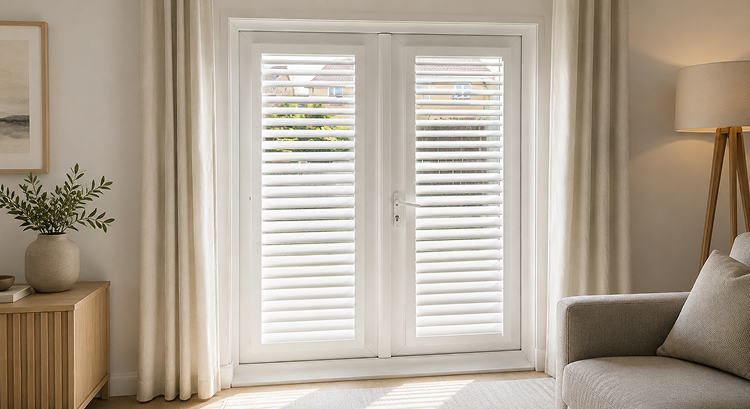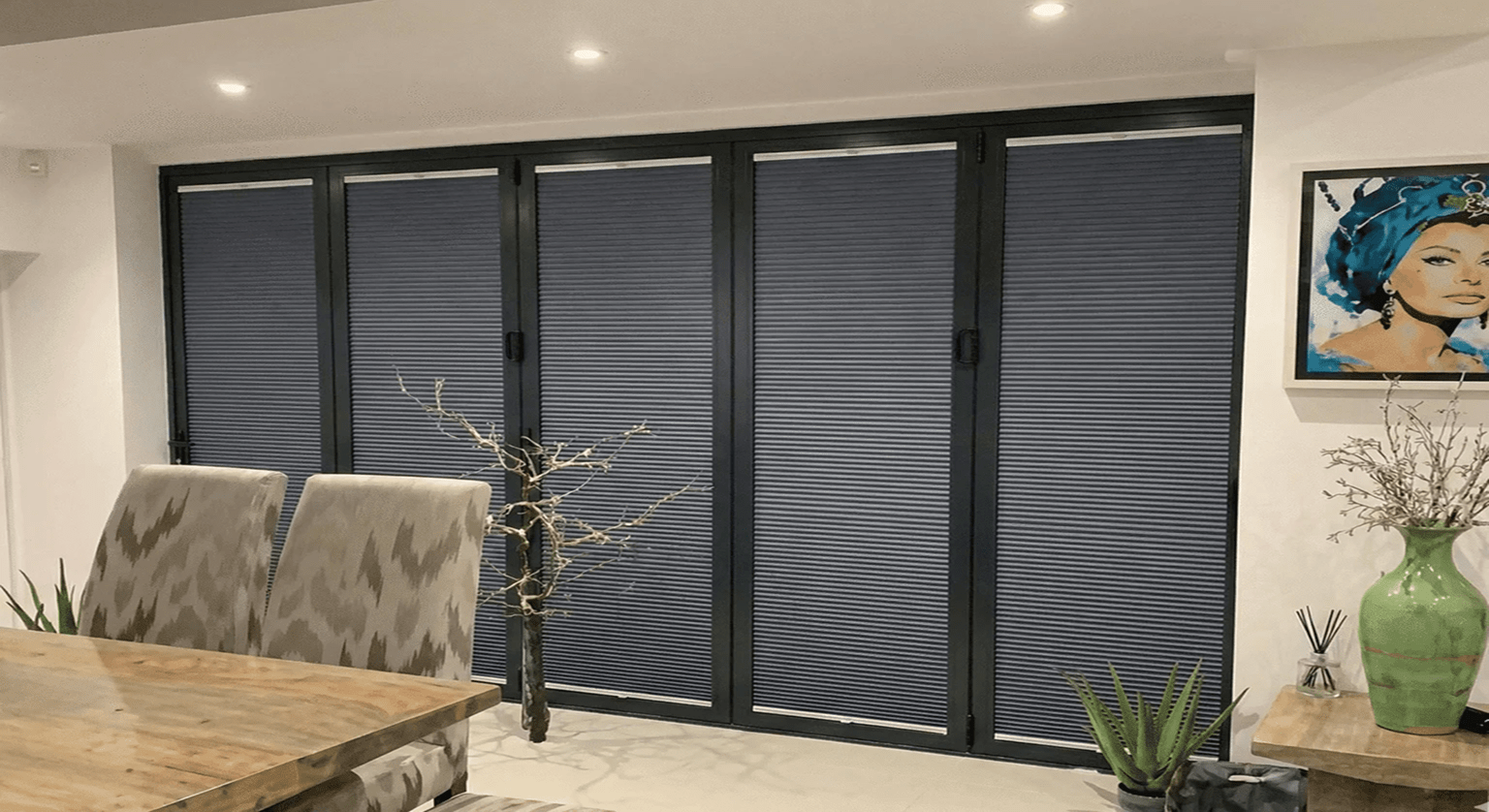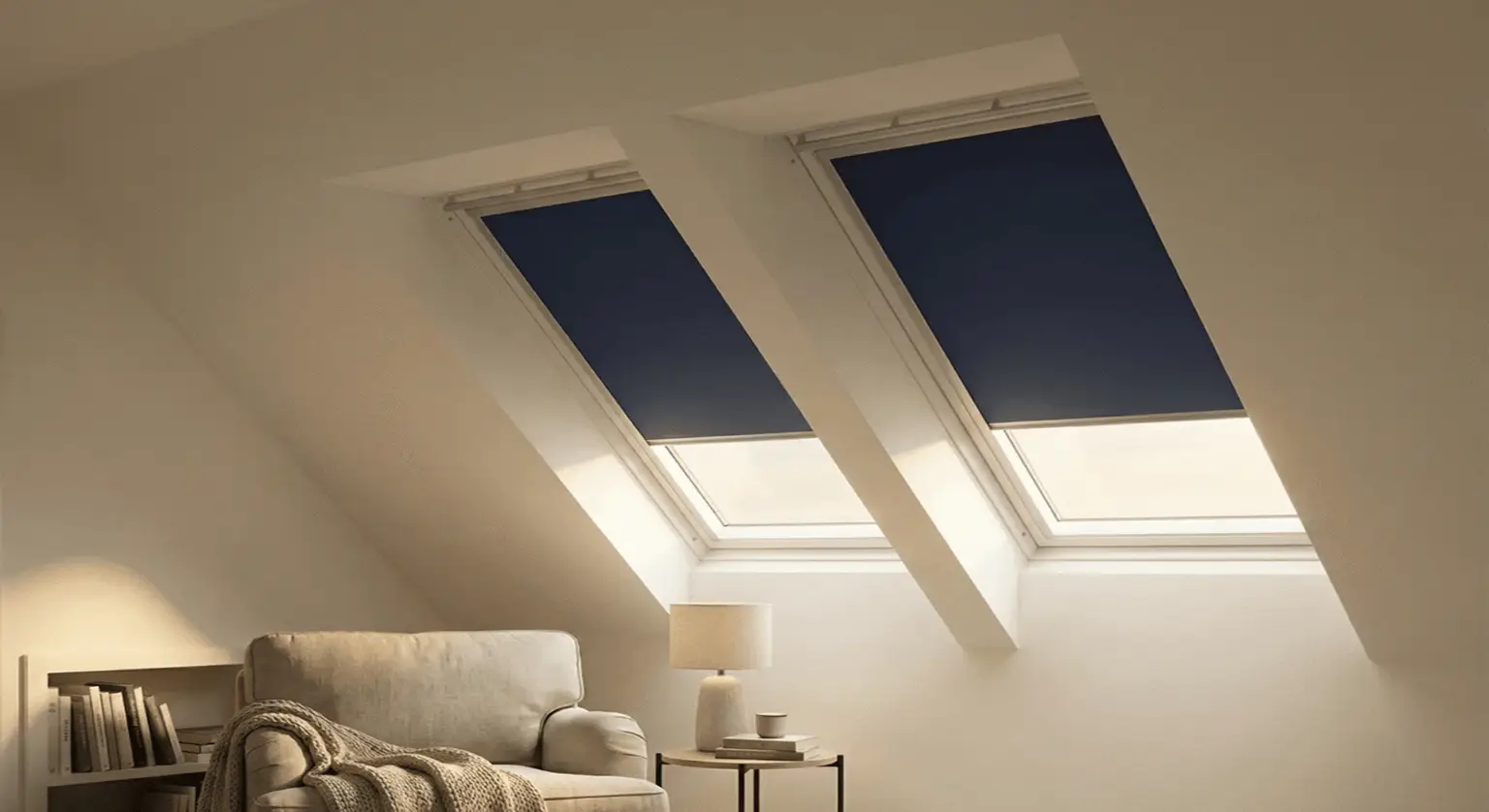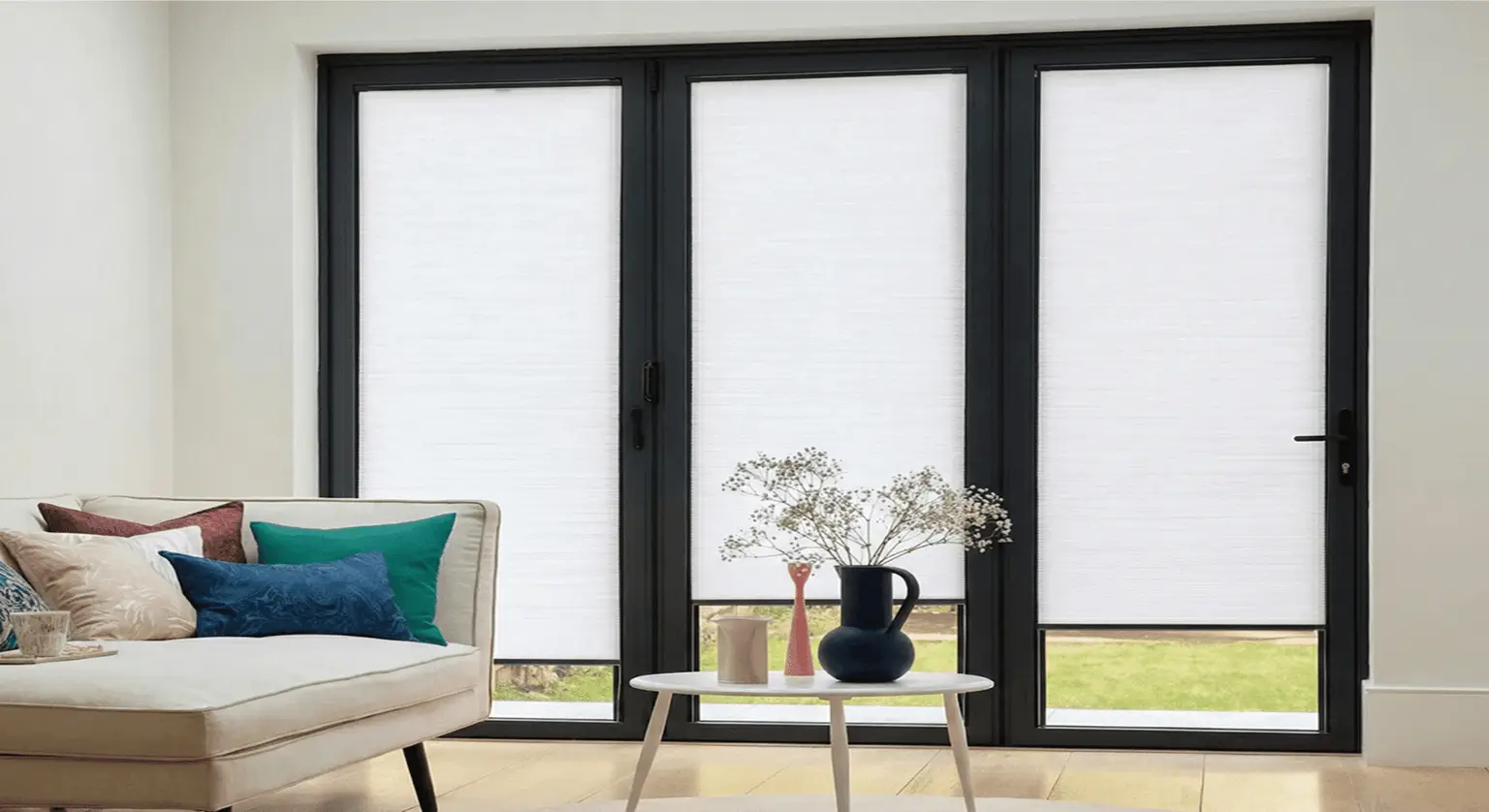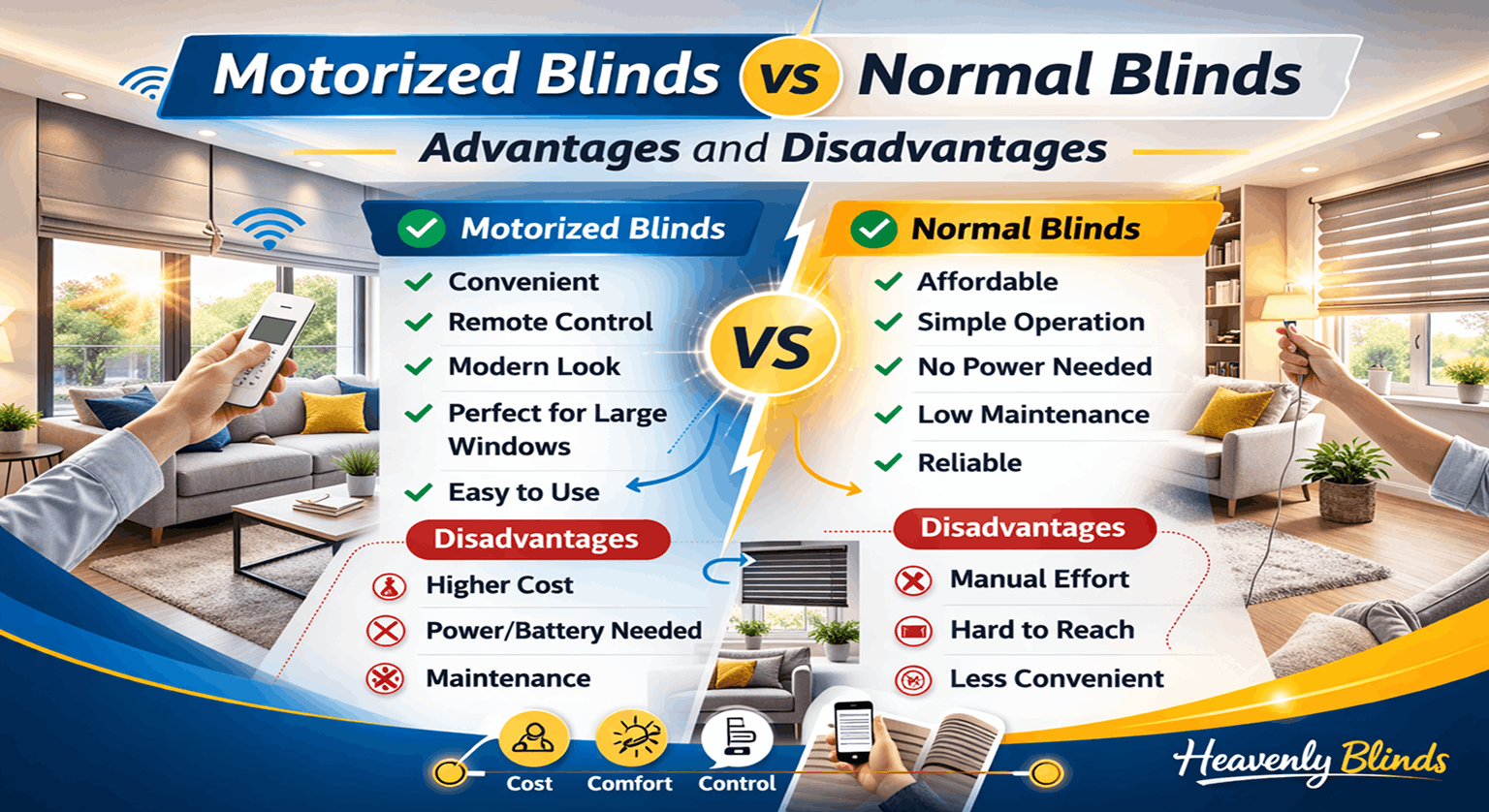
When choosing new blinds, one of the most common questions homeowners ask is whether to go for motorized blinds or stick with normal (manual) blinds. Both options can look great and improve privacy and light control, but they suit different homes, budgets, and day-to-day needs.
The best choice depends on a few key factors, including your budget, how often you adjust your blinds, the type of windows you have, and the level of convenience you want. In this guide, we’ll compare the advantages and disadvantages of both options in a simple, practical way to help you decide what works best for your home.
What Are Motorized Blinds?
Motorized blinds are window blinds operated by a motor rather than by hand. Depending on the system, they can be controlled using a remote, wall switch, or sometimes an app.
They are especially useful in homes where convenience is a priority, and they can be a very practical option for hard-to-reach windows, larger windows, or spaces where multiple blinds are used together.
What Are Normal (Manual) Blinds?
Normal (manual) blinds are operated by hand using a chain, cord, wand, or similar manual mechanism, depending on the blind type.
They are the most common option in many homes and remain a practical, reliable choice for everyday use — especially where windows are easy to reach and simple operation is preferred.
Advantages of Motorized Blinds
Motorized blinds offer several benefits, particularly for comfort, convenience, and modern living.
- Convenience and ease of use
Open and close blinds with minimal effort, which is especially helpful in everyday use. - Ideal for hard-to-reach windows
A great option for high windows, stairwells, skylights, and large window areas where manual operation is less practical. - Cleaner, more modern look
Fewer visible controls can create a more streamlined and contemporary finish. - Better day-to-day comfort
It is easier to adjust light levels throughout the day, which can improve comfort in living rooms, bedrooms, and workspaces. - Useful for multiple blinds in one room
Managing several blinds is quicker and easier, especially in larger rooms with more than one window. - Can support a smart-home lifestyle (where applicable)
Some systems may work with remotes, timers, or app-based controls, depending on the product and setup.
Disadvantages of Motorized Blinds
While motorized blinds offer convenience, there are also a few drawbacks to consider before choosing them.
- Higher upfront cost
Motorized blinds are usually more expensive than manual blinds due to the motor and control system. - Power or battery dependency
Depending on the system, they may require charging, battery replacement, or wiring. - More components to maintain
Motors and electronic parts can add complexity compared to simpler manual systems. - Not always necessary for every room
For standard windows that are easy to reach, manual blinds may be perfectly suitable and more cost-effective. - Installation and setup can be more involved
This can be especially true when installing multiple units or using integrated control systems.
Advantages of Normal (Manual) Blinds
Manual blinds remain a popular choice for good reason. They are practical, reliable, and suitable for many types of homes.
- Lower cost
A more budget-friendly option for many households. - Simple operation
Easy to use without needing remotes, apps, charging, or power connections. - Easy maintenance
Fewer moving and electronic parts generally means less complexity. - Widely suitable for many room types
A practical choice for bedrooms, living rooms, kitchens, and more. - Fewer technical parts
Simpler systems can be easier to maintain over time.
Disadvantages of Normal (Manual) Blinds
Manual blinds are a strong option in many situations, but they may be less practical in certain homes or window layouts.
- Less convenient for frequent adjustment
If you regularly adjust blinds throughout the day, manual operation can feel less convenient. - Harder for high or awkward windows
Some windows are simply not easy to reach comfortably. - Can feel less seamless in premium or smart interiors
In more modern or automated home setups, manual controls may feel less integrated. - Managing multiple blinds can take more time
Opening and closing several blinds one by one can be less efficient in larger rooms.
Which Option Is Best for Your Home?
There is no one-size-fits-all answer. The right option depends on how you use the room, your window layout, and your budget.
Choose Motorized Blinds If…
- Convenience is a priority
- Your windows are hard to reach
- You want a modern or smart-home feel
Your budget allows for a higher upfront cost
Motorized blinds are often a strong choice for larger spaces, feature windows, and homes where ease of use matters most.
Choose Normal (Manual) Blinds If…
- You want a cost-effective solution
- Your windows are easy to access
- You prefer simplicity and low maintenance
You do not need remote or smart controls
Manual blinds are often ideal for everyday use in standard rooms where practicality and value are the main priorities.
Final Thoughts
Neither motorized blinds nor normal blinds are automatically “better” for every home. The best choice depends on your room layout, budget, lifestyle, and how you want your blinds to function day to day.
In many homes, a mixed approach works very well — for example, using motorized blinds in hard-to-reach or high-use areas, and manual blinds in standard rooms where simple operation is enough.
The most important thing is choosing a solution that fits your windows properly and suits the way you live.
Need Help Choosing the Right Option?
Not sure whether motorized or manual blinds are right for your windows? Heavenly Blinds can help you compare the best options during a free home visit and recommend a solution that suits your home and budget.