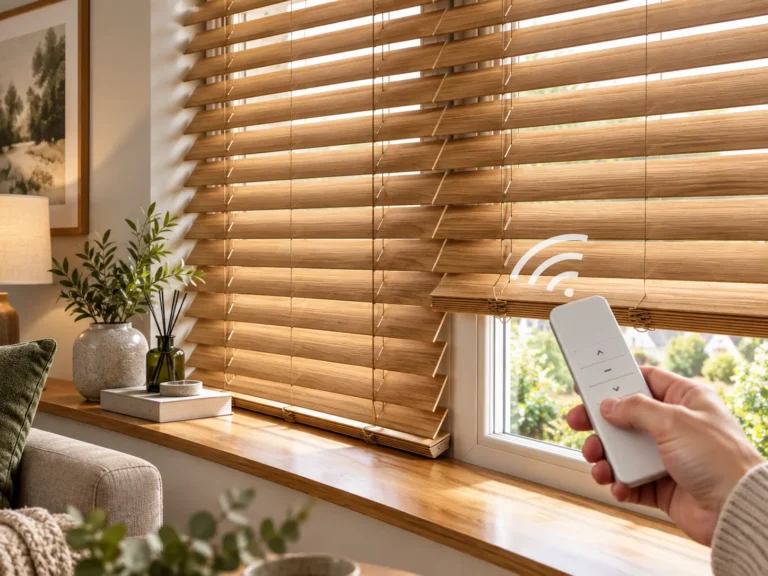
Tilt the Slats
Change the slat angle to admit more daylight, reduce direct views through the window or redirect light within the room.
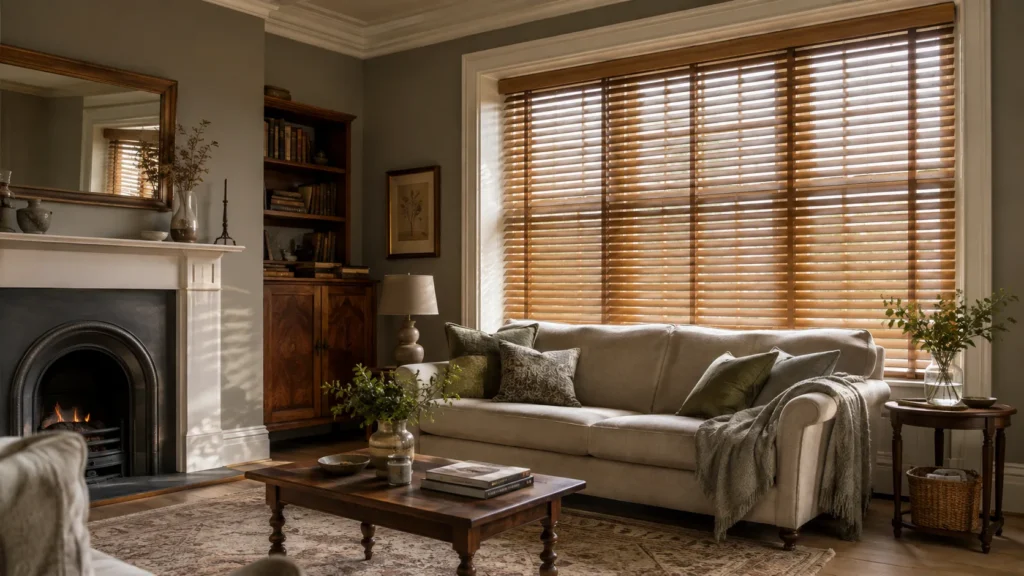
Made-to-Measure Wooden Blinds
Choose Wooden Blinds around the look of your room, the way you use the window and the level of everyday light and privacy control you need.
Tell us about your windows and what you would like from your blinds. We can arrange a home visit to measure and discuss suitable options.
Wooden Blind Basics
Wooden Blinds use horizontal slats that can be tilted to adjust daylight and privacy, then raised when you want more of the window clear.
Depending on the selected range, the slats may be Real Wood or Faux Wood. You may also see them described as wood blinds, wooden slat blinds or wooden Venetian blinds. The material influences appearance, care and room suitability.
Compare Venetian Blinds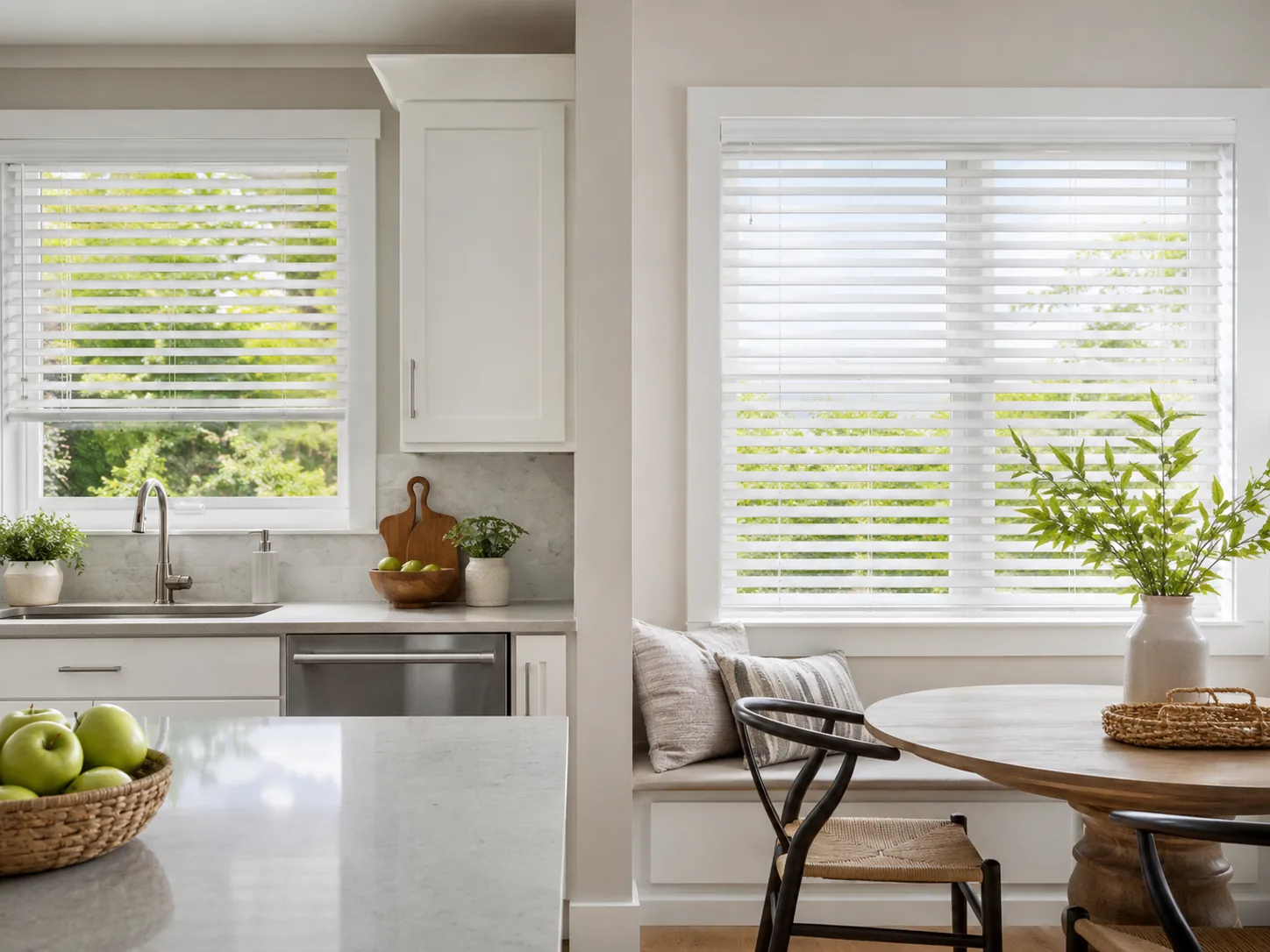
Everyday Operation
Two simple movements give Wooden Blinds their flexibility: changing the angle of the slats and raising or lowering the complete Blind.
Change the slat angle to admit more daylight, reduce direct views through the window or redirect light within the room.
Lift the Blind when you want more glazing clear or easier access to the window.
Lower the Blind to cover the window while keeping the slats available for further adjustment.
Change the position as daylight, glare or privacy needs change rather than relying on one fixed setting.
Practical Benefits
Wooden Blinds combine adjustable horizontal slats with a structured finish that can work comfortably with both traditional and contemporary interiors.
Light
Tilt the slats to change how much natural light enters and how it is directed through the room.
Privacy
Alter the viewing angle when you want more screening without automatically blocking all useful daylight.
Material
Choose between natural material character and practical Faux Wood alternatives according to the room and window.
Fit
The finished Blind can be specified around the actual opening, fitting position and surrounding clearances.
Compare the Materials
The right direction depends on the room, the appearance you prefer and the practical demands the Blind will face.
Real Wood brings natural character and tonal variation to the window. It is generally better considered for drier spaces and should be cared for according to the selected product guidance.
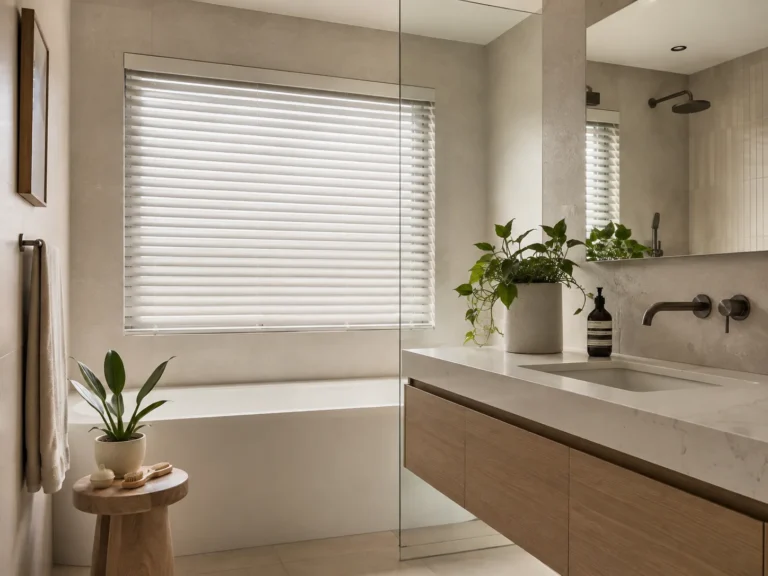
Faux Wood offers a consistent wood-style appearance and can be useful where straightforward care or room conditions carry greater weight, subject to the selected range.
Colour & Finish
The finish can make Wooden Blinds feel understated or more prominent, so it helps to consider the window alongside furniture, flooring, frames and surrounding colours.
Available choices can include lighter and darker wood tones, painted-looking finishes and wood-effect options, depending on the selected range.
Real Wood can introduce natural tonal variation and visible material character.
Lighter tones can keep the window treatment visually softer within pale or neutral interiors.
Deeper tones can create a stronger contrast against lighter walls, frames and furnishings.
Faux Wood can provide a more consistent appearance where practical considerations are equally important.
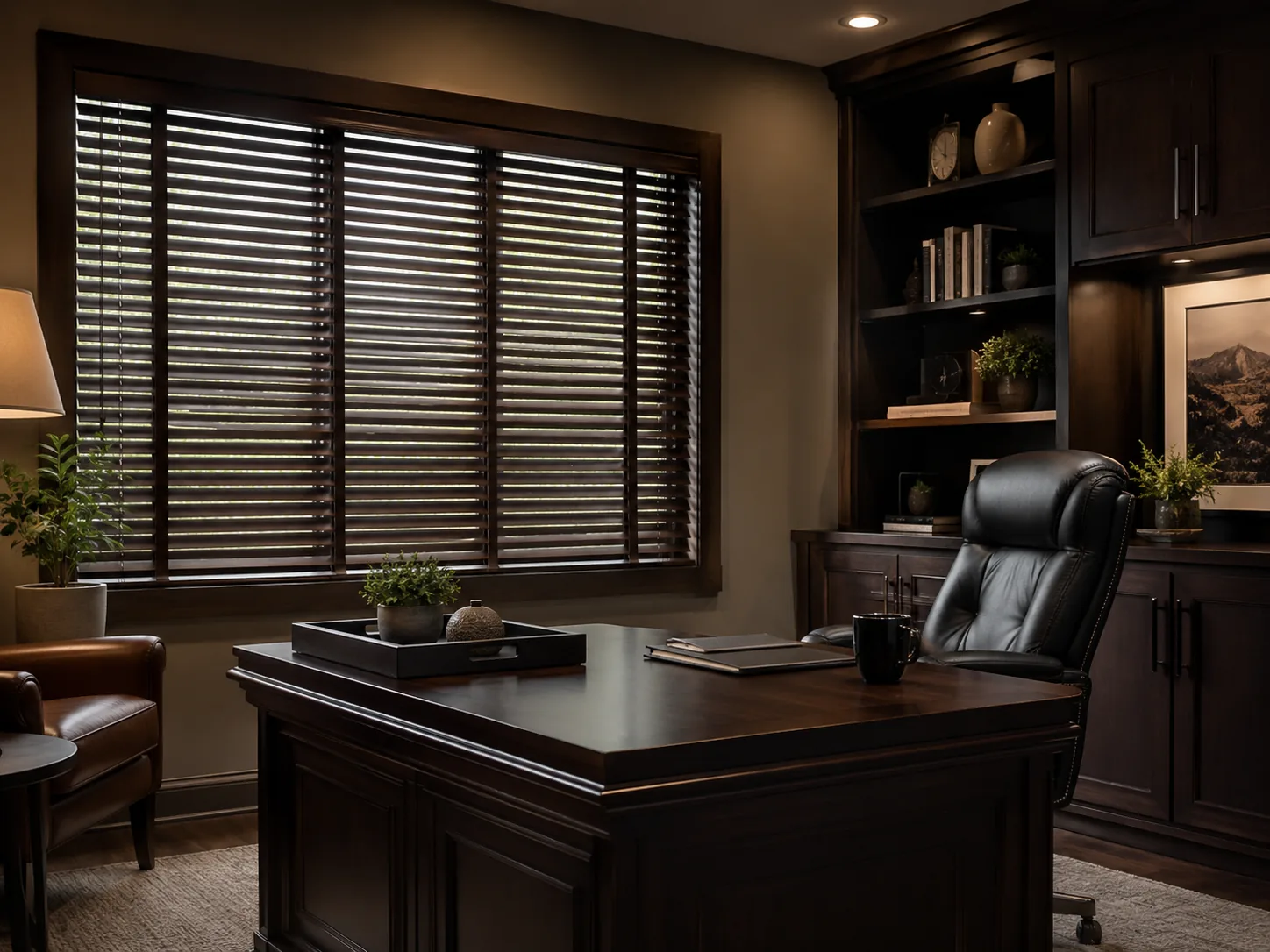
Adjustable Slat Control
The slats can be adjusted throughout the day, helping one Blind respond to different lighting and privacy needs without always being fully raised or closed.
Daylight
Angle the slats to admit useful natural light or reduce more direct sunlight.
Privacy
Change the viewing angle through the window according to the time of day and surrounding conditions.
Glare
Redirect direct light away from televisions, screens or seating areas where glare becomes uncomfortable.
Realistic Light Control
Wooden Blinds can reduce incoming light, but ordinary horizontal slats should not be expected to create complete room darkness.
01 · Slats
Small amounts of light can remain around or between the slats even when they are positioned more closely together.
02 · Edges
Light can also remain around the sides, top or bottom depending on the fitting position and window.
03 · Fit
Accurate measuring can improve coverage, but it does not turn a standard slatted Blind into a sealed blackout system.
04 · Alternative
If strong room darkening is the main requirement, a dedicated Blackout Blind solution may be more appropriate.
Around the Home
Wooden Blinds can work particularly well where adjustable slats and a structured finish matter more than complete darkness or a soft fabric appearance.
Balance daylight, privacy and outward views while giving the window a defined, material-led finish.
A practical option where adjustable privacy matters, provided strong blackout is not the main requirement.
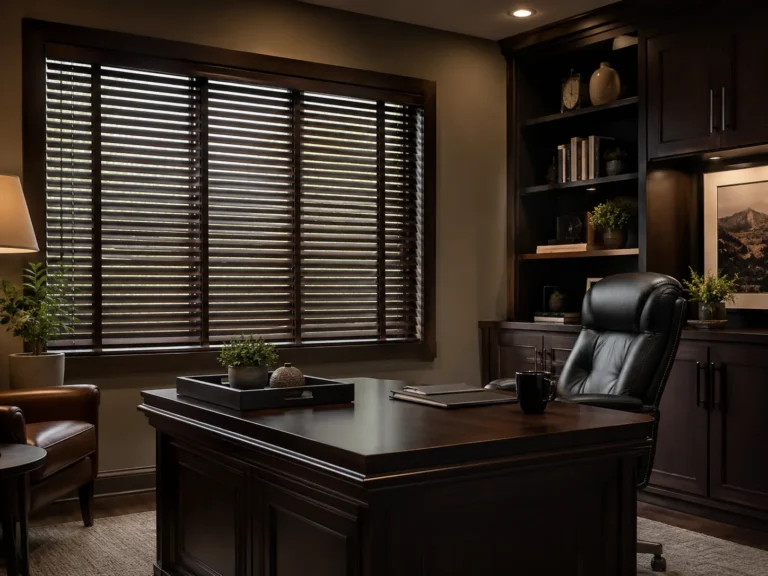
Adjustable slats can help when direct sunlight or screen glare changes during the working day.
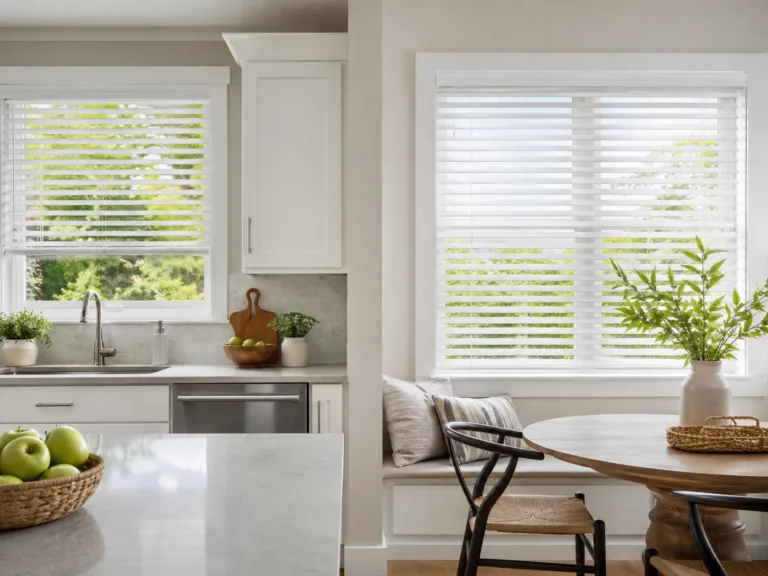
Use the slats to adapt privacy and daylight as the room changes from daytime to evening use.
A versatile choice where the preferred balance of privacy and natural light changes throughout the day.
Room Conditions Matter
Steam, condensation and frequent cleaning can make the material choice more important than appearance alone.
Faux Wood can be worth considering where easy-care surfaces are useful, subject to the selected product and its care guidance.
Do not assume every Real Wood or Faux Wood Blind suits a humid bathroom. The actual material should be checked first.
Windows that regularly collect condensation need more careful material consideration than dry living-room windows.
In moisture-prone rooms, establish which material is suitable before deciding which colour or finish looks best.
Check the Window
A successful fit depends on the complete opening, including available depth, handles and the way the window moves.
There needs to be enough usable space for the headrail, slats and brackets without creating unnecessary obstruction.
Projecting handles, vents and other fittings can influence where the Blind can sit.
Frequently opened or inward-moving windows need enough clearance to remain practical after fitting.
Walls, trim, furniture and nearby features can affect whether an inside or alternative fitting position works better.
Wider Openings
As an opening becomes wider, weight, everyday operation and the number of Blind sections can become more important.
01 · Size
A larger Blind becomes more substantial, so actual window dimensions need to be considered before specification.
02 · Layout
Some wide windows can work better when divided into more than one Blind.
03 · Use
Consider how often the Blind will be raised and who will use it day to day.
04 · Access
Where the opening contains several moving panes, independent access may be more practical than one Blind across everything.
Angles, varying recess depths, adjoining panes, handles and other obstructions can affect where the Blind can sit. Measuring the complete opening helps establish whether it can be fitted and operated practically.
Before You Decide
A few practical checks can prevent appearance from becoming the only factor in the decision.
Think about how frequently the window opens and whether the Blind will need to be raised regularly.
Recess depth, handles and available clear glazing can influence the most practical fitting position.
Moisture, condensation and cleaning requirements can affect whether Real Wood or Faux Wood is the better direction.
If size, weight or access creates a problem, another Blind type may provide a more practical solution.
Everyday Care
Routine care should stay simple and appropriate to the selected material rather than relying on aggressive cleaning methods.
Routine Care
Use a suitable soft cloth or duster to remove surface dust before heavier cleaning becomes necessary.
Wipe Carefully
Where the supplied guidance allows wiping, use an appropriate lightly damp method rather than soaking the material.
Material Specific
Real Wood and Faux Wood should not automatically be treated the same. Follow the care instructions supplied for the actual material and finish.
Narrow the Choice
Start with the practical requirement, then use colour and finish to refine the final choice.
01 · Material
Consider Real Wood when natural character is a central part of the appearance you want.
02 · Practicality
Consider Faux Wood where room conditions and straightforward maintenance carry greater weight.
03 · Window
Check recess depth, width, handles and operating space before deciding which material or configuration makes sense.
04 · Advice
A free home appointment can help you compare suitable options against the actual room and opening.
Compare Other Blind Types
If Wooden Blinds do not match the main requirement, compare other options according to the window, light level, privacy need and way the opening is used.
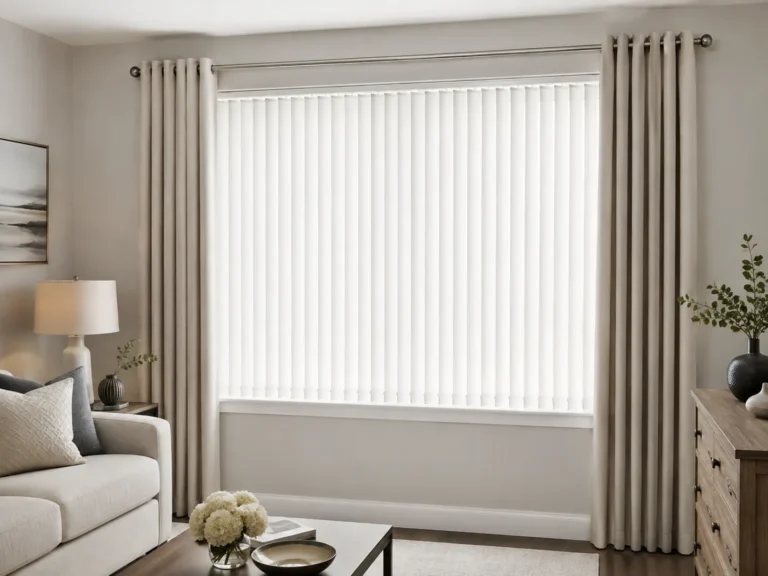
Large Openings
A practical route for larger windows and doors where adjustable louvres and flexible coverage are useful.
Explore Vertical Blinds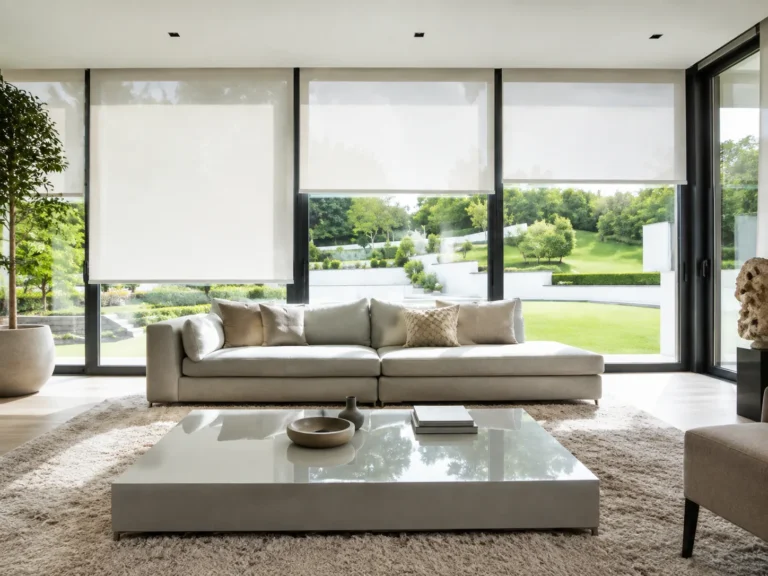
Simple Coverage
A simple fabric option for straightforward window coverage with a broad choice of light-control fabrics.
Explore Roller Blinds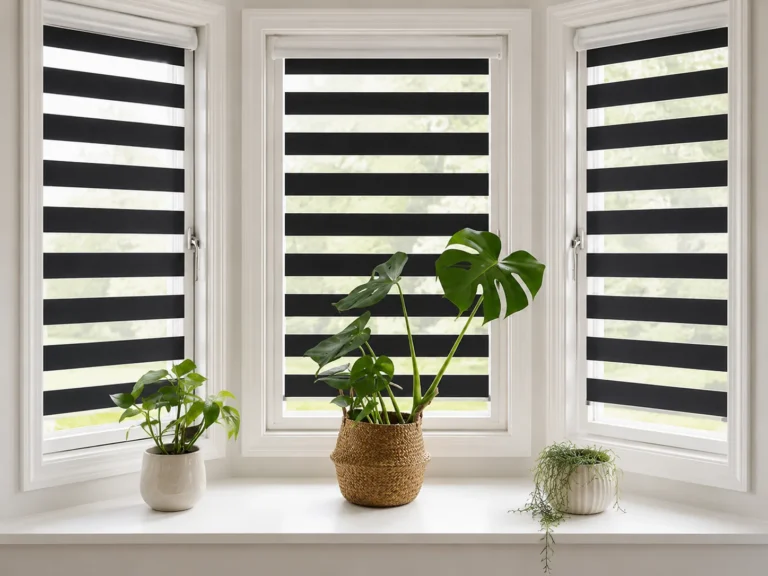
Layered Control
Alternating fabric bands let you adjust the balance between filtered daylight and greater screening.
Explore Vision Blinds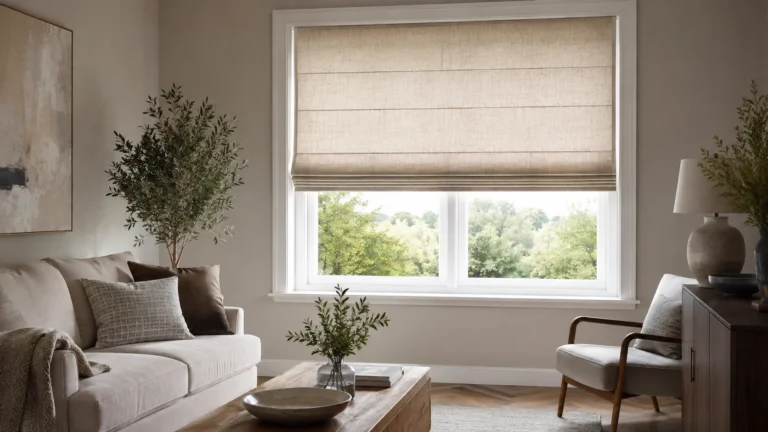
Soft Fabric
A softer fabric treatment for rooms where decorative folds and a more textile-led appearance are preferred.
Explore Roman Blinds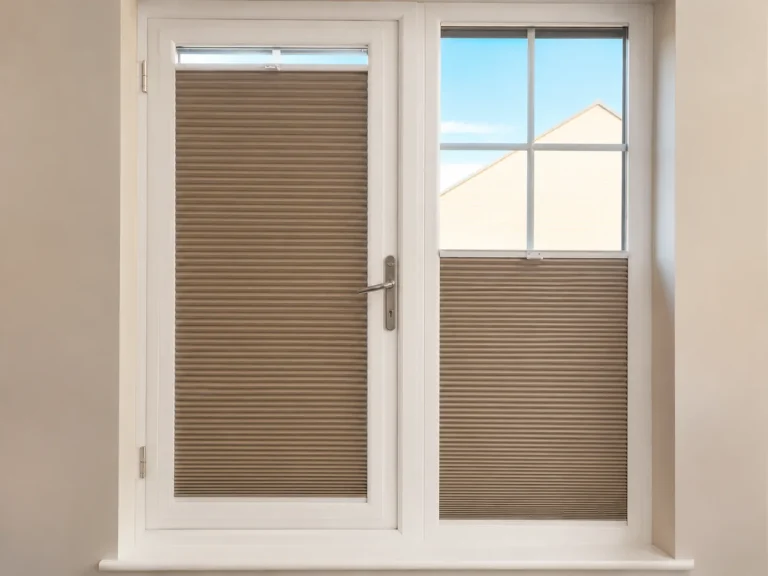
Frame Mounted
Frame-mounted options for compatible windows and doors where an integrated fitting style is important.
Explore Perfect Fit Blinds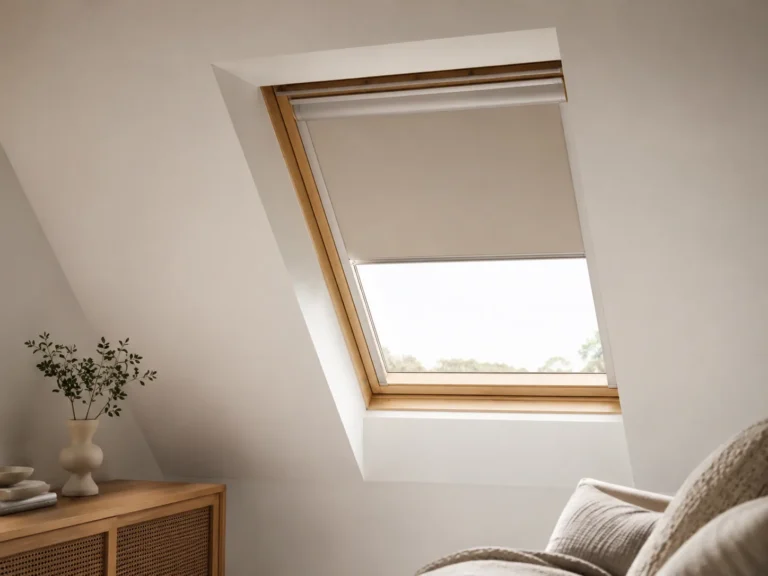
Roof Windows
Dedicated guidance for compatible VELUX roof windows where the exact window and Blind system need to match.
Explore VELUX Blinds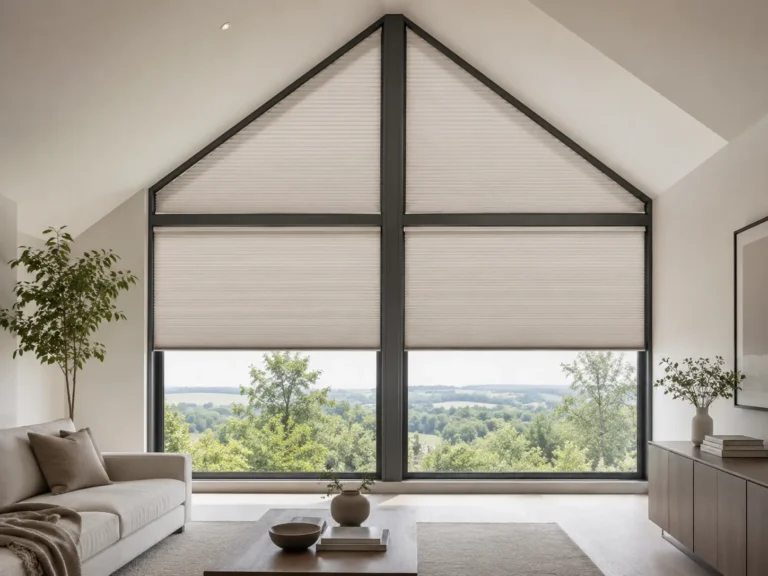
Compact Fabric
Compact folded-fabric Blinds that can suit standard glazing and selected specialist applications.
Explore Pleated Blinds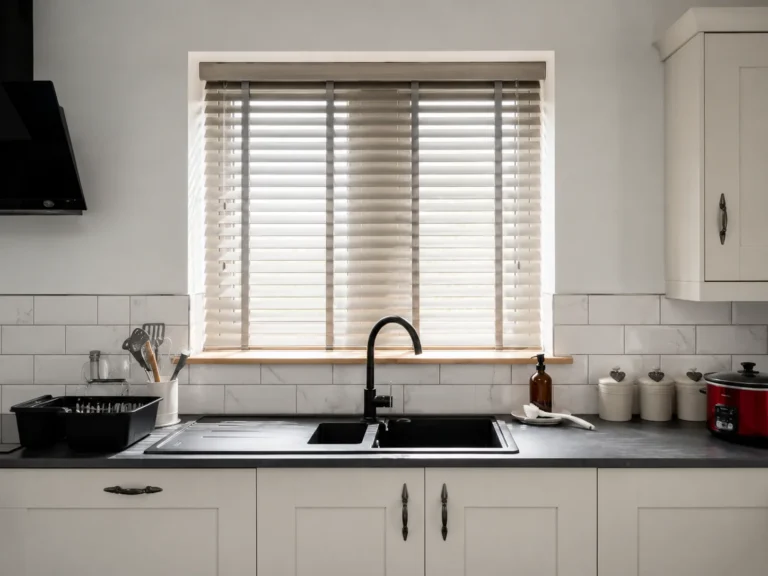
Slatted Control
Horizontal adjustable slats with broader material choices, including aluminium, where directional light control is important.
Explore Venetian Blinds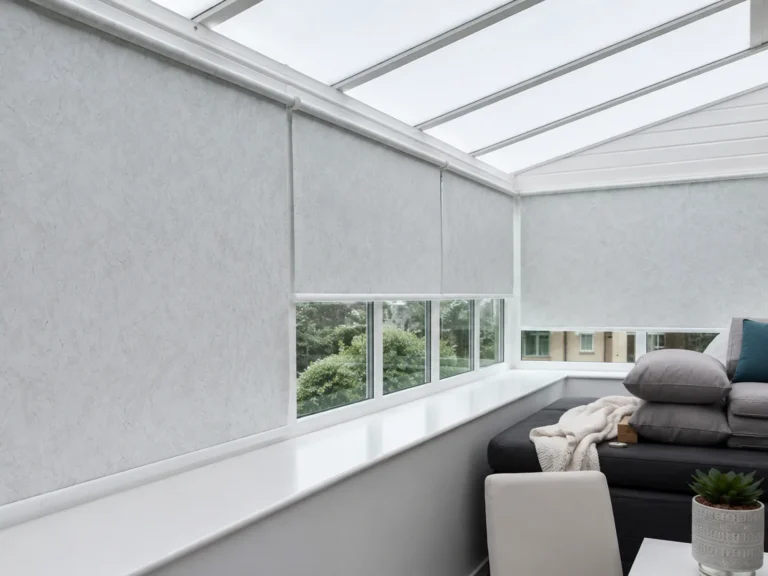
Glazed Rooms
Guidance for planning side windows, doors and roof glazing across a conservatory rather than treating every pane the same.
Explore Conservatory Blinds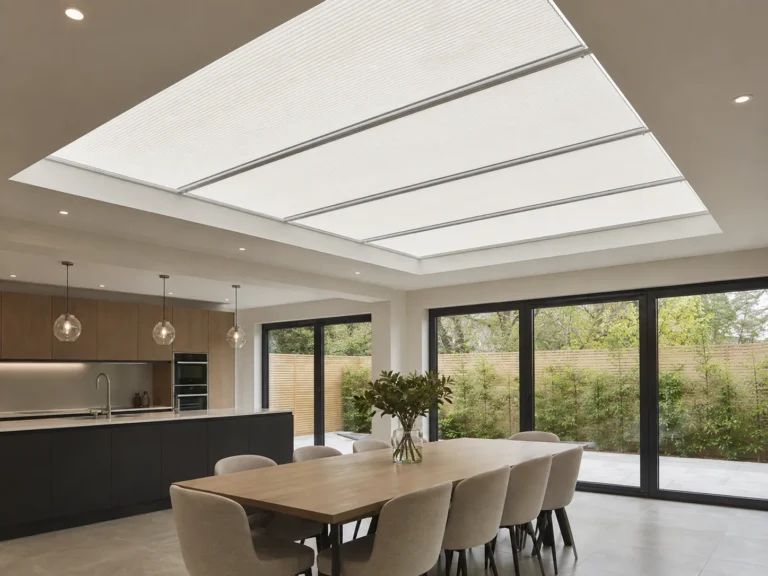
Overhead Glazing
Specialist shading for compatible overhead roof-lantern glazing where access and operation need particular consideration.
Explore Roof Lantern Blinds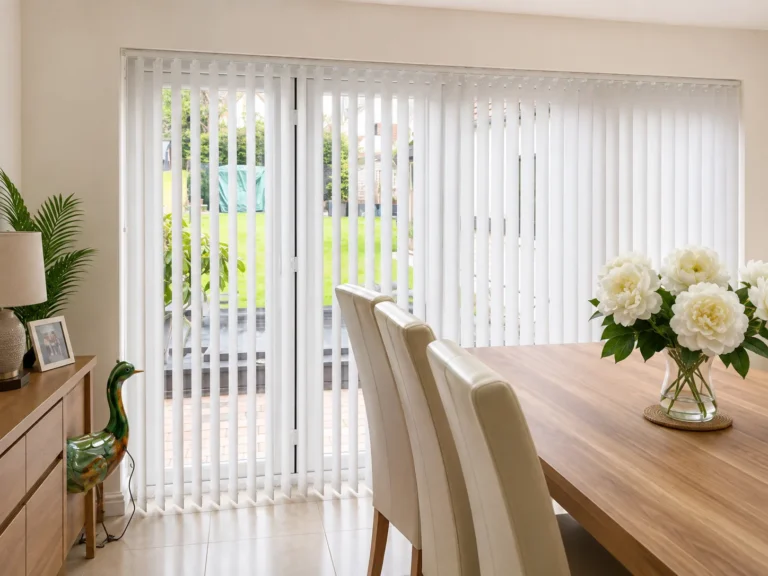
Glazed Doors
Start here when the main challenge is glazed-door movement, handles, access or a particularly wide opening.
Explore Door Blinds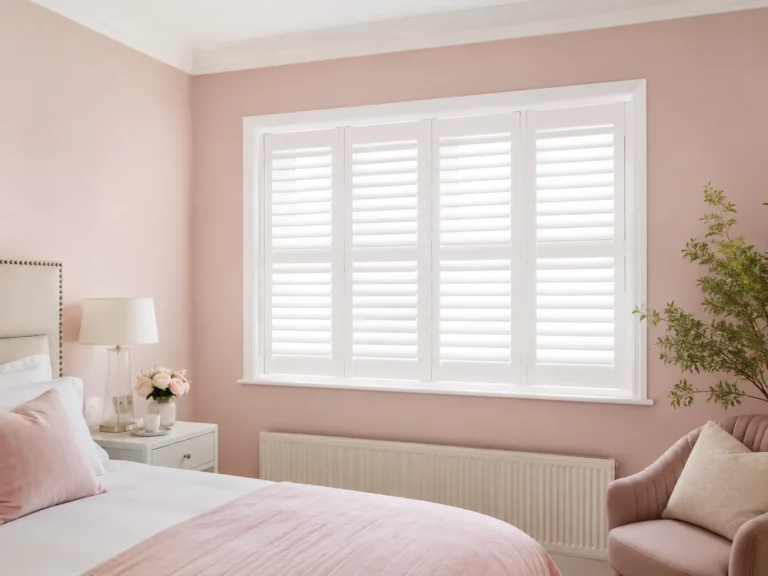
Framed Louvres
A framed louvred alternative where panelled coverage and a more architectural window treatment are preferred.
Explore Window ShuttersPractical Help at Home
Heavenly Blinds provides a home-based service designed to resolve practical window details before a made-to-measure Blind is ordered.
Discuss the room, opening and requirements during a free home appointment rather than relying only on measurements taken remotely.
The opening can be checked for size, recess depth, handles, movement and other practical fitting considerations.
The selected made-to-measure product is supplied and professionally fitted, with a confirmed 12-month guarantee.
From Enquiry to Fitting
The service keeps advice, measuring, specification and fitting connected from the first enquiry through to installation.
Contact Heavenly Blinds by phone, WhatsApp, website or email and arrange a free home appointment.
Your windows are measured and the room, practical requirements and suitable Blind options are discussed.
Agree the preferred material, finish and specification, then receive a free quotation for the made-to-measure solution.
The completed product is supplied and professionally fitted, with the confirmed 12-month guarantee.
Customer Feedback
Read genuine Google reviews about customers’ experiences of communication, advice, measuring, product choice and professional fitting.
We had an amazing experience , everything was done in timely manner to the highest quality and standards . The interaction was very helpful and clear. professionally executed. Thank you.
Very good quality and reasonable price would recommend to anyone fantastic
Good quality work, excellent service.Thank you.
Just had some beautiful new vertical blinds fitted by Heavenly Blinds. Excellent customer service and a very good price. Would definitely recommend.
Very professional and respectful would definitely recommend to friends and family
Great service, good price, and reliable.
Came to fit as agreed and completed efficiently to an excellent standard. Would highly recommend ⭐⭐⭐⭐⭐
Had some blinds fitted the other day by these , absolutely love my new blinds. Would definitely recommend this company and will be back for more ..thank youuuu
Good experience, good quality blinds with different varieties to choose from and fitted perfectly, great communication, Happy with the service provided
super fast reliable service great guys job completed on time no delays would definitely recommend and use them again
I'm glad I chose this company. I recommend it.
Wooden Blinds Near You
Choose your area to continue to the relevant Wooden Blinds page for local service information, home measuring and the appropriate enquiry route.
Common Questions
These answers cover practical questions that often arise once you are already considering Wooden Blinds for a particular window or room.
Faux Wood is generally the more practical direction where regular moisture or wiping is a concern. Real Wood needs greater caution around persistent moisture, and the selected material should still be checked for the actual room conditions.
They can be, provided the Blind does not obstruct the handle or opening movement. Consider how far it must be raised, available clearance and how frequently the window is used before deciding on the final fit.
Wooden Blinds reduce light and provide adjustable privacy, but gaps can remain around and between the slats. Where strong room darkening is the priority, a dedicated blackout Blind or fitting approach may be more appropriate.
Available depth can decide the issue. Wooden Blinds need sufficient space for the headrail, slats and handles, while aluminium Venetians can provide a slimmer slatted option where the recess or clear glazing area is limited.
Dividing the opening can help when one Blind would become unnecessarily heavy or awkward to operate, or when separate window sections need independent access. Width, weight, fixing points and window use should all guide the decision.
Check bay angles, headrail positions, slat clearance, handles and how neighbouring blinds meet. The sections should be planned together so one Blind does not interfere with another or prevent a window from opening properly.
Another Blind may suit better on exceptionally wide openings, where frequent lifting would be inconvenient or where fixing space is limited. Roller, Vertical or another suitable system can sometimes provide a simpler solution.
Motorisation can add value where a compatible Blind is difficult to reach, used frequently or inconvenient to operate manually. The chosen system, finished dimensions, weight and available controls all need to support powered operation.
Not necessarily. Faux Wood is often easier to wipe, while Real Wood should be treated more cautiously around moisture. Always follow the care instructions supplied for the actual material and finish rather than using one method for both.
Compatibility depends on the window and selected Perfect Fit system. Frame construction, glazing, bead, seals, handles and available clearances may all matter, so Faux Wood availability alone does not mean every window is suitable.
Need Help Choosing?
Arrange a free home appointment for practical advice based on the actual room, window and way you want your new Blind to work.