
Window or Opening Type
A standard window, wide opening, glazed door, bay window or roof window can each place different demands on the blind.
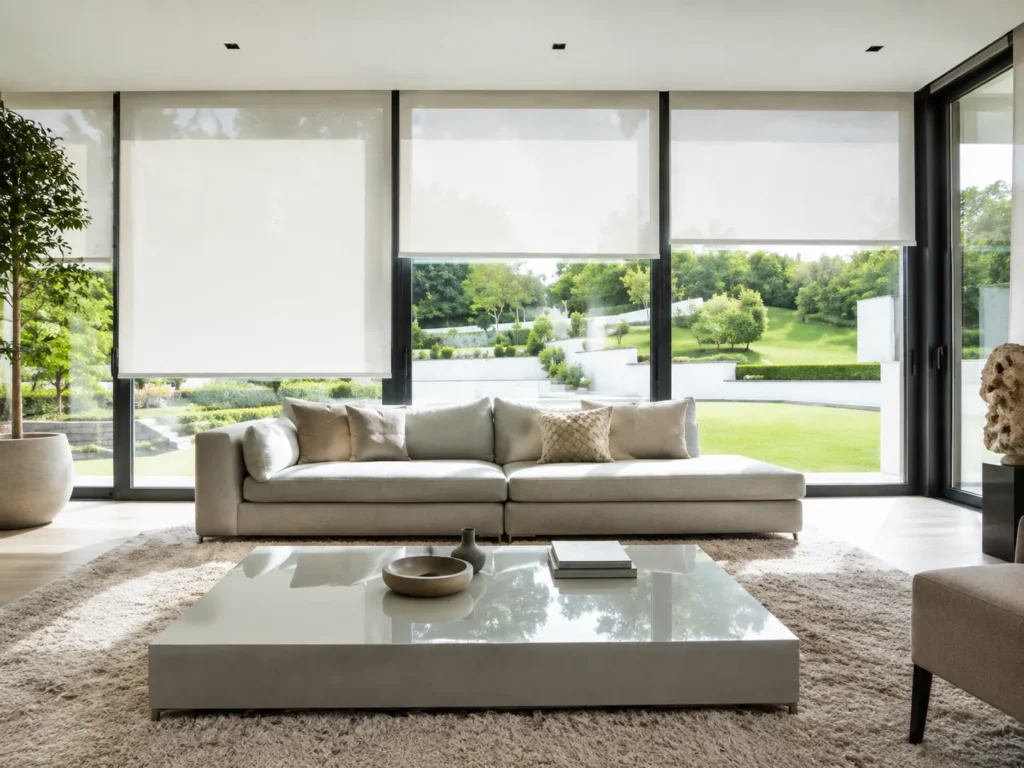
Made-to-measure blinds for homes in Bury, with practical advice, accurate measuring and professional fitting. Explore options for windows, doors and more specialist openings, or arrange a home appointment if you would like help choosing.
Made around your home
Every opening is slightly different. A made-to-measure blind can be planned around the actual window or door, the way it opens and the level of privacy or light control you want.
Heavenly Blinds supplies and professionally fits made-to-measure blinds in Bury as part of its Greater Manchester home service. You can compare suitable styles during a home appointment rather than trying to judge fit and practicality from standard sizes alone.
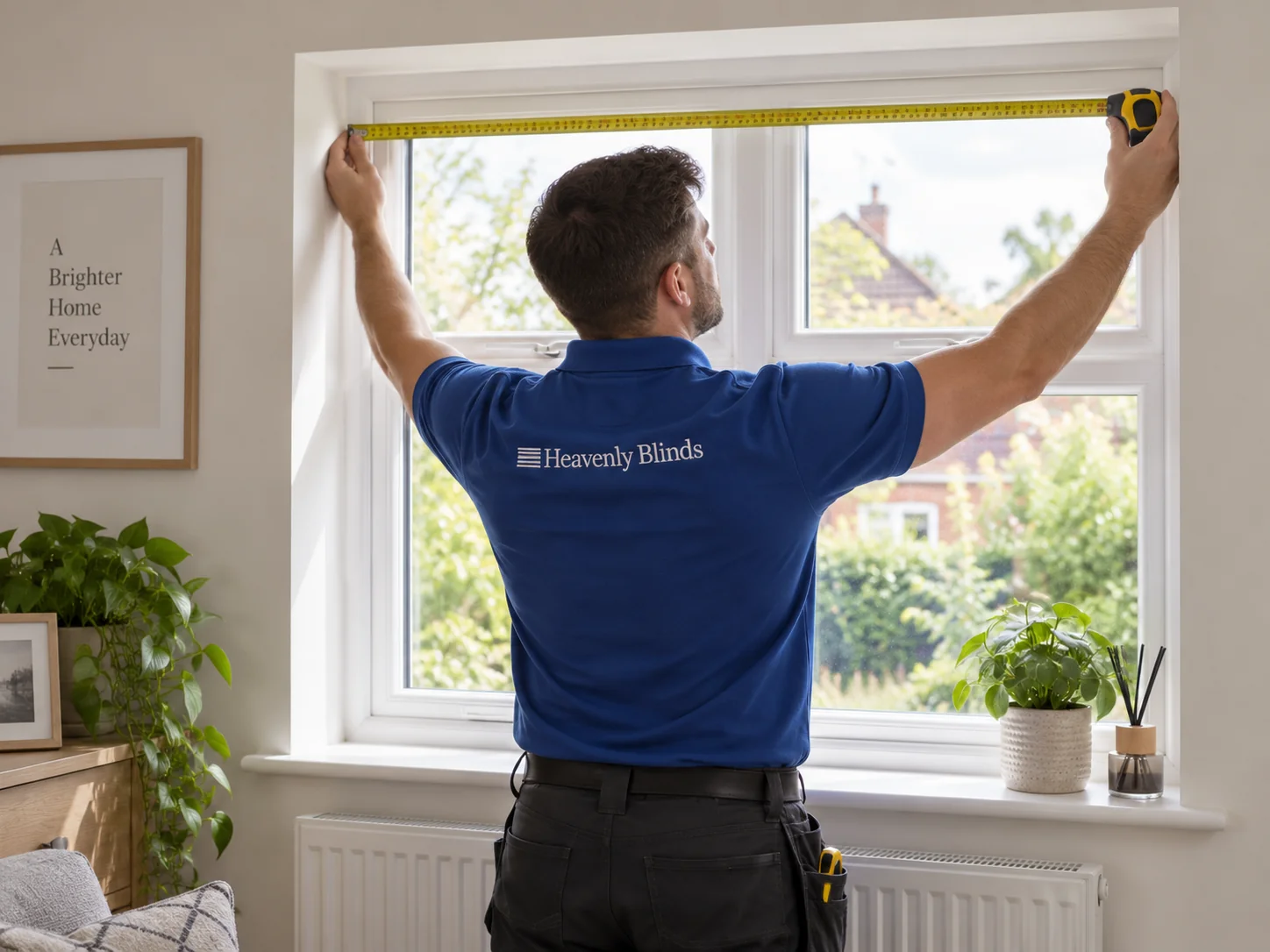
Widths, drops, recess depth and practical clearances can be checked before the blind is ordered.
Choices can take account of daylight, privacy, access and everyday operation rather than appearance alone.
Once your blinds are ready, they can be installed professionally so the selected system works properly with the opening.
Start with the practical requirement
The right choice usually becomes clearer when you start with how the opening and room need to work.
A standard window, wide opening, glazed door, bay window or roof window can each place different demands on the blind.
Decide whether you mainly want adjustable privacy, glare reduction, softer daylight or stronger light reduction.
Think about how the room is used and whether moisture, frequent use or strong sunlight affects the choice.
Consider how often the blind will be adjusted and whether manual, frame-mounted or compatible motorised operation would be more practical.
Explore your options
Explore a broad choice of window and door blinds, then follow the option that best matches your opening and the way you want the room to work.
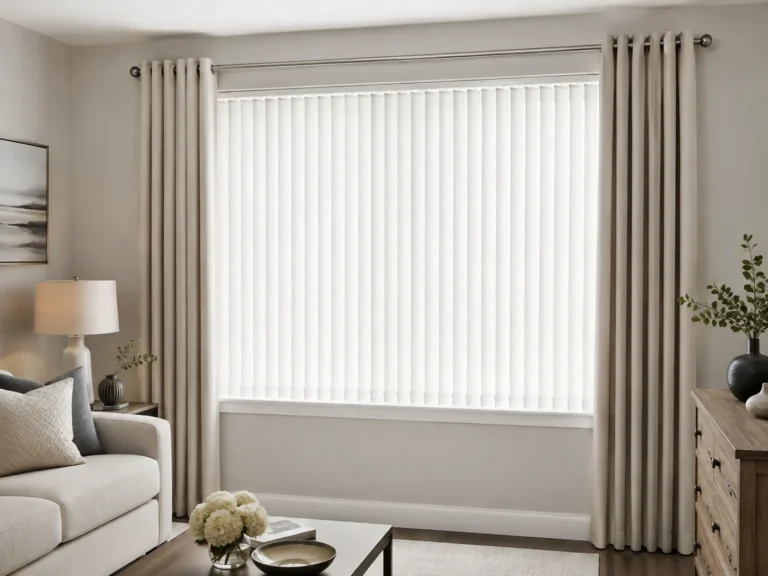
A practical choice for wide windows and larger glazed areas, with rotating louvres that allow flexible control of light and privacy.
Explore Vertical Blinds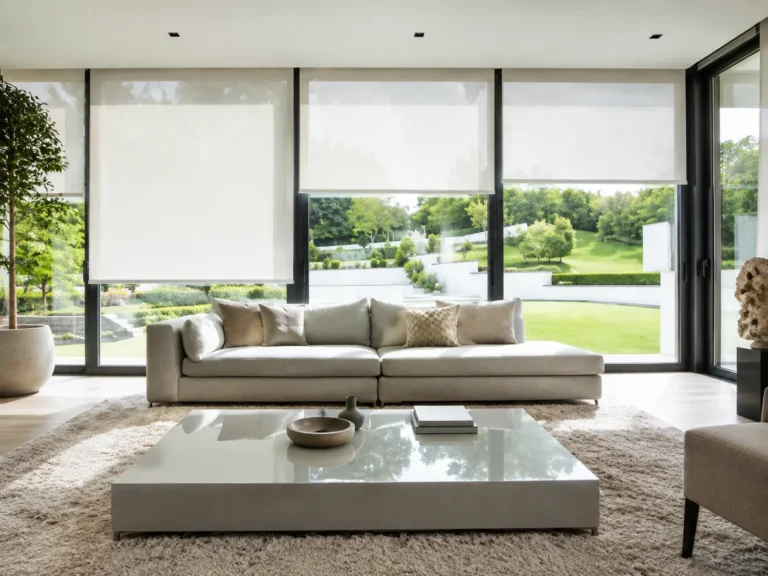
A simple fabric blind with a clean appearance and straightforward operation, available for many everyday window settings.
Explore Roller Blinds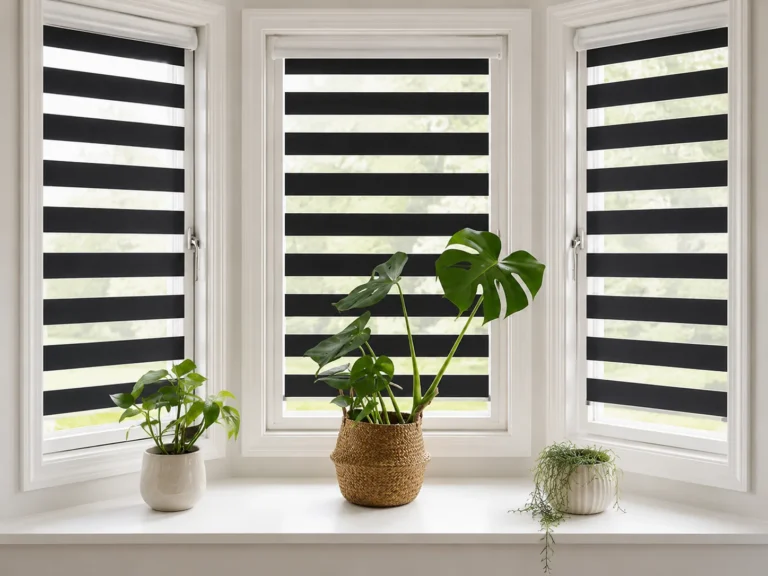
Layered fabric sections give flexible adjustment between greater privacy and filtered daylight.
Explore Vision Blinds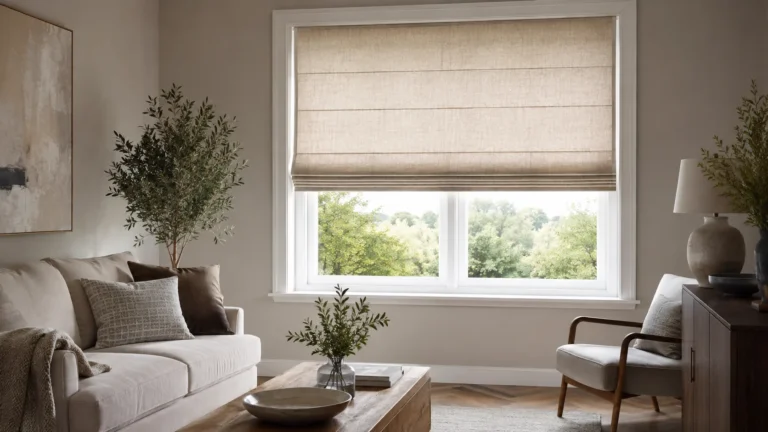
A softer fabric option that folds as it rises, suited to rooms where a more decorative window finish is wanted.
Explore Roman Blinds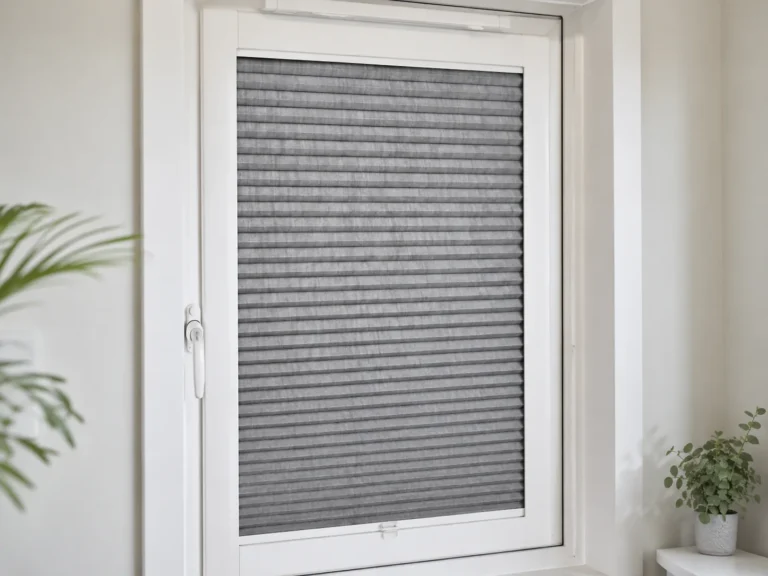
Frame-mounted blinds for compatible windows and glazed doors, designed to sit close to the glass and move with the opening.
Explore Perfect Fit Blinds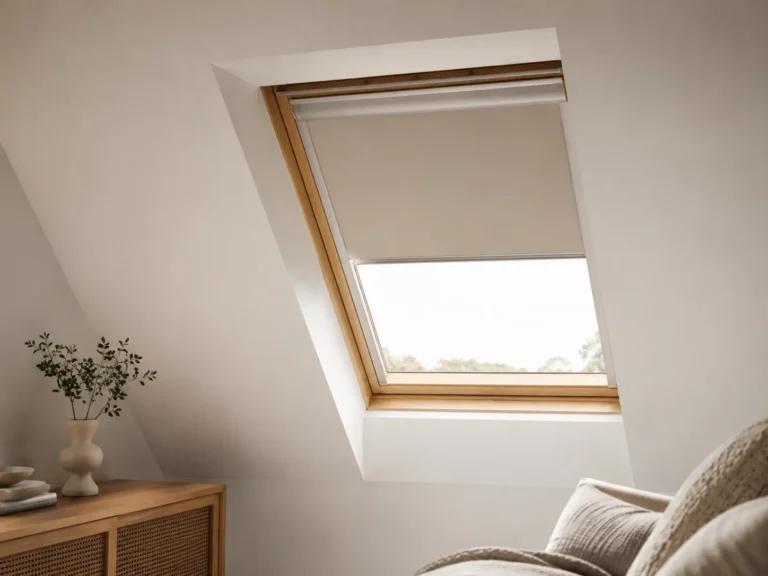
Purpose-suited options for compatible VELUX roof windows, including choices for different levels of light control.
Explore VELUX Blinds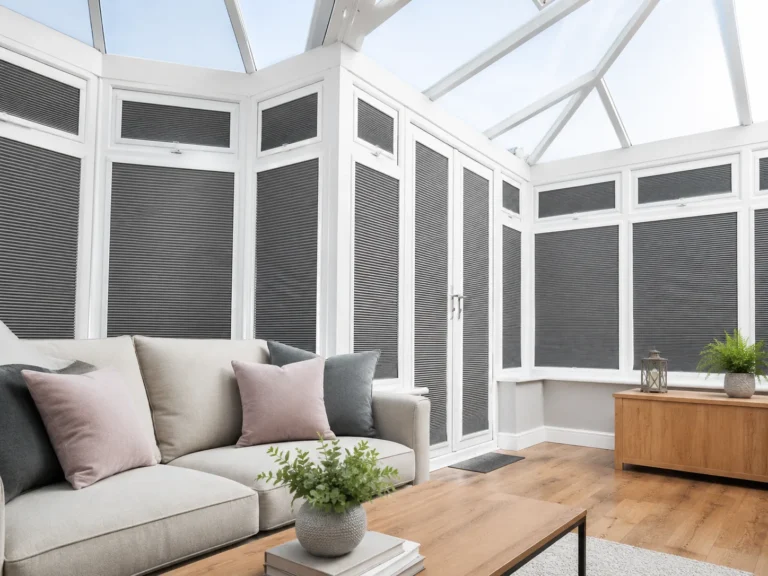
A lightweight fabric option with a compact stack, useful where a neat fit and flexible light control are important.
Explore Pleated Blinds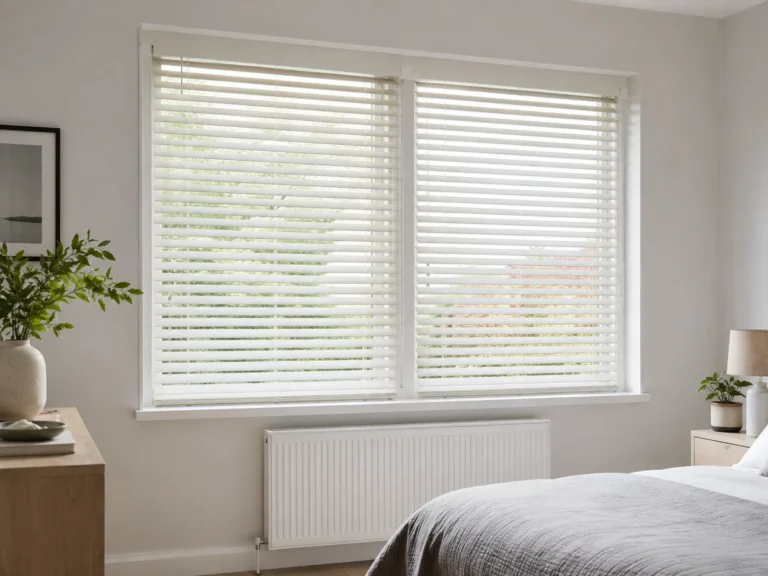
Horizontal slats allow precise adjustment of light and privacy while retaining a clean, structured appearance.
Explore Venetian Blinds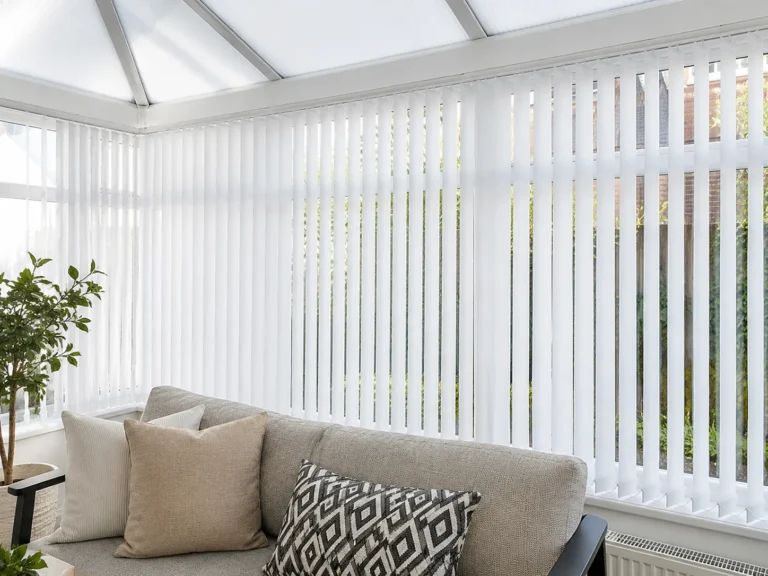
Different blind types can be used across conservatory windows, doors and roof glazing according to access and light-control needs.
Explore Conservatory Blinds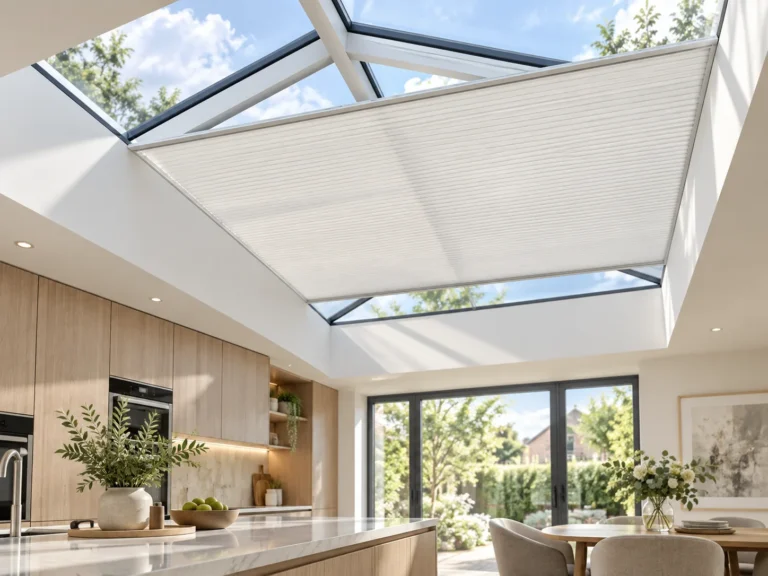
Specialist solutions for suitable roof lanterns, helping manage overhead brightness and difficult-to-reach glazing.
Explore Roof Lantern Blinds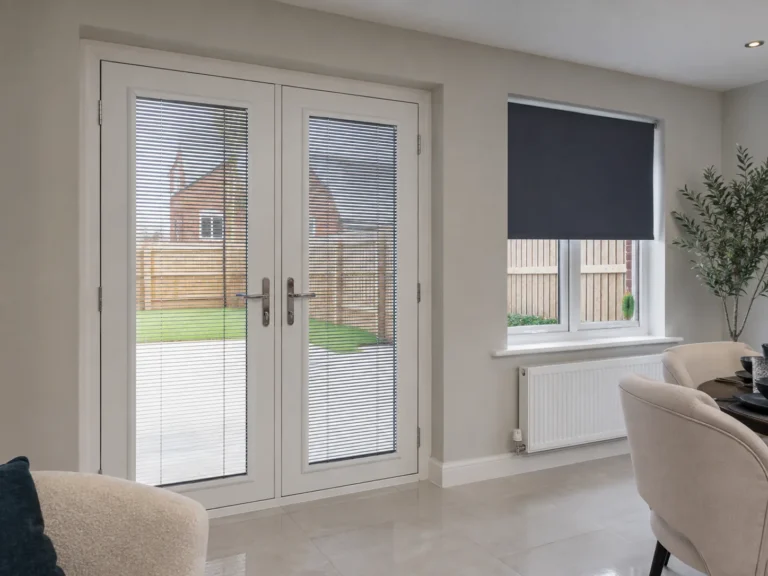
Blinds for glazed doors should allow for handles, locks, movement and the way the door is used each day.
Explore Door Blinds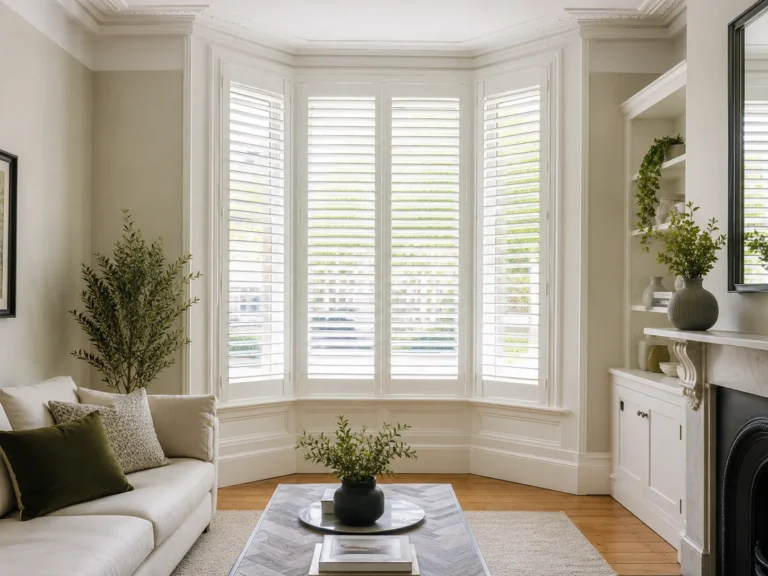
A framed option with adjustable louvres for privacy and daylight control, with suitability depending on the individual opening.
Explore Window ShuttersSolutions for more specific requirements
Some windows and rooms need a more specific approach. These routes can help when the opening, light requirement or operating method is the main consideration.
Plan each part of the bay carefully so neighbouring blinds work together without interfering at the angles.
Explore Bay Window BlindsFor rooms needing stronger light reduction, consider both the blind material and how light may enter around the edges.
Explore Blackout BlindsPowered operation can be useful for suitable large, high or difficult-to-reach blinds where manual adjustment is less convenient.
Explore Motorised BlindsPurpose-suited systems help keep the blind controlled against angled roof glazing while providing the required light control.
Explore Skylight BlindsAlternating fabric sections allow flexible adjustment between filtered light and greater screening during the day.
Explore Day & Night BlindsHorizontal slats provide adjustable privacy and a warm, substantial appearance where the room conditions are suitable.
Explore Wooden BlindsPractical choices for glazed doors
Door blinds need to work with the movement of the door as well as provide the privacy and light control you want.
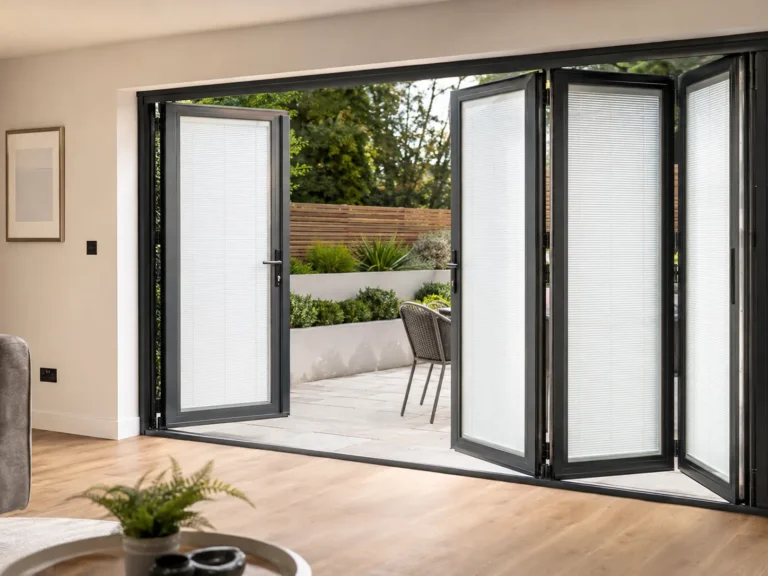
Clearance is especially important because the panels may need to fold and stack back fully. Compact systems can be considered where compatible.
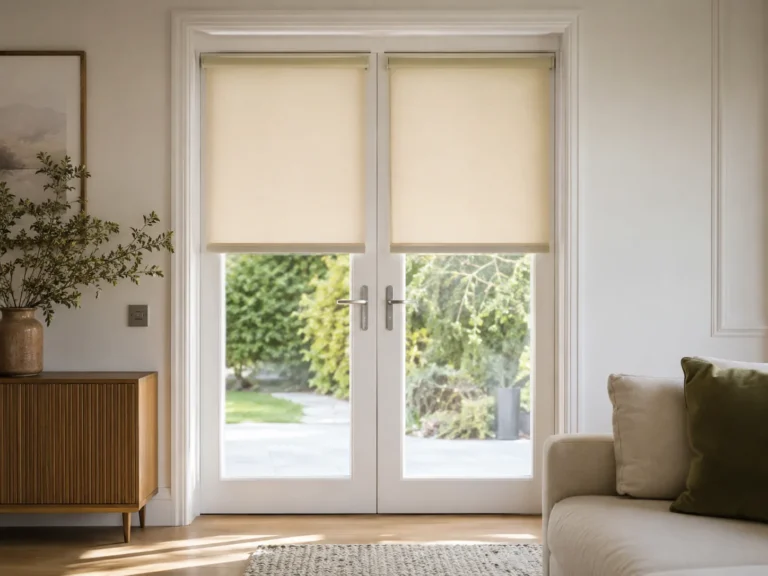
Handles, locks and the direction each door opens should be considered so the blind remains practical during everyday use.
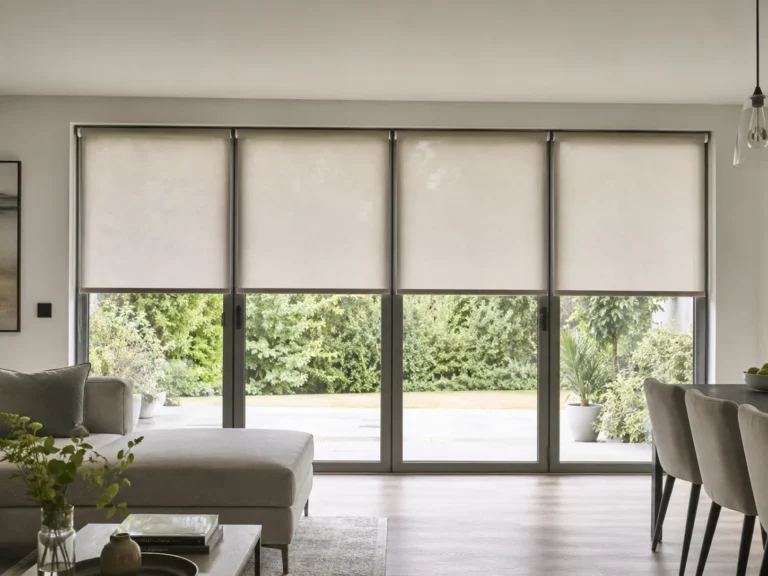
Wide glazing and frequent access can favour blinds that stack neatly or suitable frame-mounted options on compatible doors.
Choose around the room
The same blind is not necessarily right for every room. Start with what matters most in the space.
Flexible daylight and privacy are often the priorities, along with a finish that works comfortably with the rest of the room.
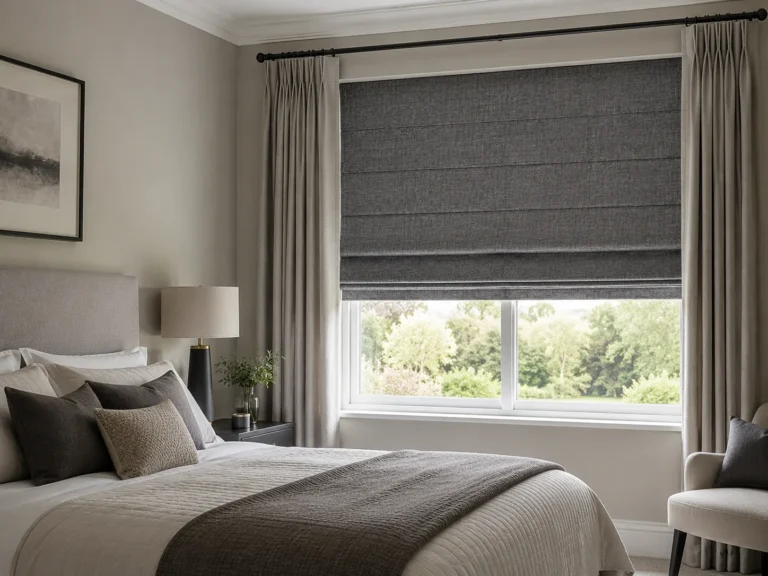
Think about evening privacy and how much early-morning light you want to reduce, particularly where stronger darkness is important.
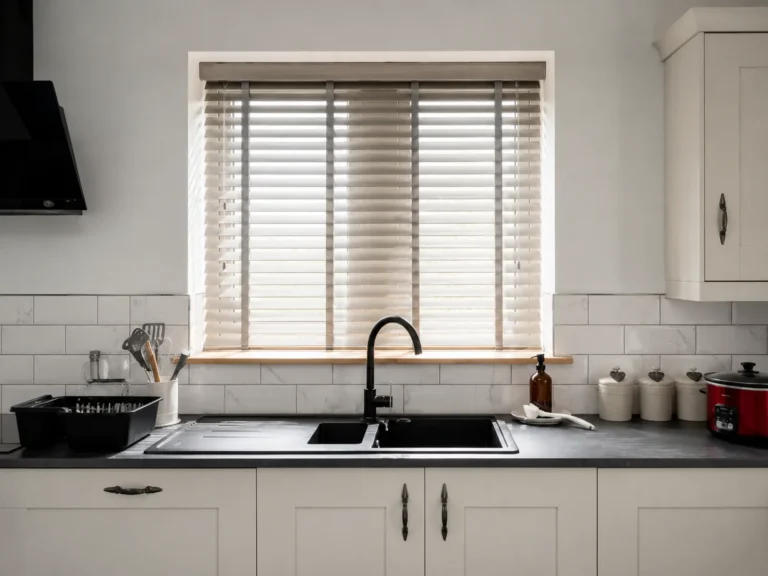
Ease of cleaning and the conditions around the window can matter more than a highly decorative finish.
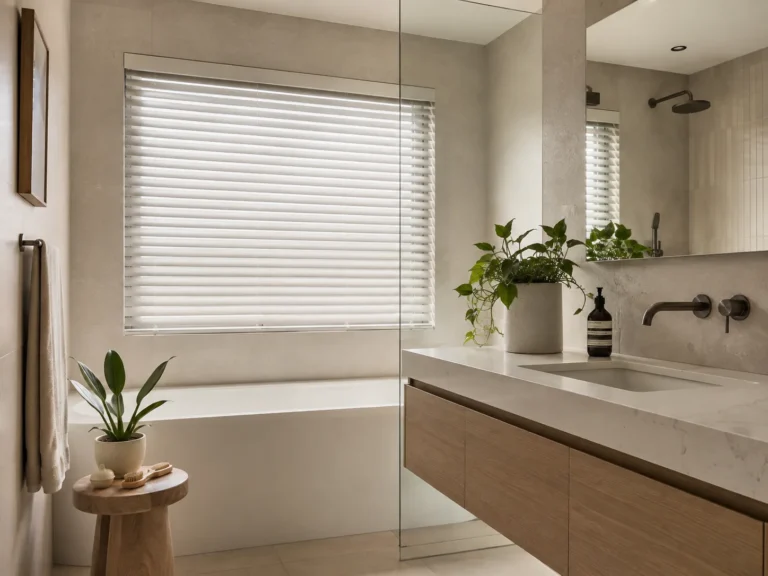
Privacy is usually important, while materials and systems should be chosen with the room conditions in mind.
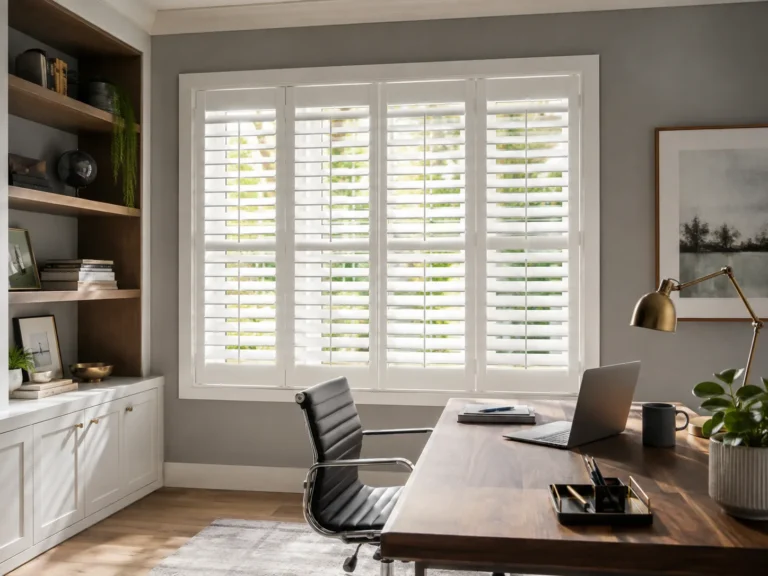
Adjustable daylight can help manage glare on screens without unnecessarily making the room dark.
Before you choose
A few practical checks can narrow the options quickly and help avoid choosing a blind that looks right but does not work well with the opening.
Decide whether you want adjustable screening, filtered daylight, glare reduction or a stronger reduction in light.
The size, shape and movement of the window or door can affect which fitting methods are practical.
Consider moisture, strong sunlight, frequent use and any furniture or fittings close to the opening.
Think about how easily the blind can be reached and how often you expect to adjust it.
Advice before you decide
You do not need to know which blind you want before getting in touch. Tell us about the window, door or room and we can help you narrow down suitable options.
A free home appointment gives you the opportunity to discuss what you need, have the opening measured and compare suitable choices before a quotation is prepared.
Discuss the opening and what you want the blind to achieve in the room itself.
Relevant dimensions and practical clearances can be checked before the final specification is agreed.
Once the suitable option and requirements are clear, a quotation can be prepared for the proposed made-to-measure solution.
Tell us a little about the windows, doors or rooms you would like help with. You can still enquire if you are not sure which blind type is suitable.
Match the blind to the opening
The way an opening is shaped and used can be just as important as the style of blind you prefer.
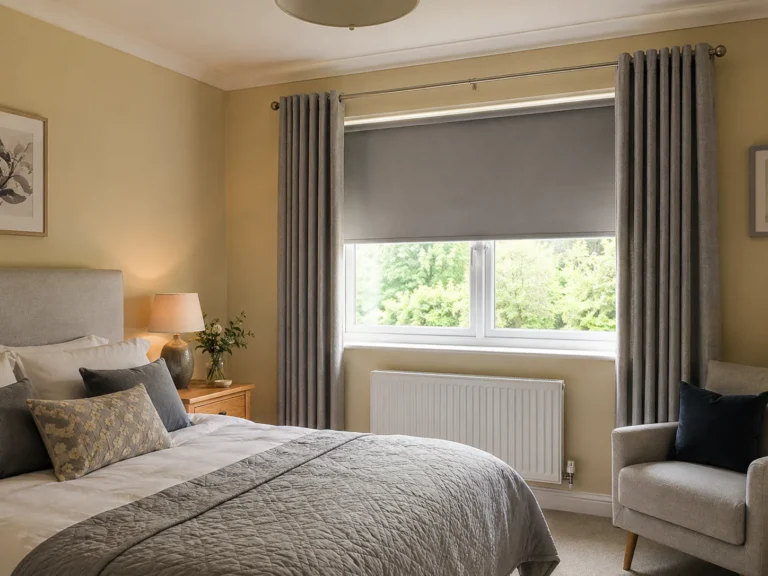
Many blind styles can work well, so the choice usually comes down to privacy, light control, recess space and appearance.
Larger spans need a blind and operating method that remain manageable at the required width.
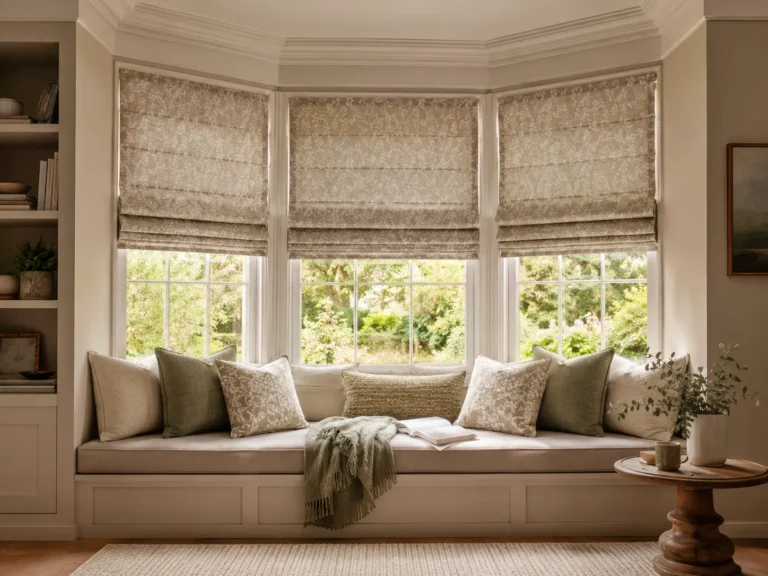
Each part of the bay needs to be considered so neighbouring blinds have enough clearance at the corners.
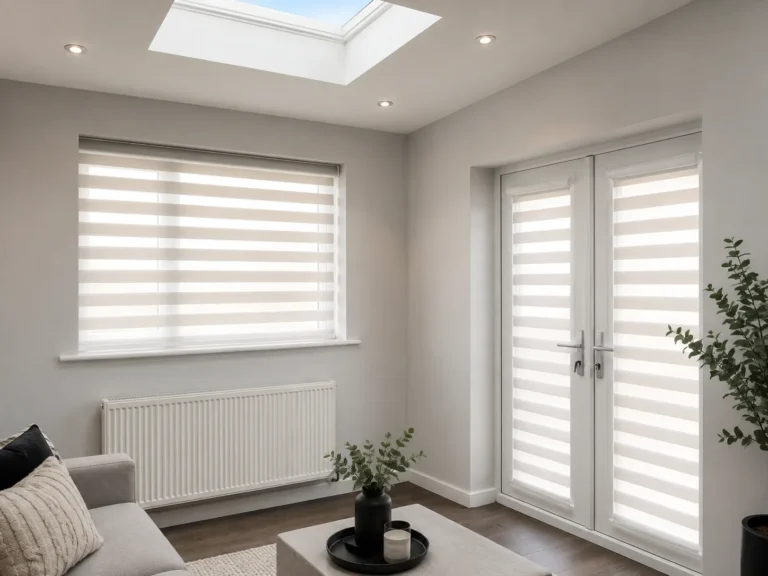
Door movement, handles, locks and access should be checked before deciding where and how the blind will fit.
Angled glazing normally needs a system intended to remain controlled against the window rather than hanging vertically.
Different areas of glazing may need different blind types while still giving the space a coordinated appearance.
Fit starts with the opening
The visible width and height are only part of what determines whether a blind will fit and operate properly.
Recess depth, window handles, vents, tiles, hinges and other projections can reduce the usable fitting space. The window or door also needs enough clearance to open normally once the blind and its fittings are in position.
Arrange a Home AppointmentA straightforward service
The process is designed to take you from an initial question to blinds measured and fitted for your home.
Tell Heavenly Blinds what you are considering and arrange a suitable home appointment.
The relevant openings can be measured while you discuss practical requirements and suitable options.
Select the preferred blind, finish and appropriate specification, then receive a free quotation.
Your made-to-measure blinds are supplied and professionally fitted once they are ready.
Service Built Around Each Opening
Clear advice and accurate preparation are important when a blind needs to work properly in everyday use.
Compare suitable options around the room, opening and result you want rather than relying on a standard recommendation.
Relevant dimensions, recess depth and practical clearances are checked before the final blind is ordered.
Heavenly Blinds supplies and professionally installs the made-to-measure blinds it provides.
Products supplied and professionally fitted by Heavenly Blinds are covered by the verified 12-month guarantee.
Customer feedback
Read genuine customer feedback about their experience with Heavenly Blinds, including advice, measuring and professional fitting.
We had an amazing experience , everything was done in timely manner to the highest quality and standards . The interaction was very helpful and clear. professionally executed. Thank you.
Very good quality and reasonable price would recommend to anyone fantastic
Good quality work, excellent service.Thank you.
Just had some beautiful new vertical blinds fitted by Heavenly Blinds. Excellent customer service and a very good price. Would definitely recommend.
Very professional and respectful would definitely recommend to friends and family
Great service, good price, and reliable.
Came to fit as agreed and completed efficiently to an excellent standard. Would highly recommend ⭐⭐⭐⭐⭐
Had some blinds fitted the other day by these , absolutely love my new blinds. Would definitely recommend this company and will be back for more ..thank youuuu
Good experience, good quality blinds with different varieties to choose from and fitted perfectly, great communication, Happy with the service provided
super fast reliable service great guys job completed on time no delays would definitely recommend and use them again
I'm glad I chose this company. I recommend it.
Common buying questions
Helpful answers to practical questions that often come up when choosing made-to-measure blinds for different windows, doors and rooms.
Adjustable slats, louvres or suitable fabrics can reduce screen glare while retaining useful daylight. The best option depends on window direction, screen position and how much privacy or outward view you want to keep.
Very wide glazing needs careful consideration of blind size, weight, stacking and control position. A single blind or several coordinated blinds may be appropriate depending on the opening, product limits and how often it is used.
Door blinds must be planned around panel movement, handles, hinges and everyday access. The fitting position and blind depth should allow the door to open normally, with compatibility checked for the specific door and system.
A shallow recess does not automatically prevent fitting. Depending on the opening, an outside-recess position, compatible frame-mounted system or another compact blind may work. Handles, trim and movement should be measured before deciding.
Motorisation can be useful on compatible roof windows, roof lanterns and other hard-to-reach glazing. Availability depends on the blind system, power option and access requirements, so these should be checked before specification.
Perfect Fit and other frame-mounted systems are not universally compatible. Frame depth, glazing beads, handles and opening movement must be checked before confirming that a particular window or glazed door can accept the system.
Motorisation is worth considering for large, high, hard-to-reach or frequently adjusted blinds. Availability depends on the chosen system, blind size and power option, so compatibility should be confirmed before ordering.
Window Shutters use rigid framed panels and adjustable louvres, while conventional blinds use fabric, slats or other movable systems. The better choice depends on the opening, desired appearance, access, privacy and light-control priorities.
For a child’s bedroom, consider privacy, light control and a child-safe operating method. Suitable safety devices, cordless options or compatible motorised controls may be appropriate depending on the selected blind system.
Windows that appear identical can still vary in width, height, recess depth or squareness. Handles, vents, tiles and other projections can also differ from one opening to the next.
Ready to discuss your windows?
Arrange a free home appointment to discuss your windows or doors, compare suitable made-to-measure options and have the relevant openings measured before receiving a free quotation.