
Window or Opening Type
The opening itself can rule options in or out. Look at dimensions, handles, movement and the space available for the blind before focusing on appearance.
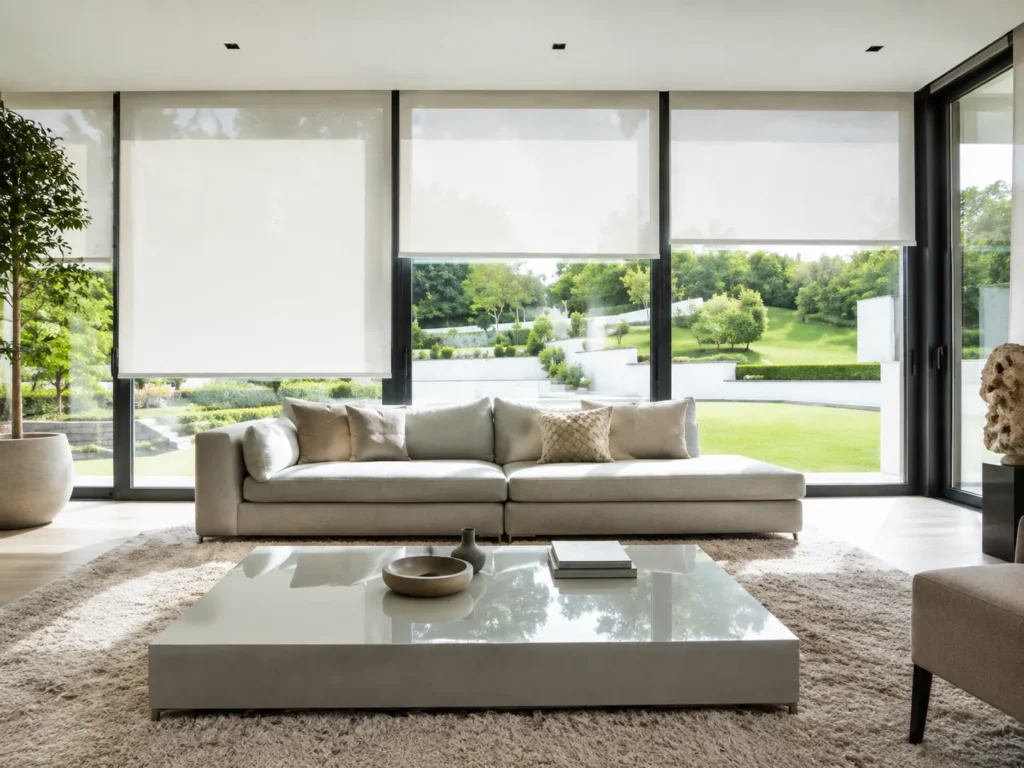
For homeowners comparing farnworth blinds, Heavenly Blinds offers a practical route from choosing the right style to measuring, quotation, supply and professional fitting, with options for standard windows.
Made Around Your Home
The most suitable blind depends on more than width and drop. Planning around the real opening helps account for handles, recess space, movement and the way the room is used.
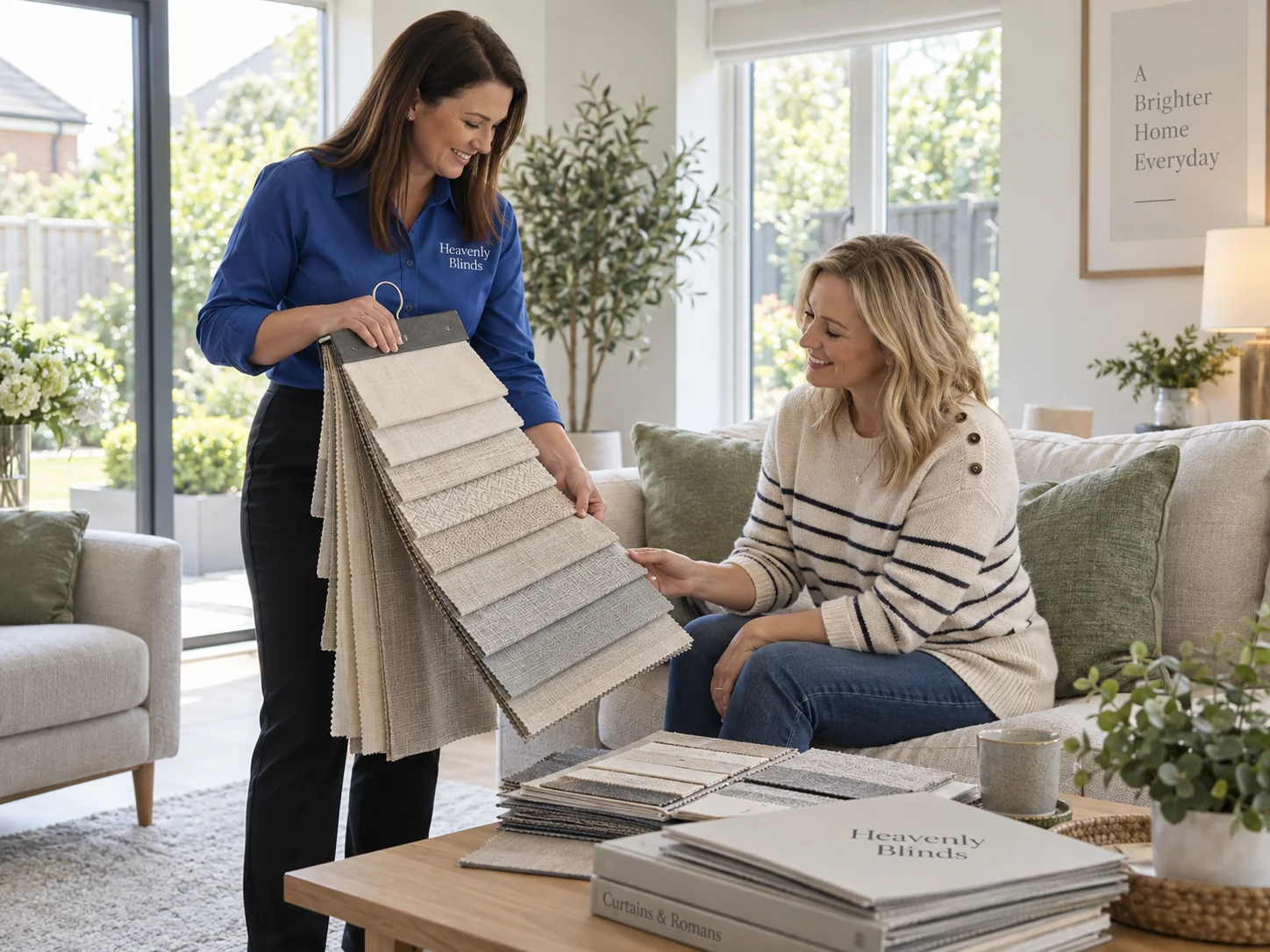
During a home appointment, the opening can be measured and your priorities for privacy, daylight, appearance and operation discussed before the final blind specification is agreed.
The opening is measured carefully so the chosen blind can be planned around its dimensions, fixing space and normal movement rather than a standard-size assumption.
Practical advice helps you compare styles, materials and controls according to what the room needs, rather than choosing by appearance alone.
The selected blinds are supplied to the agreed specification and professionally installed, keeping measuring.
Start With the Practical Requirement
The easiest way to reduce a large range is to begin with function. Opening type, privacy, room conditions and operation usually determine which blind styles are realistic.
The opening itself can rule options in or out. Look at dimensions, handles, movement and the space available for the blind before focusing on appearance.
Privacy and light control are not the same requirement. Decide how much view-through, shading and room darkening you want before comparing styles.
Room use matters. Moisture, cooking, screen glare, sleeping requirements and the amount of direct sun can all influence which materials and blind types are practical.
Consider reach, daily use and the movement of the opening. Depending on the product, manual, frame-mounted or powered operation may be worth comparing.
Compare Blind Types
Explore the main made-to-measure blind styles available through Heavenly Blinds in Farnworth. Each route gives you a clearer starting point before you move to the relevant product page or arrange an appointment.
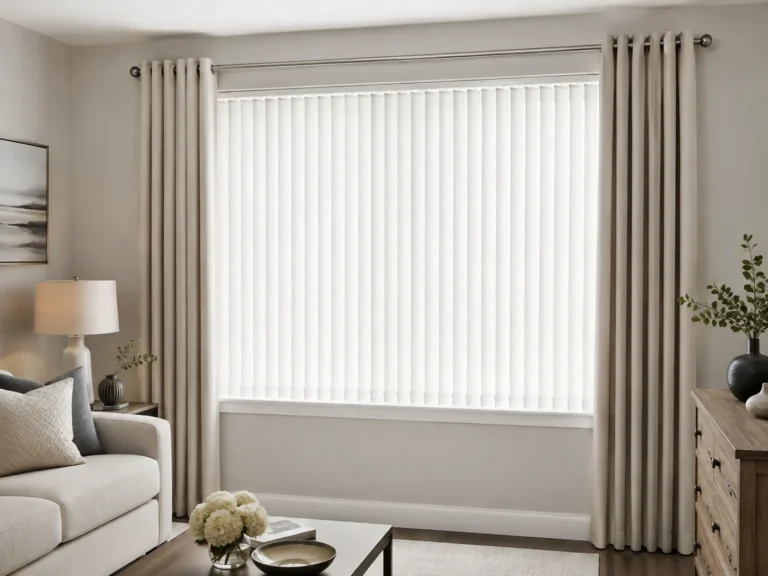
Tilting fabric louvres provide flexible screening across standard or wide windows while allowing the blind to be drawn aside when a clearer opening is wanted.
Explore Vertical Blinds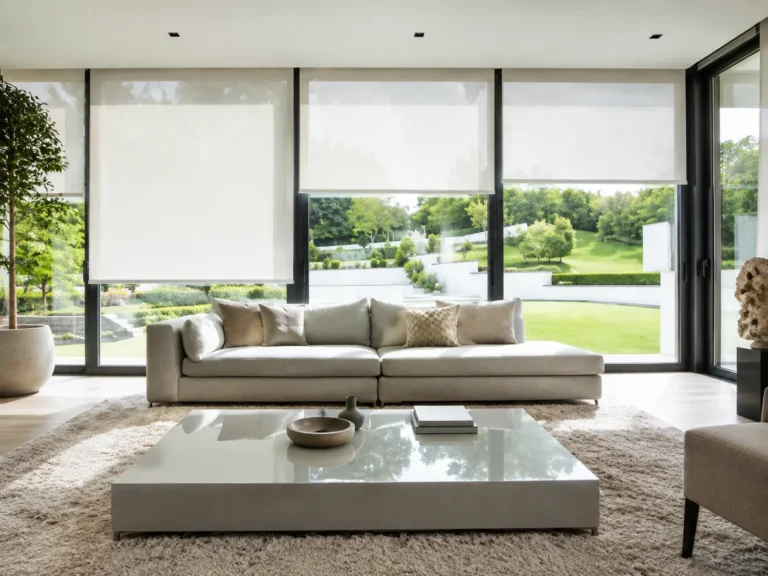
A compact rolled format gives Roller Blinds a neat appearance, while fabric choice allows the same basic system to meet different privacy and shading needs.
View Roller Blinds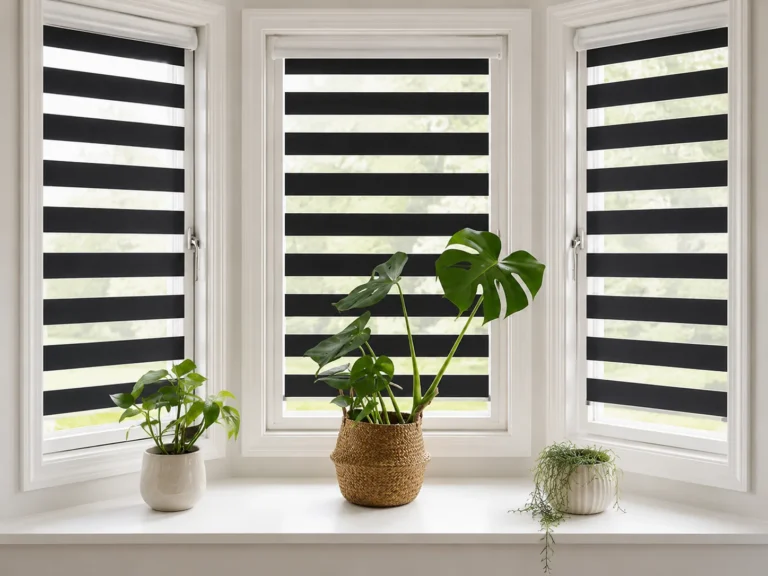
Alternating sheer and opaque fabric bands let you adjust the balance between daylight, outward views and privacy without relying only on fully open or fully closed positions.
Compare Vision Blinds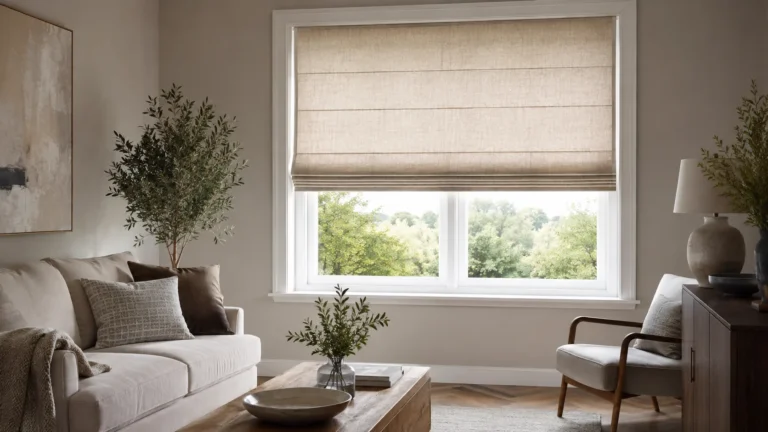
Roman Blinds raise into soft horizontal folds and bring more fabric presence to the window than a simple roller-style treatment.
View Roman Blinds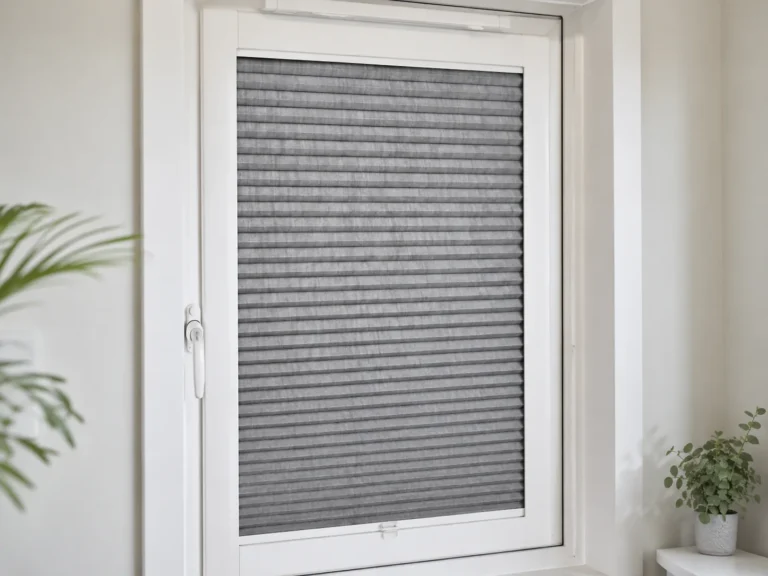
A compatible Perfect Fit frame allows the blind to travel with the opening window or door, which can be useful where handles, access or a clean finish are priorities.
Explore Perfect Fit Blinds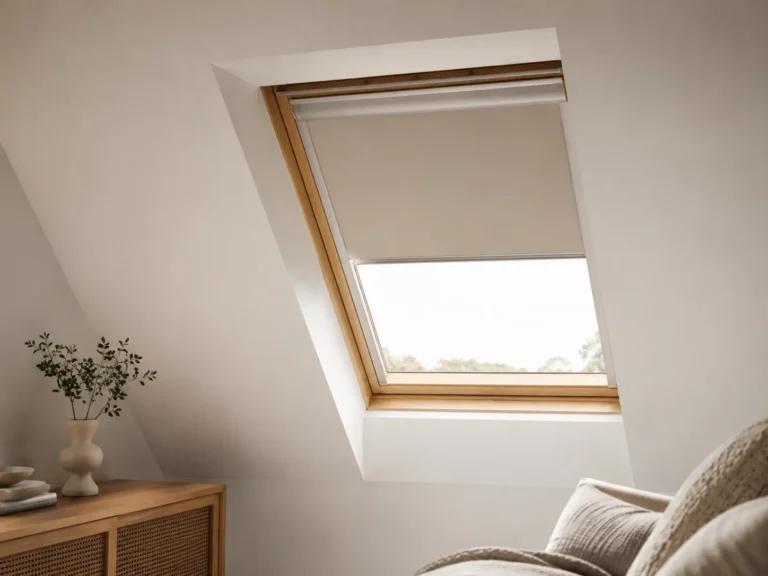
VELUX Blinds are made for compatible roof-window formats, providing a more secure and practical fit than adapting a conventional vertical-window blind.
Explore VELUX Blinds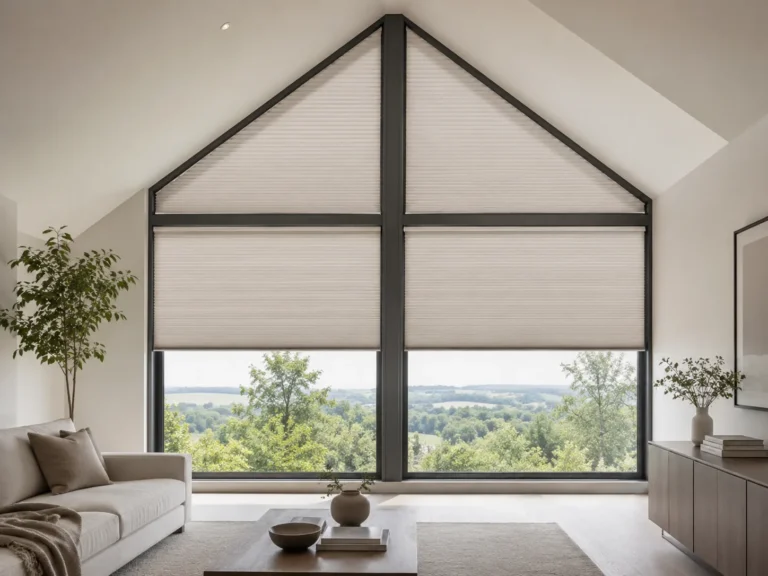
The pleated fabric construction creates a neat, lightweight window treatment that can suit both everyday glazing and certain specialist openings where compatible.
Compare Pleated Blinds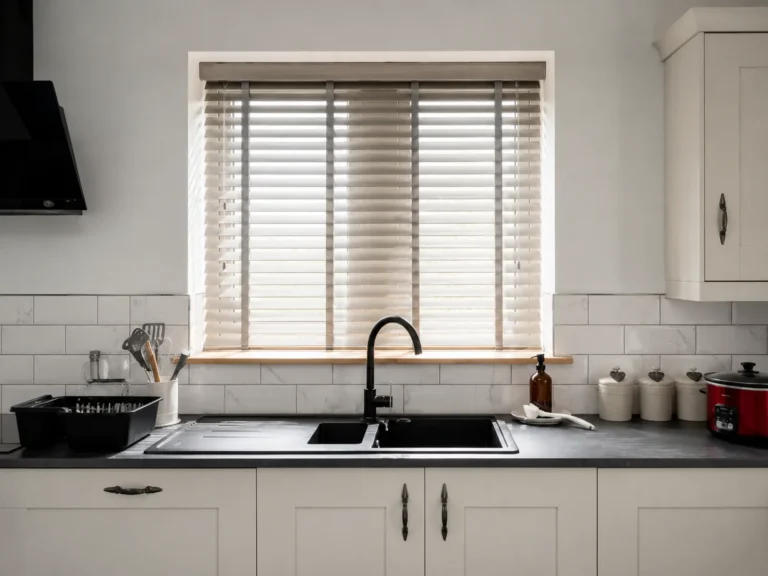
A slatted Venetian format provides fine control over light and view-through, with aluminium and other material choices offering different appearances and practical characteristics.
Compare Venetian Blinds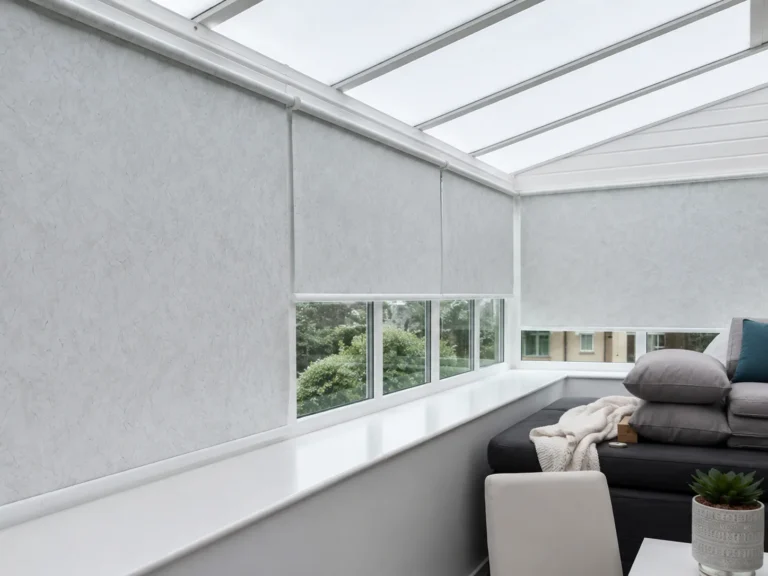
A conservatory often needs more than one blind approach. Side glazing, doors and roof areas can be assessed separately while keeping the overall finish coordinated.
Explore Conservatory Blinds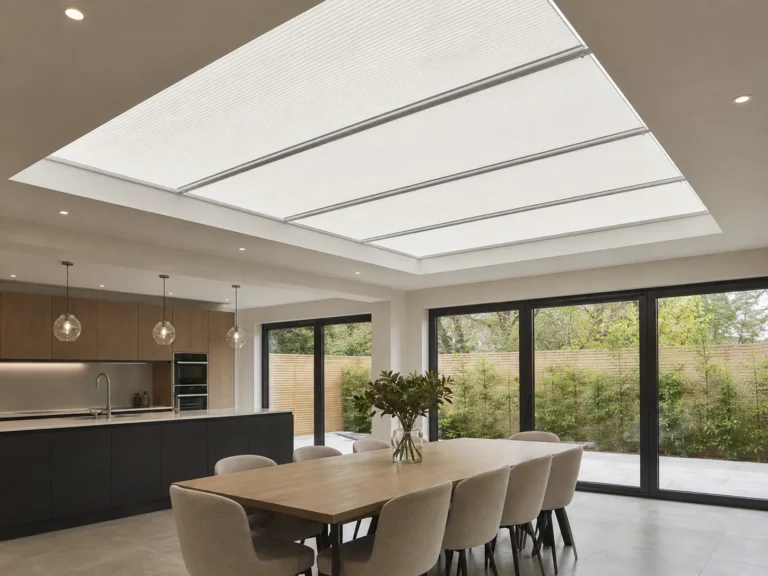
Specialist Roof Lantern Blinds provide controlled shading across suitable overhead glazing, with powered operation available where the selected system supports it.
Compare Roof Lantern Blinds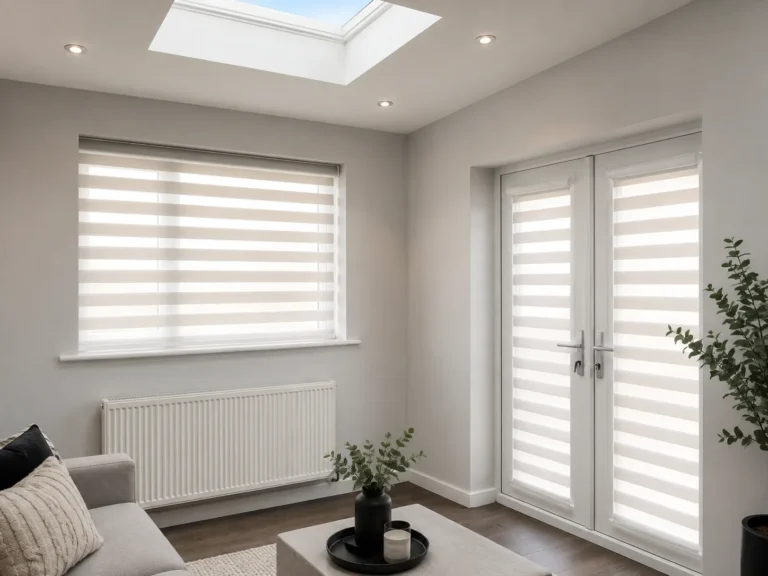
A successful door blind should provide privacy and light control without making the doorway awkward to use, which is why movement and hardware need to be considered before fitting.
View Door Blinds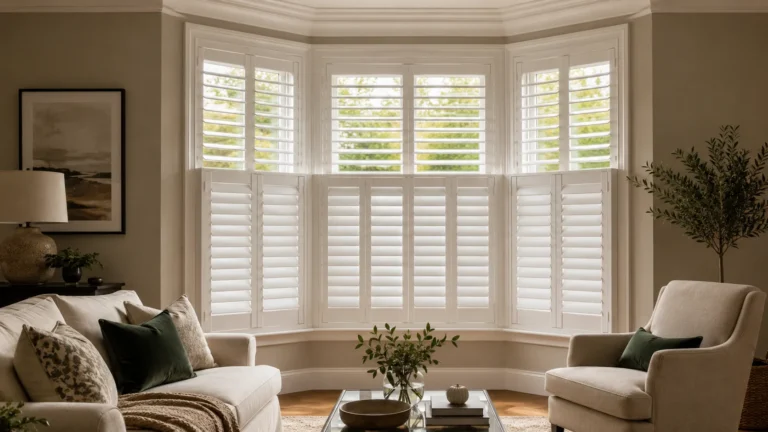
Window Shutters create a fitted architectural look around the opening, with louvres that can be tilted to manage view-through and incoming light.
Compare Window ShuttersMore Specific Needs
If the main issue is the shape of the opening, difficult access or a particular light-control need, these specialist blind routes provide a more direct starting point.
The angles between bay-window sections can cause neighbouring blinds to clash if headrails, fabrics or controls are not planned carefully around the corners.
Explore Bay Window BlindsBlackout performance should be considered as a complete installation rather than a fabric label alone, particularly where edge light is important.
View Blackout BlindsWhere the product supports it, motorisation can reduce the need to reach individual controls and provide a convenient way to operate suitable blinds.
Explore Motorised BlindsAn overhead or sloping window needs a blind designed to work against the glazing rather than hanging like a conventional upright-window treatment.
View Skylight BlindsBy moving translucent and opaque sections past one another, the blind can provide several daylight and privacy settings through the day.
Explore Day & Night BlindsWooden Blinds combine tilting horizontal slats with a distinctive natural or wood-look finish, with material choice depending on the room and selected range.
Explore Wooden BlindsBlinds for Glazed Doors
Treat the door as a moving opening rather than a fixed window. The selected blind should preserve everyday access while providing the required screening across the glass.
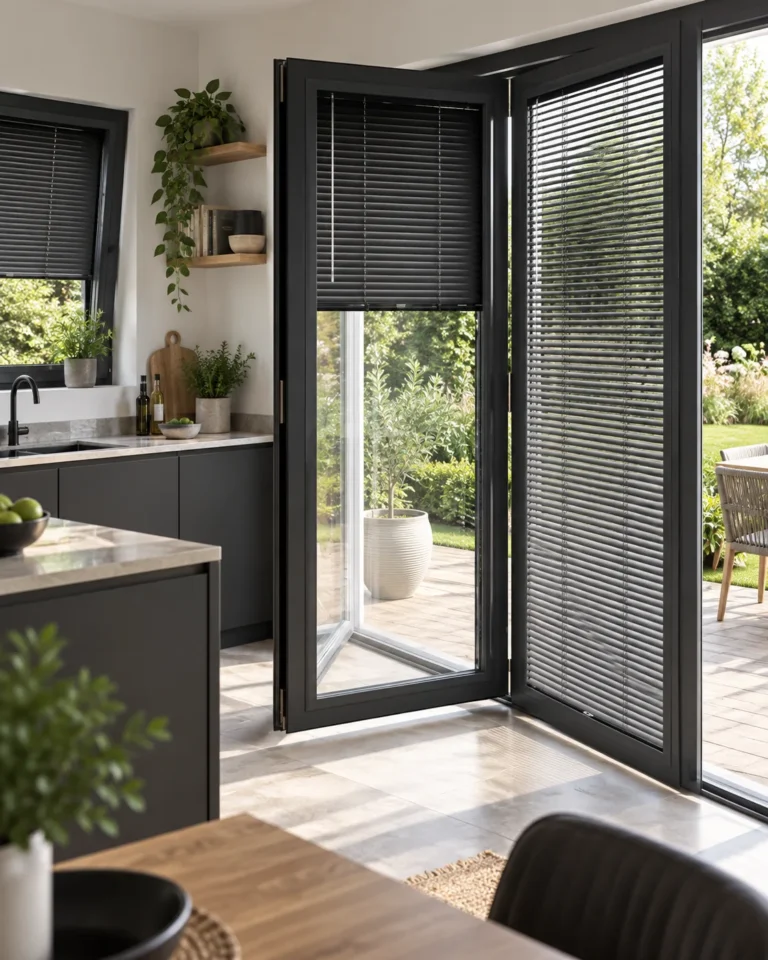
Consider how each bi-fold panel moves and stacks, because blind depth, control position and handle clearance can affect whether the doors still open comfortably.
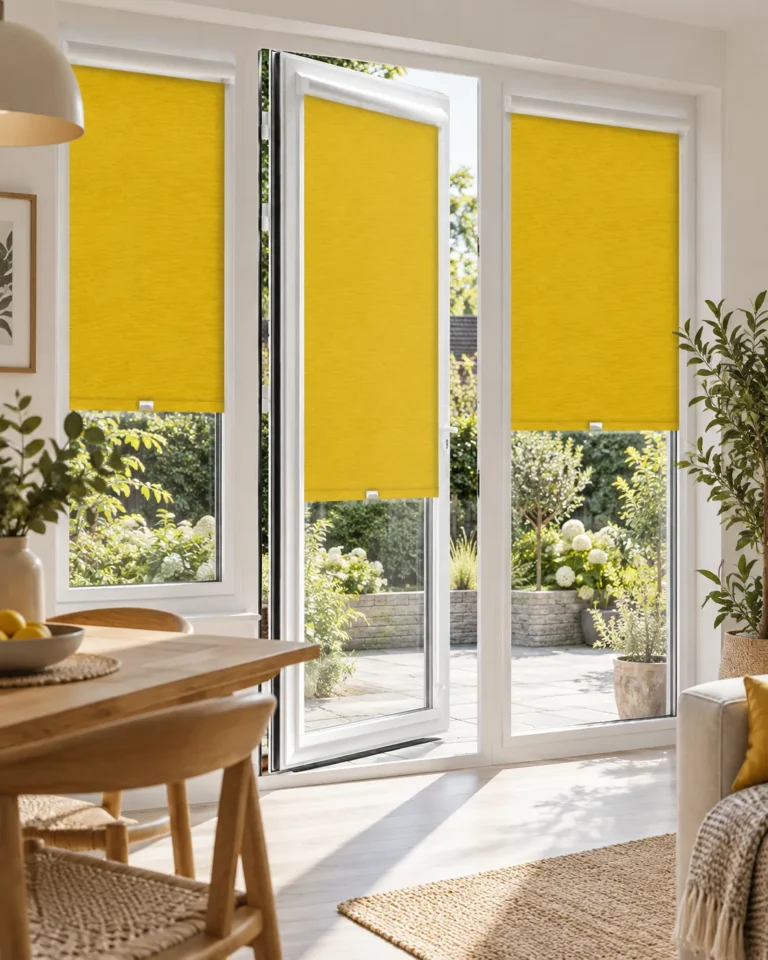
Paired French doors benefit from a solution that treats the two glazed sections separately where appropriate and keeps hardware and opening movement clear.
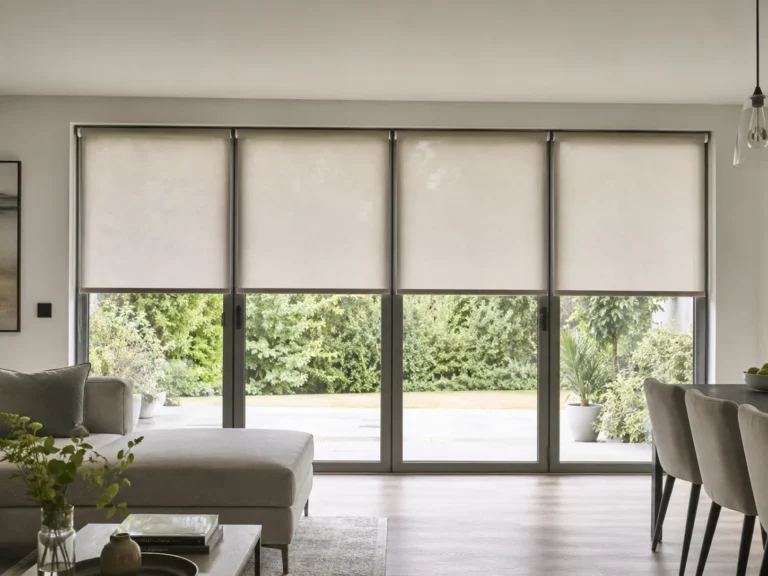
A suitable patio-door solution should manage broad glazing while still allowing the doorway to be opened and used without unnecessary obstruction.
Room-by-Room Choices
Start with what the room needs from the blind, then compare styles that can provide the right balance of privacy, light control, maintenance and appearance.
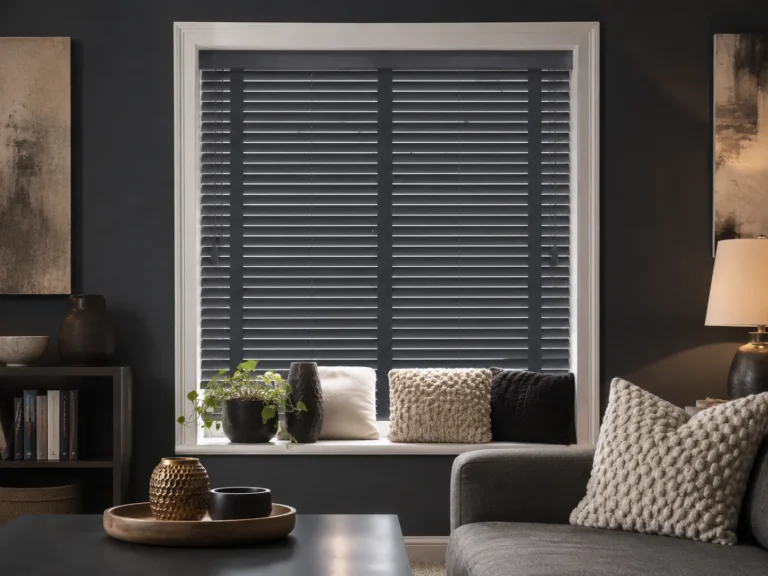
Living rooms often need a flexible balance between natural light, outward views and privacy, with appearance also playing an important part in the final choice.
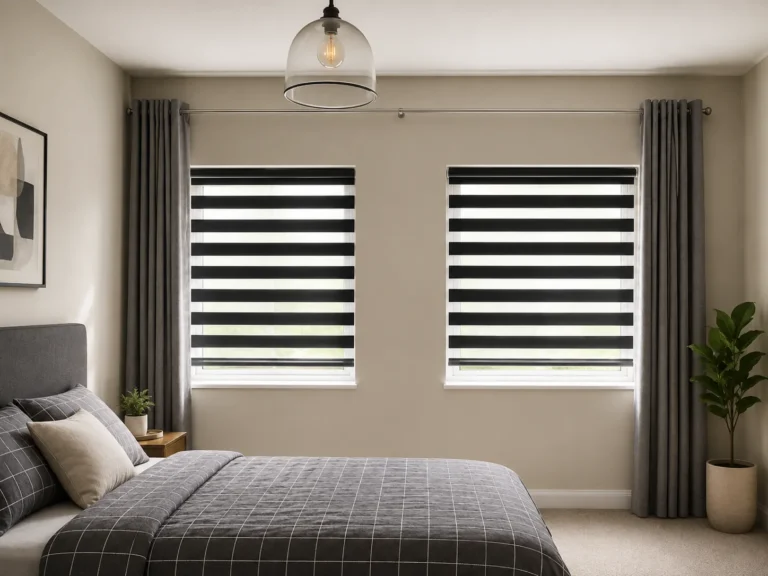
Consider how dark you want the room for sleeping and whether outside lighting or early daylight is a problem, then compare suitable fabrics and fitting approaches.
Think about moisture, cleaning and how often the window is used. A simple operating method and a material suited to the window position can be more important than a decorative finish.
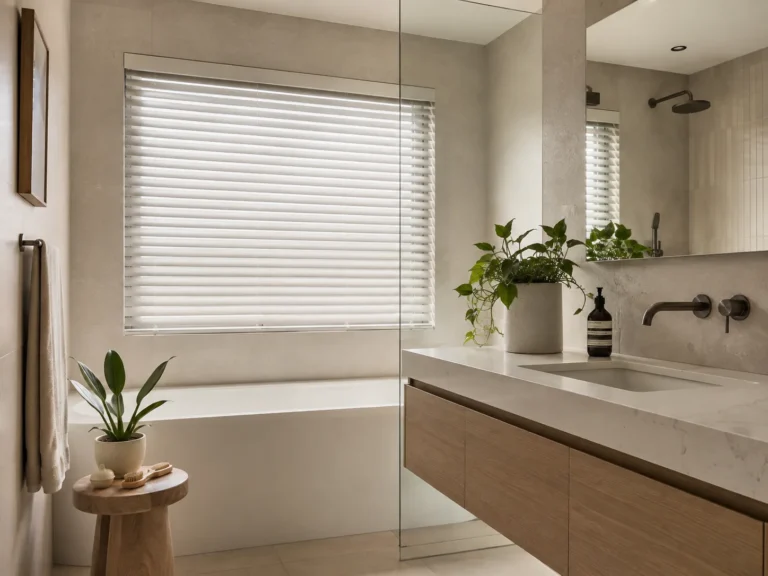
Bathroom windows often need strong privacy, but the blind should also be specified with ventilation, condensation and distance from direct water in mind.
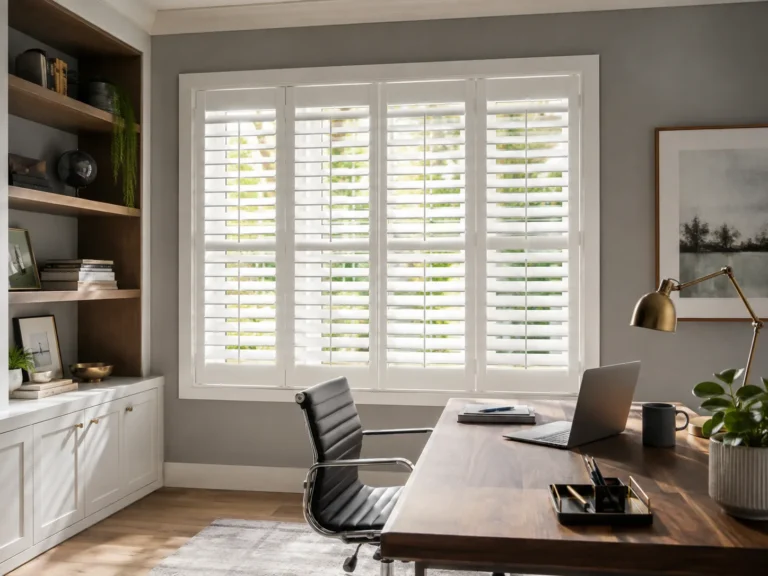
Adjustable shading can reduce distracting screen glare while retaining useful daylight, which is often more comfortable than simply making the room dark during working hours.
Practical Checks
The best choice balances appearance with fit and function. Review privacy, opening type, room conditions and operation before finalising the specification.
Privacy and light control are not the same requirement. Decide how much view-through, shading and room darkening you want before comparing styles.
Standard windows, wide glazing, bays, glazed doors and roof windows can require different fitting positions and clearances.
Consider what happens around the window during normal use, including moisture, regular cleaning, strong sunlight or the need for a darker sleeping environment.
The right control method should suit the opening and the person using it. Check reach, frequency of adjustment and whether powered operation is supported by the chosen system.
Help at Your Home
You do not need to know the exact blind type before getting in touch. Start with the opening, room and result you want, and Heavenly Blinds can help you compare suitable routes.
Explain whether the requirement involves a standard window, door, bay, roof window or other opening so the right options can be considered.
Describe what you want the blind to achieve, including any priorities around privacy, light control, cleaning or everyday convenience.
A free home appointment allows the opening to be measured and relevant fabrics, finishes and operating choices to be compared in the room where the blind will be used.
You do not need to know the exact blind type before making an enquiry. This gives you a chance to compare realistic choices before deciding whether to.
Match the Blind to the Opening
The shape, size and movement of the opening can be just as important as the blind style. These examples show why the fitting situation should be understood before the final product is chosen.
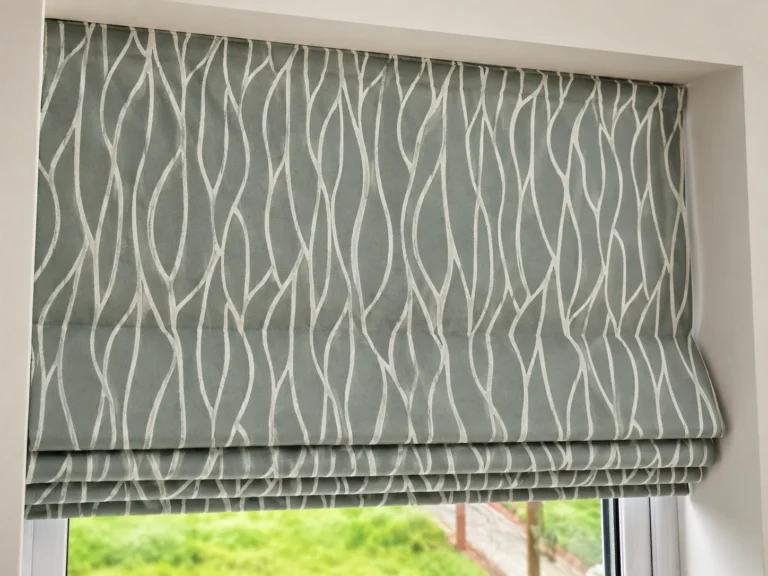
Standard windows still need the recess, handles, vents and opening movement checked before choosing between an inside-recess, outside-recess or compatible frame-mounted fit.
Compare Blind StylesA very wide opening may suit one broad blind or several coordinated sections depending on the product, access and the way the window or door is used.
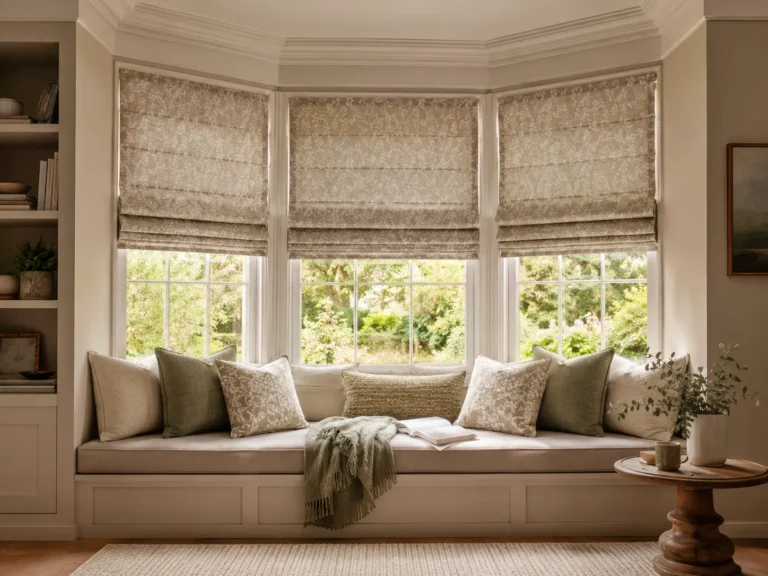
The angles between bay-window sections can cause neighbouring blinds to clash if headrails, fabrics or controls are not planned carefully around the corners.
Explore Bay Window BlindsChoose around the way the door opens and how often it is used. The blind should offer the required screening while preserving comfortable access.
Explore Door BlindsFor rooflights and skylights, compatibility with the opening is essential because the blind must work reliably at an angle and may be positioned above normal reach.
Explore Skylight BlindsLarge glazed spaces can combine several opening types and changing sunlight through the day, so different blind solutions may be appropriate across the same room.
Explore Conservatory BlindsProfessional Measuring
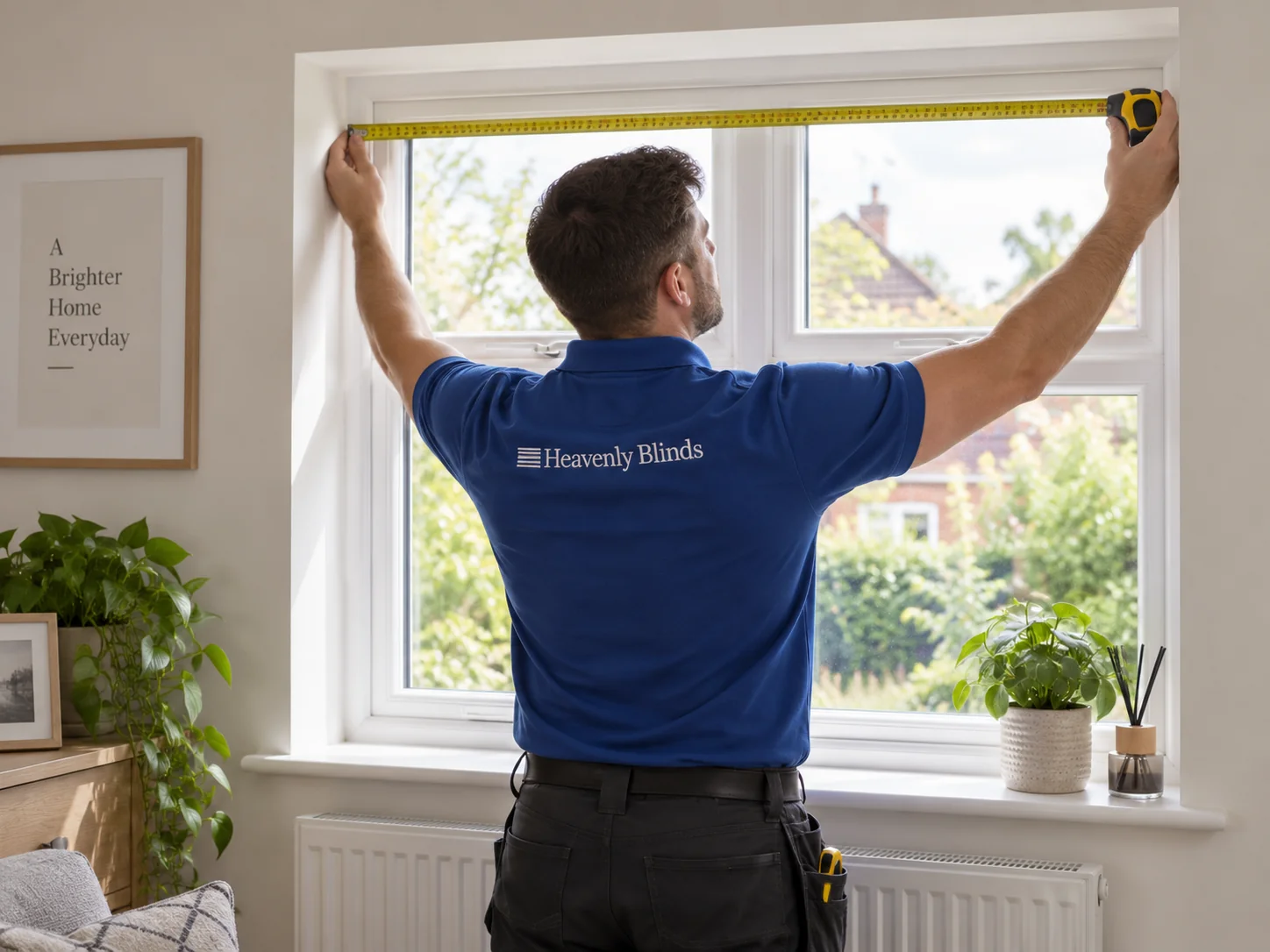
For made-to-measure blinds in Farnworth, accurate measuring involves more than recording width and drop. The usable fitting space and the way the opening operates matter too.
Recess depth can be reduced by handles, vents, tiles or trim, while inward-opening windows and frequently used doors need enough clearance for normal movement. Uneven openings may also require measurements at several points.
A Clear Route to Fitted Blinds
The service keeps the practical decisions in a clear order, from the first enquiry and free measuring through to product choice, quotation, supply and professional fitting.
Contact Heavenly Blinds and arrange a free home appointment. You do not need to know the exact blind type before making the enquiry.
Measurements are taken at the property while suitable blind styles and operating choices are compared against what you need from the room.
Once the practical choices are clear, confirm the product and specification and review a free quotation before deciding whether to proceed.
Once the blinds are ready, Heavenly Blinds supplies and professionally installs them at your property, followed by the verified 12-month guarantee.
Support From Choice to Fitting
Heavenly Blinds keeps product choice, measuring and fitting within one service route so the final specification can be based on the actual opening and the result you want to achieve.
Practical advice helps you compare styles, materials and controls according to what the room needs, rather than choosing by appearance alone.
Free measuring checks the usable fitting space as well as the overall dimensions, including details such as handles, vents and nearby trim that may affect the final fit.
Professional fitting completes the made-to-measure service, with the finished blinds installed in the planned position and checked for normal operation.
A confirmed 12-month guarantee supports the supplied and fitted product after installation and provides straightforward reassurance about aftercare.
What Customers Say
Read genuine customer feedback about the experience of dealing with Heavenly Blinds.
We had an amazing experience , everything was done in timely manner to the highest quality and standards . The interaction was very helpful and clear. professionally executed. Thank you.
Very good quality and reasonable price would recommend to anyone fantastic
Good quality work, excellent service.Thank you.
Just had some beautiful new vertical blinds fitted by Heavenly Blinds. Excellent customer service and a very good price. Would definitely recommend.
Very professional and respectful would definitely recommend to friends and family
Great service, good price, and reliable.
Came to fit as agreed and completed efficiently to an excellent standard. Would highly recommend ⭐⭐⭐⭐⭐
Had some blinds fitted the other day by these , absolutely love my new blinds. Would definitely recommend this company and will be back for more ..thank youuuu
Good experience, good quality blinds with different varieties to choose from and fitted perfectly, great communication, Happy with the service provided
super fast reliable service great guys job completed on time no delays would definitely recommend and use them again
I'm glad I chose this company. I recommend it.
Questions Before You Choose
Practical answers to common questions about choosing, measuring and fitting blinds for different windows, doors and room requirements.
Adjustable slats, louvres or layered fabrics can balance privacy with useful daylight by changing the amount of view-through rather than simply blocking the window. The best choice depends on the opening and privacy needed.
Professional measuring checks width, drop, recess depth, handles and practical clearances before the blind is specified. This helps confirm the fitting position and reduces the risk of clashes with the window, door or surrounding trim.
Handles, hinges, vents and nearby obstacles can reduce fitting space or interfere with blind movement. Measuring the opening in normal use helps confirm the safest fitting position, control location and required clearance.
Bedroom priorities often include privacy, glare control and stronger light reduction for sleep. Compare fabric performance, side gaps, operation and ventilation, remembering that blackout fabric does not automatically guarantee complete room darkness.
For kitchens, consider cleaning, moisture, heat, window access and nearby work surfaces as well as privacy and daylight. Material suitability depends on the selected blind, so the room conditions should be discussed before specification.
Bathroom blinds should provide the privacy you need while using materials suitable for the room conditions. Moisture exposure, ventilation, cleaning and the position of the window should all be considered before choosing a product.
A conservatory can have side windows, doors and roof glazing with different access and light-control needs. Using different compatible blind systems across those openings can be more practical than forcing one type everywhere.
Very wide glazing needs careful consideration of blind size, weight, stacking and control position. A single blind or several coordinated blinds may be appropriate depending on the opening, product limits and how often it is used.
Bay windows usually involve several sections meeting at angles. Each section, corner clearance, handle and control position should be measured together so neighbouring blinds can operate without clashing and the overall layout remains balanced.
Angled or overhead glazing needs a blind designed to remain controlled against the window rather than hanging vertically. Compatibility, access, light control and the operating method should be checked for the specific roof window or skylight.
Ready to Compare Your Options?
Tell Heavenly Blinds what you need from your windows or doors in Farnworth. A free home appointment can cover measuring, practical advice and the next steps towards professionally fitted made-to-measure blinds.