
Window or Opening Type
Standard windows, wide glazing, bays, glazed doors and roof windows can require different fitting positions and clearances.
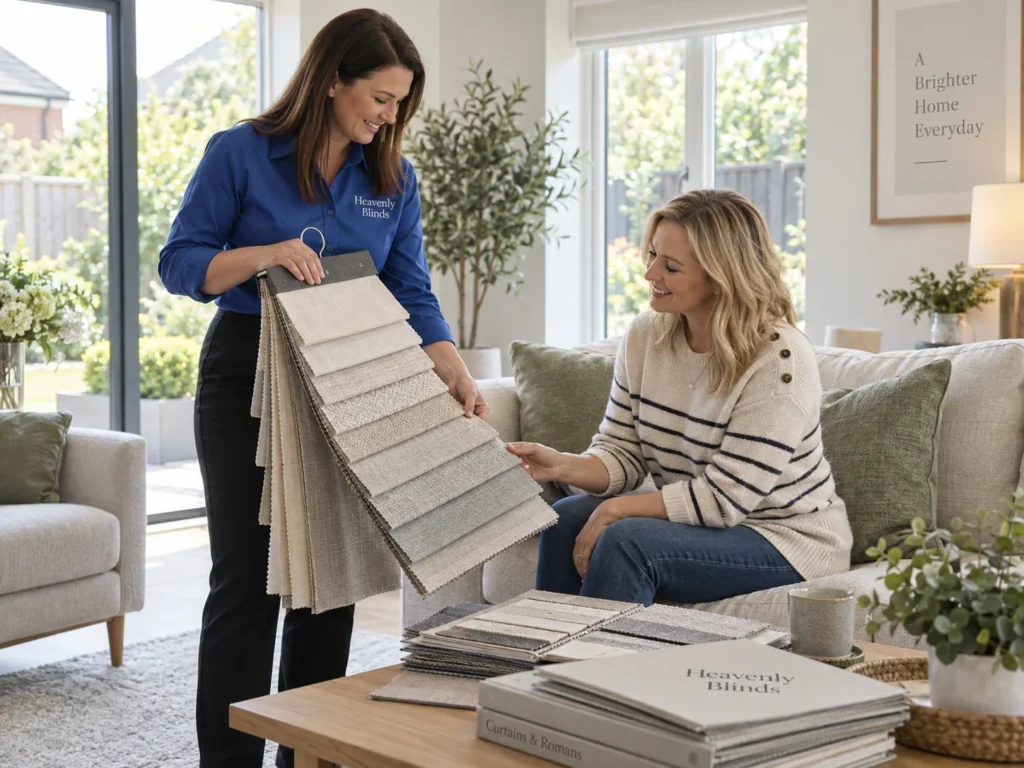
Choose made-to-measure window blinds in Openshaw with help around privacy, daylight, room use and operation. Heavenly Blinds offers home appointments.
Measured for Your Home
Made-to-measure blinds allow the specification to be built around the opening itself, so practical fit.
During a free home appointment, Heavenly Blinds can measure the relevant opening, discuss what you want from the room and help you compare suitable styles, colours, fabrics and operating options before preparing a free quotation.
Width, drop, recess depth and practical clearances are checked so the selected blind can be specified around the actual window or door.
Compare suitable blind types around privacy, daylight, appearance, room conditions and everyday operation.
Once ready, the made-to-measure blinds are professionally fitted at your property and checked for normal operation.
Start With Your Needs
Before choosing by appearance, consider how the window or door works and what the room needs from the blind. These four questions provide a useful starting point.
Standard windows, wide glazing, bays, glazed doors and roof windows can require different fitting positions and clearances.
Consider whether the priority is privacy, filtered light, glare control or stronger darkness.
Consider what happens around the window during normal use, including moisture, regular cleaning, strong sunlight or the need for a darker sleeping environment.
Access and frequency of use matter. High, large or regularly adjusted blinds may benefit from a different operating method from an easy-to-reach standard window.
Explore Your Options
Different windows and rooms need different solutions. Compare the core blind range available in Openshaw, then continue to the product route that best matches your opening, privacy and light-control requirements.
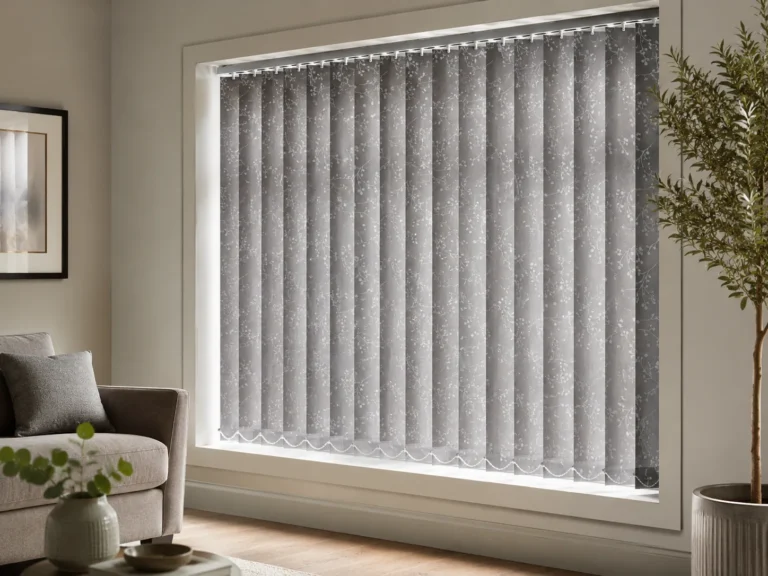
Adjustable vertical louvres make it easy to vary privacy and daylight, and the side-stacking format can be practical for wide windows and suitable glazed doors.
View Vertical Blinds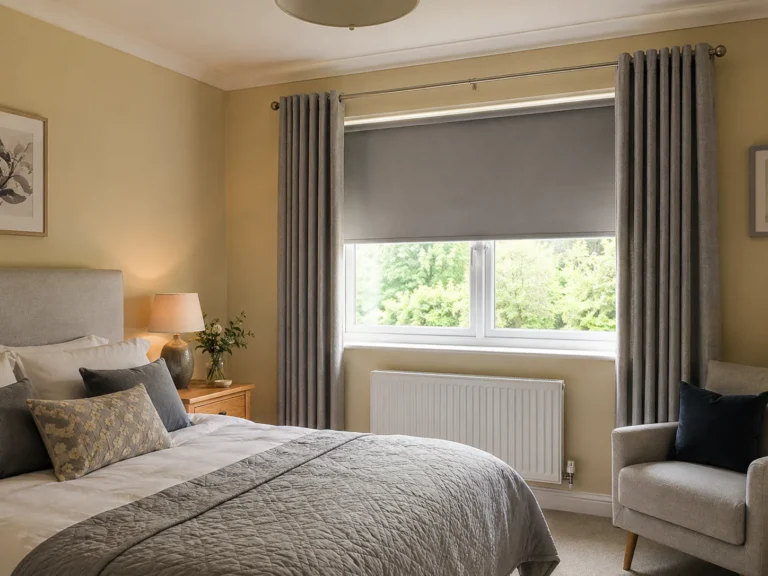
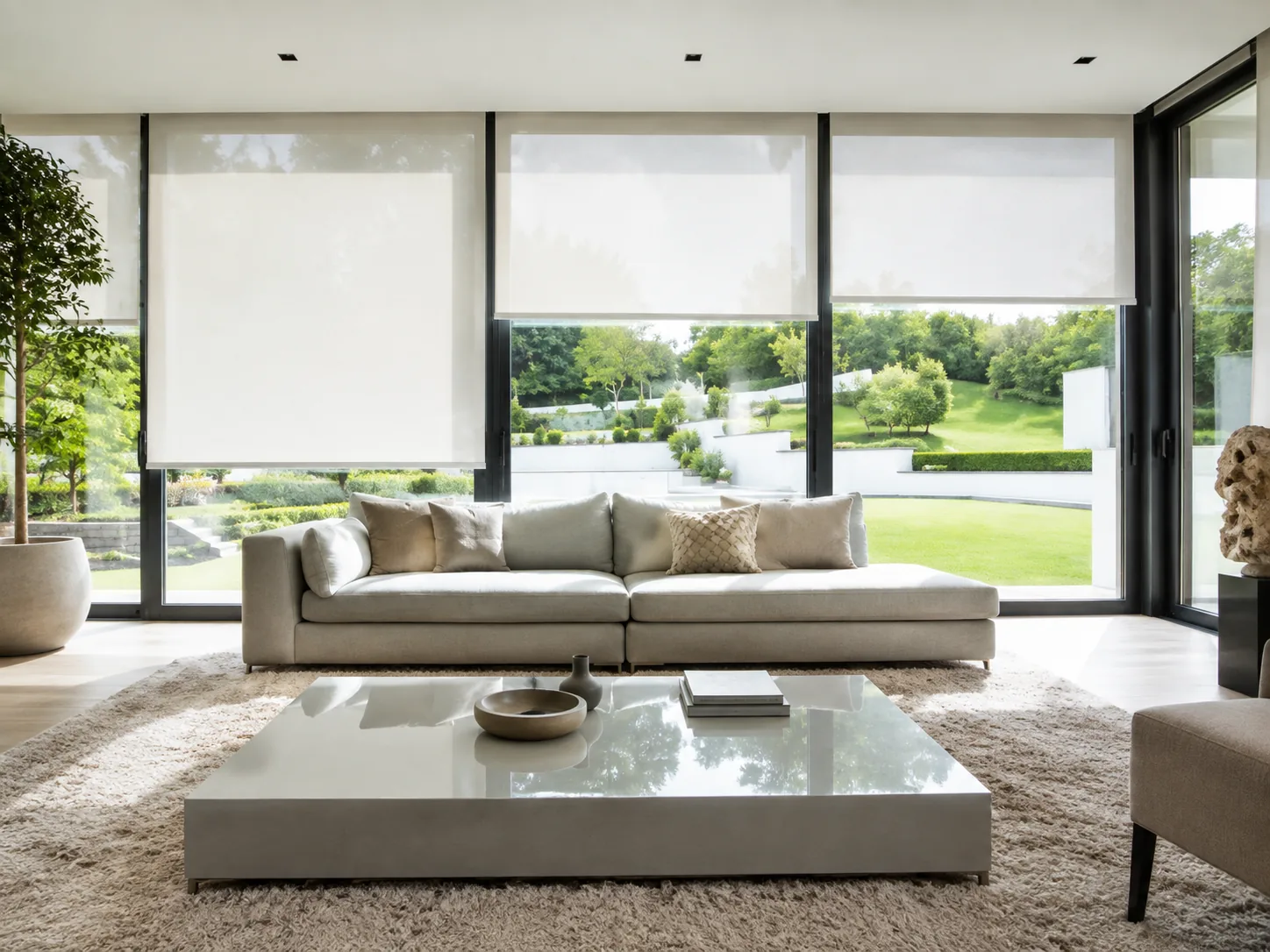
Roller Blinds use a simple fabric panel that rolls neatly away, with fabric choices available for privacy, filtered light, dimout or stronger light reduction.
View Roller Blinds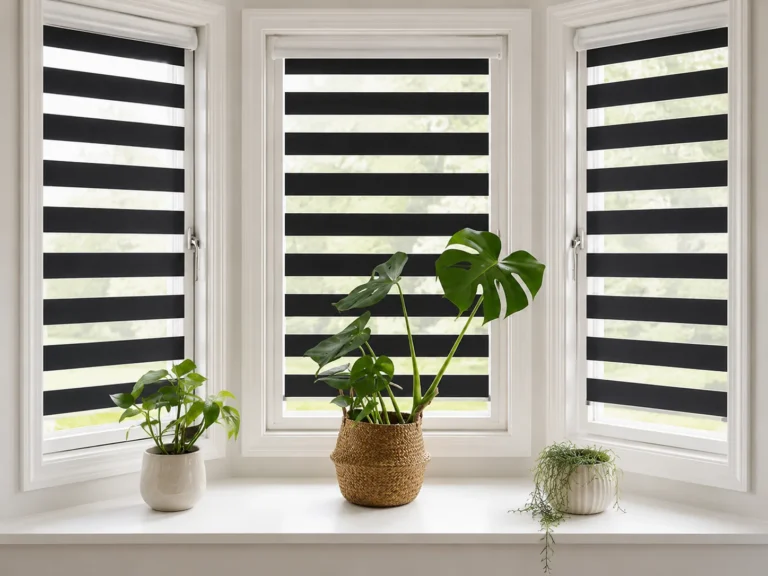
Layered fabric sections provide flexible daytime screening and view-through, making Vision Blinds useful where privacy and daylight need regular.
Explore Vision Blinds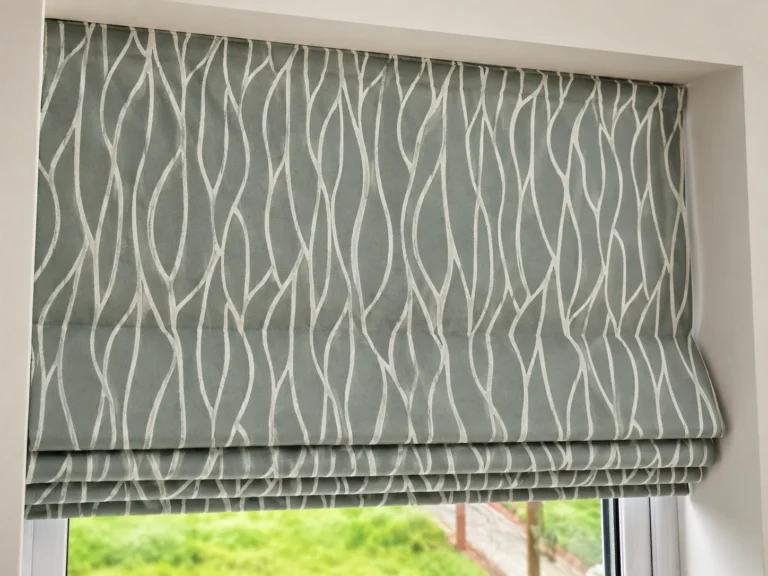
Soft fabric folds create a warmer, more furnished look, making Roman Blinds well suited to rooms where texture, colour and a decorative window finish matter.
Compare Roman Blinds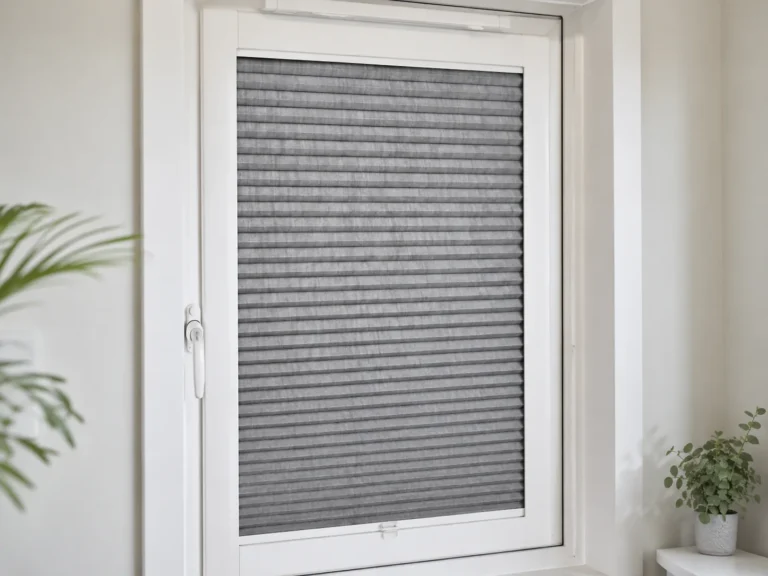
A compatible Perfect Fit frame allows the blind to travel with the opening window or door, which can be useful where handles, access or a clean finish are priorities.
Compare Perfect Fit Blinds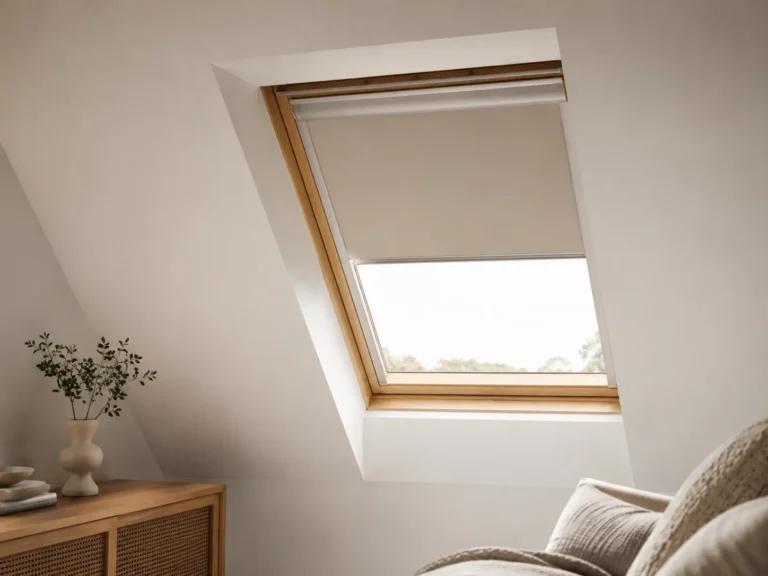
VELUX roof windows need compatible blinds designed around the window system, with different fabric and operating choices available for light filtering.
Compare VELUX Blinds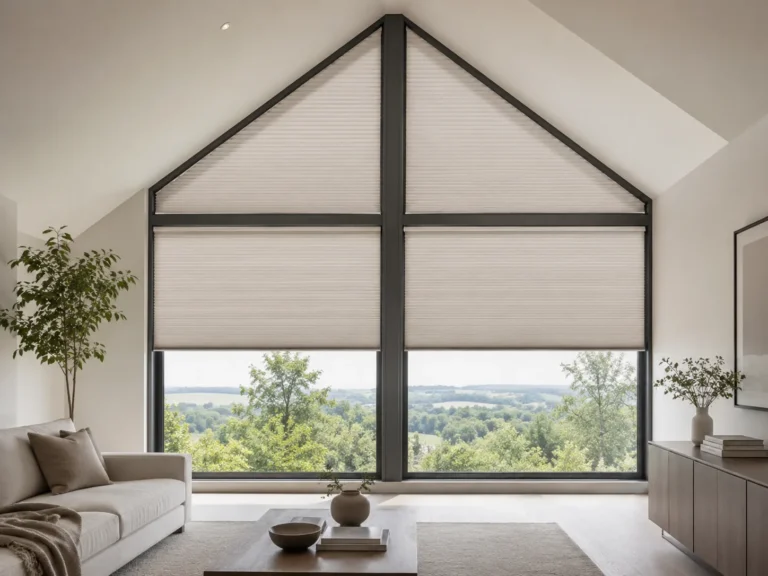
Pleated Blinds use compact folded fabric for a neat, lightweight finish and can suit many standard windows as well as selected specialist openings.
View Pleated Blinds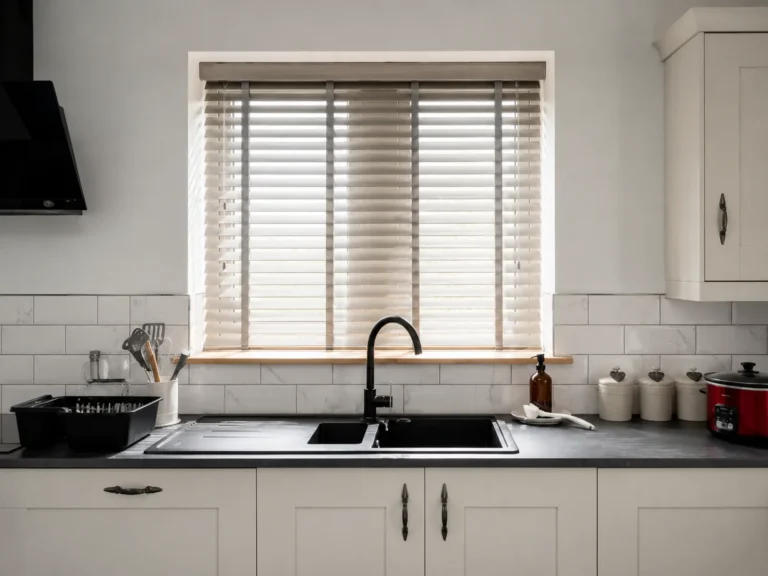
Venetian Blinds use adjustable horizontal slats, allowing the angle to be changed through the day without necessarily raising the blind completely.
Compare Venetian Blinds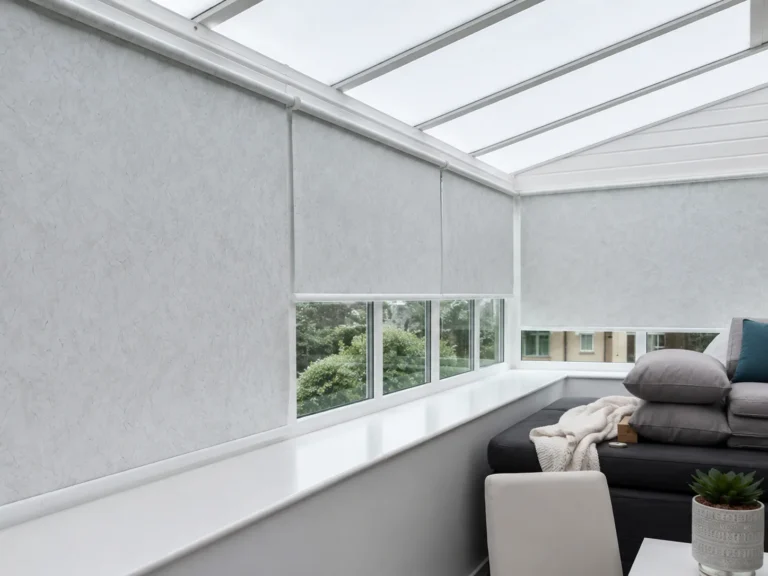
Conservatory blinds should be planned around roof glazing, side windows and doors because access, privacy and light-control needs can differ across the room.
View Conservatory Blinds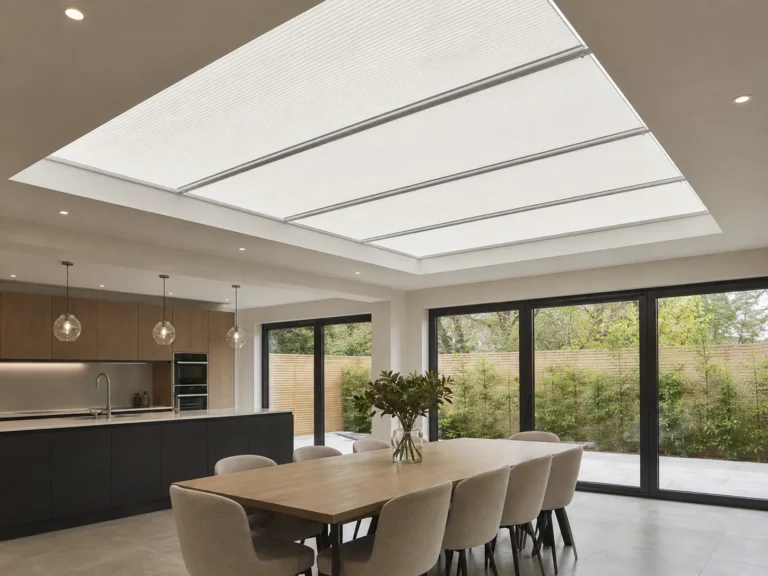
Roof lanterns need a system designed for overhead glazing. Suitable blinds can help manage bright sunlight and glare.
Compare Roof Lantern Blinds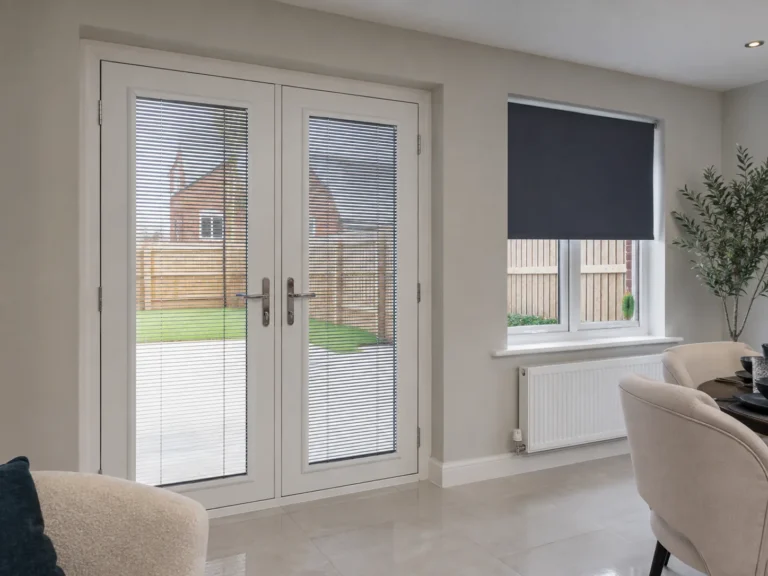
A successful door blind should provide privacy and light control without making the doorway awkward to use.
View Door Blinds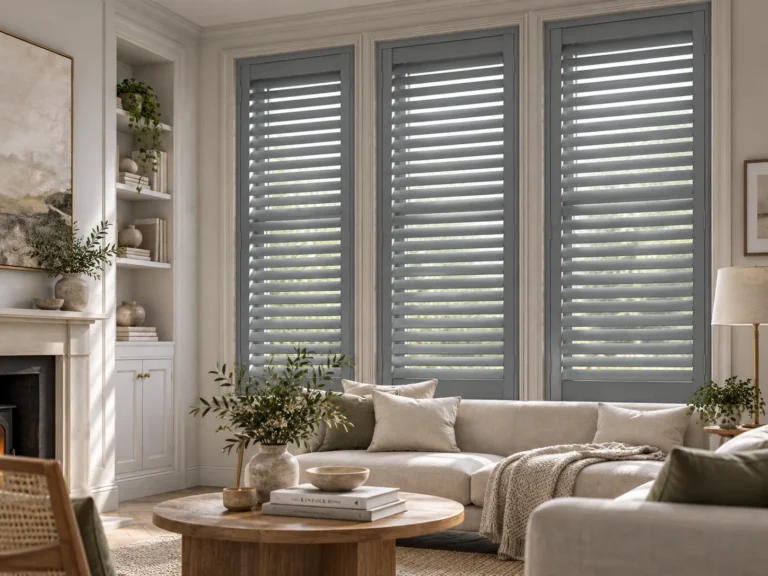
Interior shutters use framed panels and adjustable louvres to provide flexible privacy and daylight control with a distinctive, structured window finish.
View Window ShuttersSpecialist Solutions
Some requirements are easier to solve by starting with the opening, performance need or operating method rather than a general blind type. These specialist routes help narrow the options.
A bay may require separate blinds across individual panes, with measurements and fitting positions coordinated so the sections meet neatly.
Explore Bay Window BlindsA blackout fabric can substantially reduce transmitted light, but the surrounding frame, recess and installation gaps also influence how dark the room becomes.
Explore Blackout BlindsWhere the product supports it, motorisation can reduce the need to reach individual controls and provide a convenient way to operate suitable blinds.
Explore Motorised BlindsSkylight Blinds are selected around the roof-window type, angle and practical access, with dedicated systems helping keep the fabric or blind controlled on the slope.
View Skylight BlindsDay & Night Blinds use layered fabric bands to change the balance between view-through and screening as the blind is adjusted.
Explore Day & Night BlindsWooden Blinds combine tilting horizontal slats with a distinctive natural or wood-look finish, with material choice depending on the room and selected.
View Wooden BlindsPractical Door Blinds
Treat the door as a moving opening rather than a fixed window. The selected blind should preserve everyday access while providing the required screening across the glass.
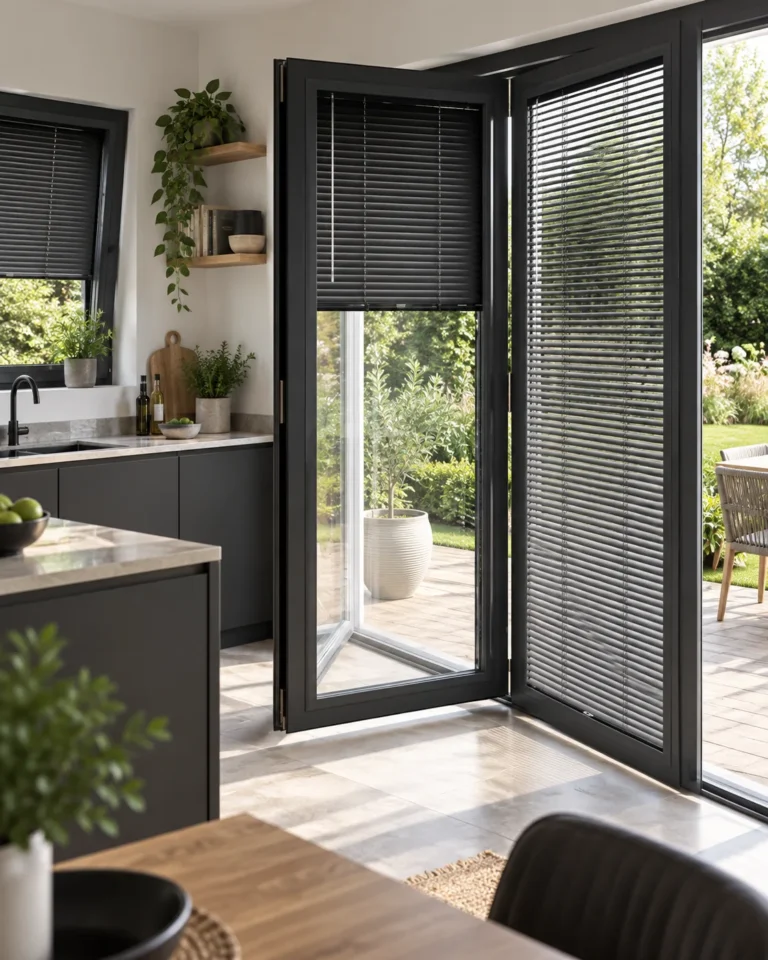
Consider how each bi-fold panel moves and stacks, because blind depth, control position and handle clearance can affect whether the doors still open comfortably.
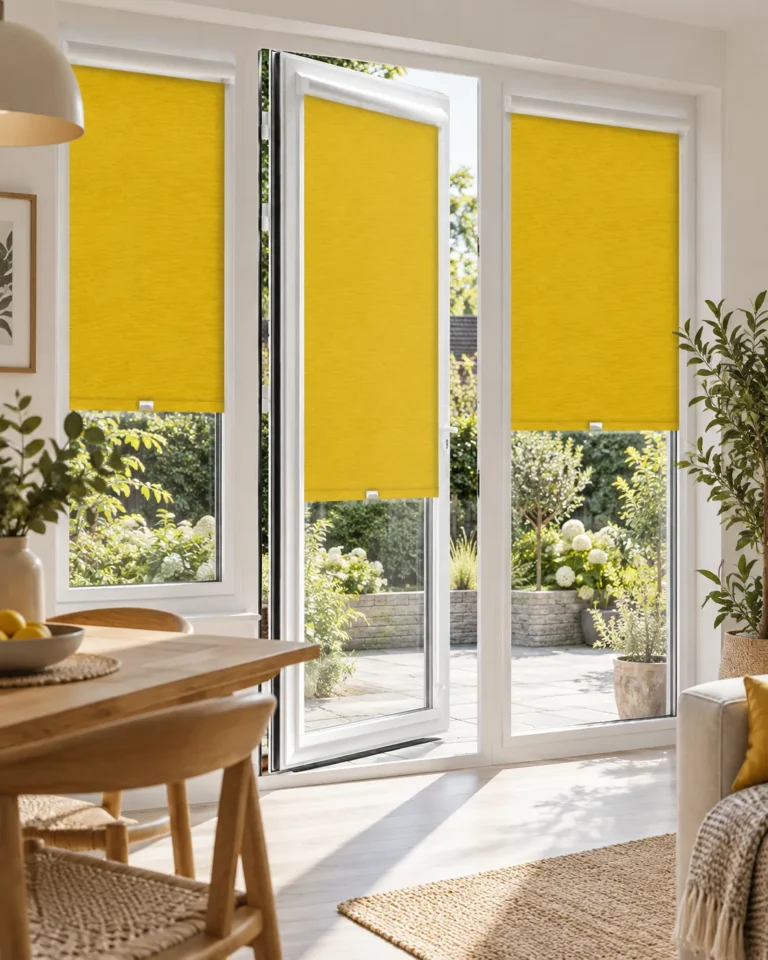
French doors need blinds planned around both door leaves, glazing, handles and locks so privacy can be improved without restricting normal opening movement.
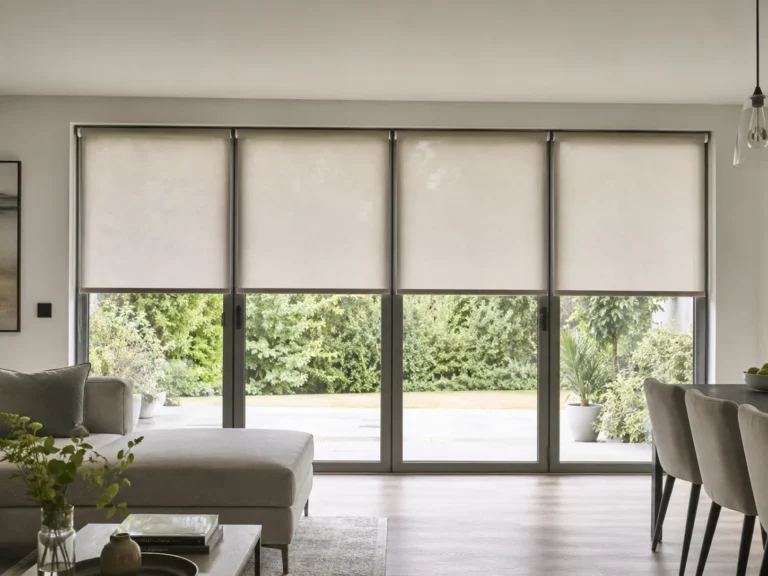
Patio doors often combine wide glazing with frequent access, so coverage, stacking position and ease of movement are important when choosing a blind system.
Match the Blind to the Room
Room conditions help define the brief. Consider sleeping, cooking, moisture, screen use and everyday privacy before deciding which blind style suits each space. Material, opacity and operation can then be matched to the room rather than chosen on appearance alone.
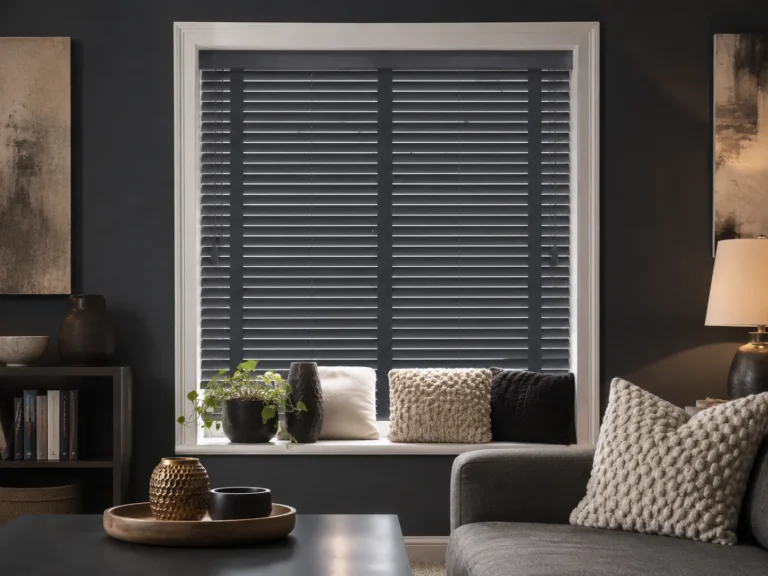
Balance comfortable daylight with evening privacy and consider how the blind will look both open and closed. Adjustable light control can be useful where the room is occupied.
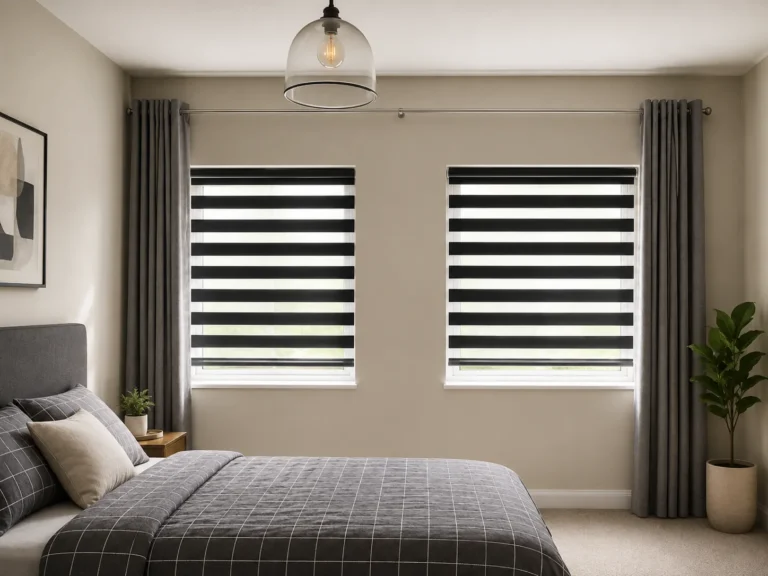
Bedrooms often benefit from reliable privacy and better light reduction, with the fabric, lining and position of the blind all contributing to the finished result.
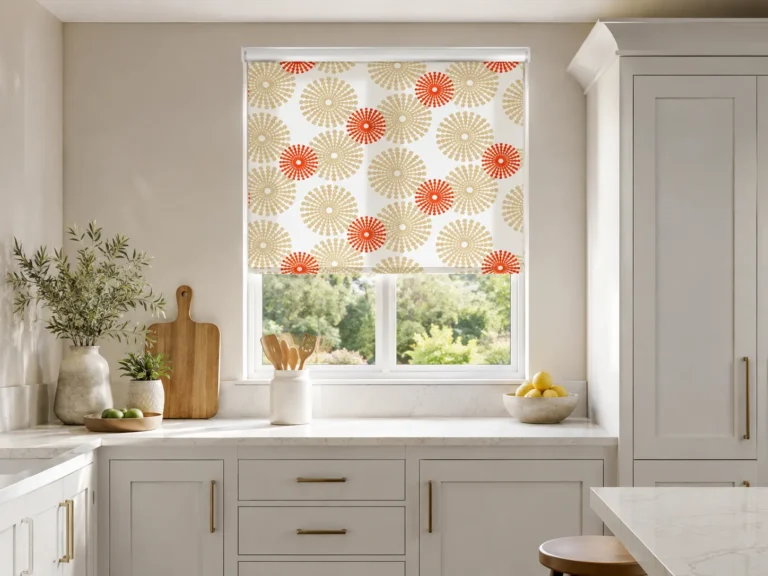
Think about moisture, cleaning and how often the window is used. A simple operating method and a material suited to the window position can be more important than a decorative.
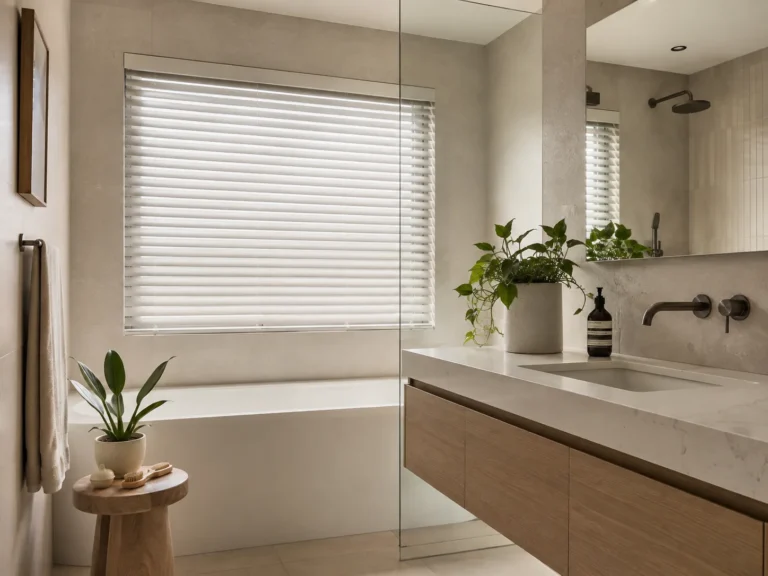
Bathroom windows often need strong privacy, but the blind should also be specified with ventilation.
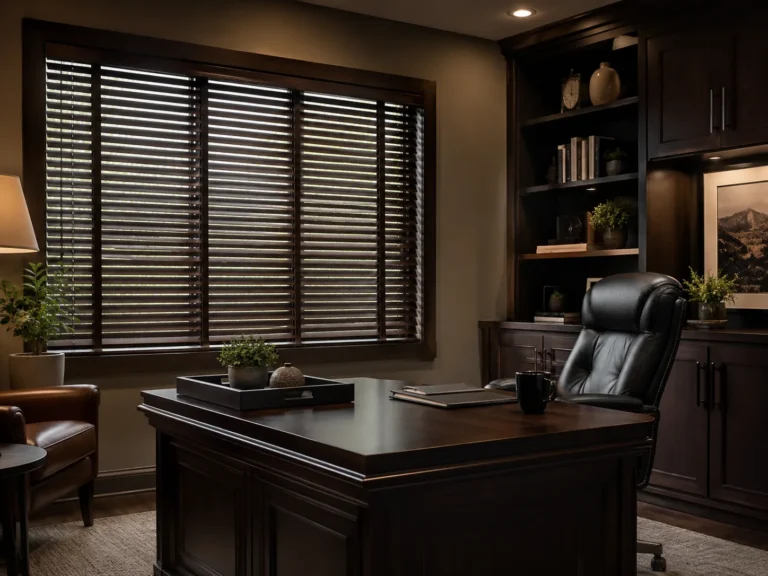
Privacy, daylight and screen comfort often need to work together in a home office, making flexible control more useful than a single fully.
Before You Decide
Shortlisting a style is only the first step. Check the way the blind will fit, control light, cope with the room and be operated in normal daily use.
01
Decide whether you need daytime screening, adjustable outward views, softer daylight, glare reduction or stronger room darkening.
02
Standard windows, wide glazing, bays, glazed doors and roof windows can require different fitting positions and clearances.
03
Bedrooms, kitchens, bathrooms, living rooms and home offices can place different demands on privacy, moisture, cleaning, glare and darkness.
04
Think about how often the blind will move, how easy the controls are to reach and whether a manual.
Free Home Appointment
Tell Heavenly Blinds which windows or doors you are considering and what matters most. The appointment can then focus on realistic options for the actual opening.
Heavenly Blinds can visit your home in Openshaw, measure the window or door and help narrow the choices around privacy, daylight and everyday use before preparing a quotation for the agreed specification.
Use the free home appointment to explain what you need, compare suitable options and review the actual window, door or room before choosing.
Measuring and practical product advice are handled together so fit and everyday use can be considered before the final specification is chosen.
Once the preferred blind and specification are clear, Heavenly Blinds can provide a free quotation before you decide whether to proceed.
Share the opening and your main requirements so suitable options can be discussed. The appointment can then focus on the options that genuinely suit the opening and the.
Windows, Doors & Specialist Glazing
Different openings create different fitting challenges. Compare how standard windows, wide glazing, bays, doors and roof windows can change the most practical blind approach.
For standard glazing, the main decision is usually how the blind should sit around the recess while keeping handles, vents and normal window movement clear.
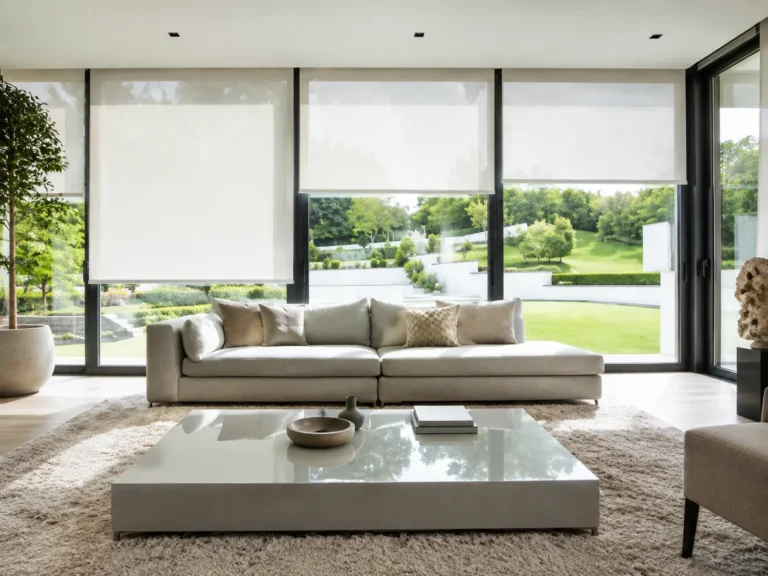
A very wide opening may suit one broad blind or several coordinated sections depending on the product, access and the way the window or door is used.
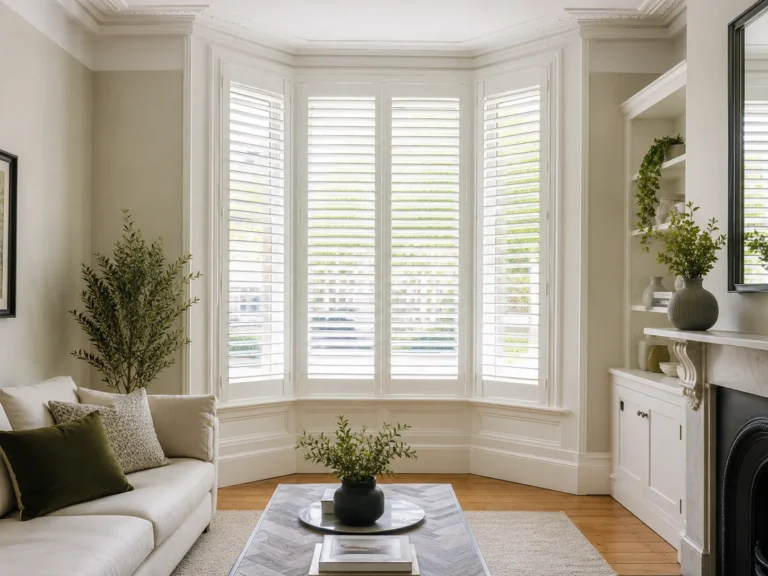
Bay windows need coordinated measurements, corner clearances and handle checks so each blind can operate without clashing with neighbouring sections.
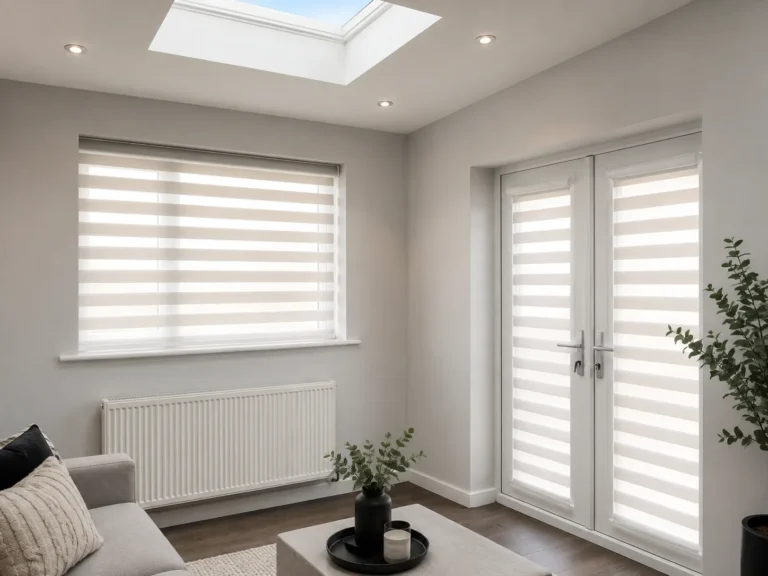
Glazed-door blinds should allow for handles, hinges and everyday access so the selected covering does not interfere with normal door movement.
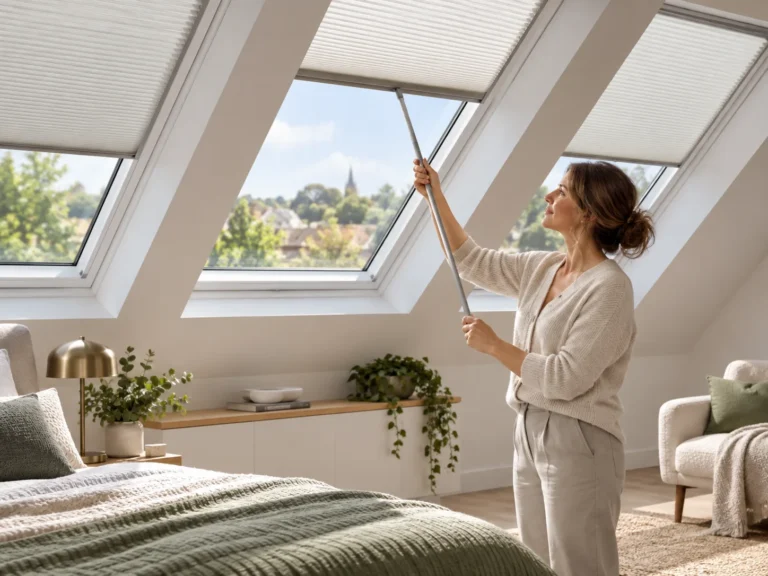
For rooflights and skylights, compatibility with the opening is essential because the blind must work reliably at an angle and may be positioned above normal.
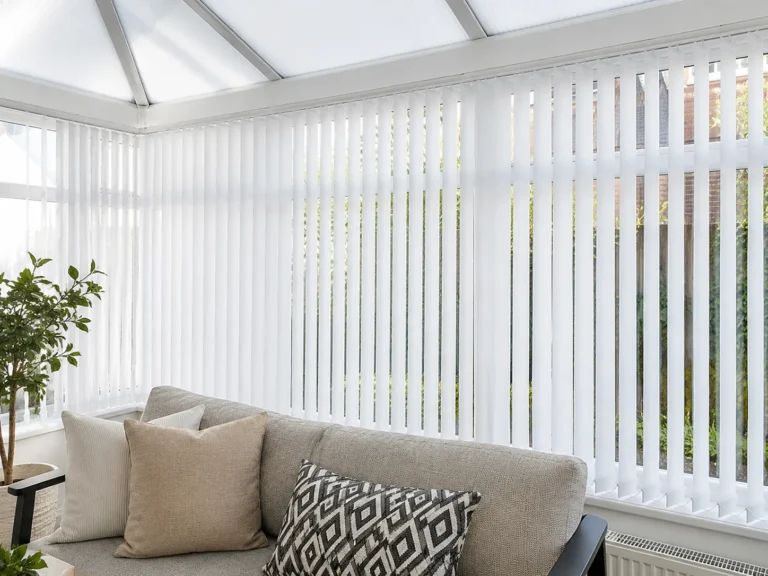
Large glazed areas can have different privacy, glare and access needs across one room, so individual openings should be assessed before choosing the final layout.
Before the Blind Is Ordered
Professional measuring checks dimensions, recess depth, handles and practical clearances so the chosen blind can be specified around the real opening and its normal movement.
A made-to-measure blind has to fit the usable space, not just the nominal window size. Measuring therefore considers recess depth, frame details, projecting hardware and the proposed fixing position.
Arrange a Free Home Appointment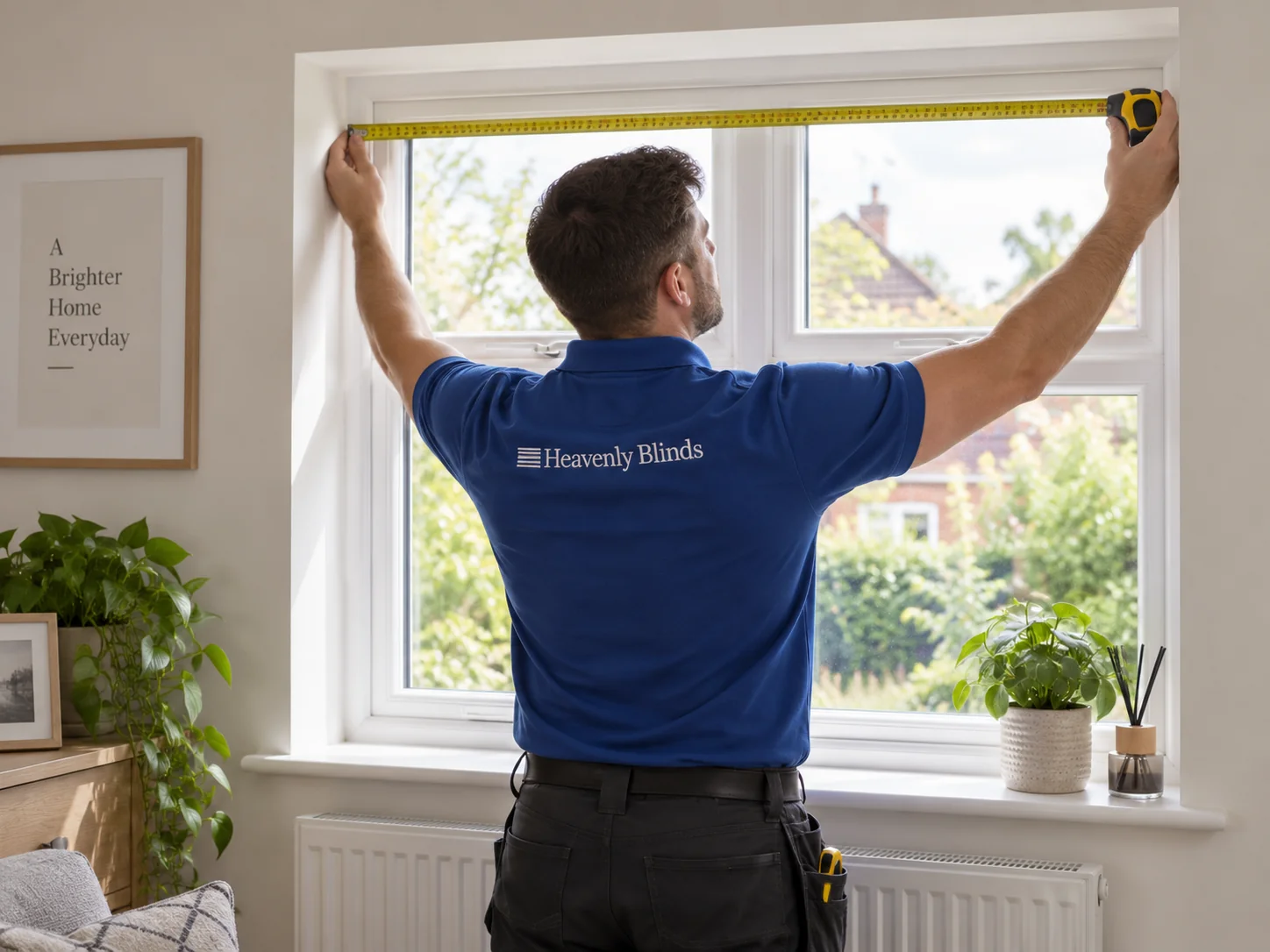
A Clear Route to Fitted Blinds
Each stage builds on the last: discuss the requirement, measure the opening, agree the made-to-measure specification, review the quotation and complete professional fitting.
Tell Heavenly Blinds what you are considering and book a free appointment so the opening and your requirements can be reviewed at the property.
The relevant openings are measured and practical options are discussed around privacy, daylight, fit.
Select the preferred blind, fabric or finish and operating approach, then receive a free quotation based on the agreed made-to-measure specification.
Your made-to-measure blinds are supplied and professionally fitted, with the completed work supported by Heavenly Blinds’ confirmed 12-month guarantee.
Why Heavenly Blinds
From comparing suitable styles to accurate measuring and professional installation, the service focuses on practical fit and everyday use rather than standard-size assumptions.
Practical advice helps you compare styles, materials and controls according to what the room needs, rather than choosing by appearance alone.
The width, drop, recess depth and relevant clearances are checked at your property so the proposed blind can be specified around the real opening.
When the blinds are ready, they are professionally fitted at the property so the agreed solution is.
A confirmed 12-month guarantee supports the supplied and fitted product after installation and provides straightforward.
What Customers Say
Read customer feedback about Heavenly Blinds, with reviews presented from the approved dynamic Google Reviews source rather than being rewritten for the local landing page.
We had an amazing experience , everything was done in timely manner to the highest quality and standards . The interaction was very helpful and clear. professionally executed. Thank you.
Very good quality and reasonable price would recommend to anyone fantastic
Good quality work, excellent service.Thank you.
Just had some beautiful new vertical blinds fitted by Heavenly Blinds. Excellent customer service and a very good price. Would definitely recommend.
Very professional and respectful would definitely recommend to friends and family
Great service, good price, and reliable.
Came to fit as agreed and completed efficiently to an excellent standard. Would highly recommend ⭐⭐⭐⭐⭐
Had some blinds fitted the other day by these , absolutely love my new blinds. Would definitely recommend this company and will be back for more ..thank youuuu
Good experience, good quality blinds with different varieties to choose from and fitted perfectly, great communication, Happy with the service provided
super fast reliable service great guys job completed on time no delays would definitely recommend and use them again
I'm glad I chose this company. I recommend it.
Blinds FAQs
Use these answers as a starting point when comparing privacy, operation, measuring and suitability across common window, door and room situations.
Adjustable slats, louvres or layered fabrics can balance privacy with useful daylight by changing the amount of view-through rather than simply blocking the window. The best choice depends on the opening and privacy needed.
Professional measuring checks width, drop, recess depth, handles and practical clearances before the blind is specified. This helps confirm the fitting position and reduces the risk of clashes with the window, door or surrounding trim.
Handles, hinges, vents and nearby obstacles can reduce fitting space or interfere with blind movement. Measuring the opening in normal use helps confirm the safest fitting position, control location and required clearance.
Very wide glazing needs careful consideration of blind size, weight, stacking and control position. A single blind or several coordinated blinds may be appropriate depending on the opening, product limits and how often it is used.
Bay windows usually involve several sections meeting at angles. Each section, corner clearance, handle and control position should be measured together so neighbouring blinds can operate without clashing and the overall layout remains balanced.
Angled or overhead glazing needs a blind designed to remain controlled against the window rather than hanging vertically. Compatibility, access, light control and the operating method should be checked for the specific roof window or skylight.
Perfect Fit and other frame-mounted systems are not universally compatible. Frame depth, glazing beads, handles and opening movement must be checked before confirming that a particular window or glazed door can accept the system.
Motorisation is worth considering for large, high, hard-to-reach or frequently adjusted blinds. Availability depends on the chosen system, blind size and power option, so compatibility should be confirmed before ordering.
Blackout fabric greatly reduces light passing through the material, but small gaps around the blind can still admit light. The final darkness level depends on the blind, fitting position and the shape of the opening.
Roller Blinds use a flat fabric that rolls around a tube for a compact, simple finish. Roman Blinds raise into soft folds and give a more furnished appearance. Fabric, lining and room use also affect the choice.
Plan Your Home Appointment
Whether you already know the blind style you want or need help comparing options, arrange a home appointment in Openshaw for free measuring, advice and a quotation.